
We provide Liveaboard trips in the within Indonesia. With trips to Komodo National Park, Raja Ampat & Banda Sea aboard our beautiful KLM Eliya. Come explore the beauty of some of Indonesia's best dive locations!
Looking for tips and tricks about diving, marine life or what to do in Indonesia? Follow us on our blog for weekly updates from the team!
Why Every Liveaboard Experience Feels Different

Diving with Scuba Junkie l KLM Eliya l Liveaboard experience l Uncategorized August 20, 2026
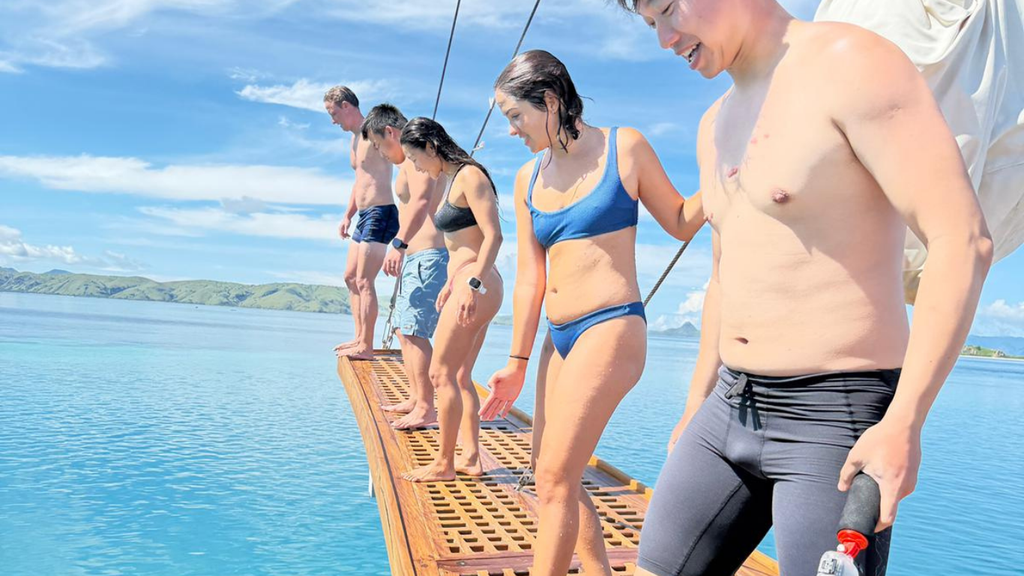
Table of Contents
Every liveaboard experience begins with a plan, but the ocean decides how that plan unfolds. You can return to the same destination, step aboard the same boat and even revisit a favourite dive site, yet the trip will never be an exact copy of the one before.
That is especially true in places such as Komodo, Raja Ampat and the Banda Sea. These destinations may be marked on a map, but they are never static. Currents shift, marine life moves, light changes across the reef and each group brings a different energy onboard. Even you arrive as a different diver, carrying everything you learned on the trips that came before.
Returning is not repeating. It is giving a place the chance to show you another side of itself.
The ocean shapes every liveaboard experience
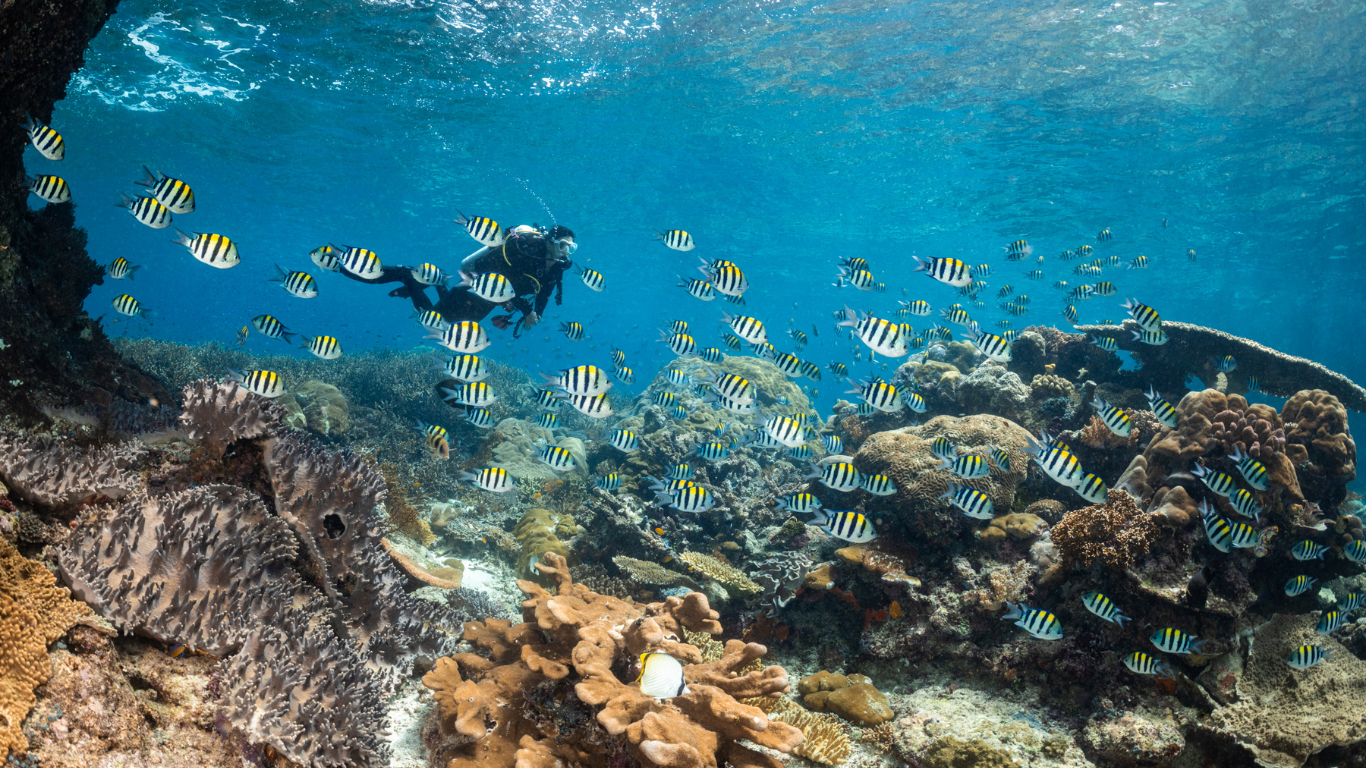
The ocean does not follow a fixed script. Conditions that created a gentle dive one week may bring stronger current the next. A reef covered in schooling fish during one visit may reveal its smaller residents on another. Visibility, water temperature, tides and sunlight all influence what a dive looks and feels like.
This natural variation is part of every liveaboard experience. Divers often remember a site by name, but the name only tells us where the dive begins. It cannot tell us where the fish will gather, whether a manta will pass overhead or which corner of the reef will hold everyone’s attention that day.
Wildlife sightings can never be guaranteed, and that honesty matters. Marine animals move freely. A return trip may bring the encounter you hoped for, but it may also introduce you to something you had never thought to look for. The uncertainty is not a flaw. It is what keeps the ocean wild.
A flexible itinerary creates a better liveaboard experience
A liveaboard itinerary is a carefully considered plan, not a rigid checklist. In Komodo, the dive team looks at currents, tides, weather, diver experience and guest requests before deciding where and when the group should enter the water.
That flexibility is not a lack of planning. It is better planning.
It allows the crew to choose the most suitable dives for the conditions in front of them instead of forcing every departure through exactly the same route. One trip may find its strongest moments in northern Komodo, while another spends more time in central or southern areas. Two departures may visit some of the same sites, but a different order and timing can transform the whole liveaboard experience.
The same principle applies beyond Komodo. Raja Ampat and the Banda Sea have their own seasons, weather patterns and possibilities. On every route, the goal is not to reproduce a previous week. It is to make thoughtful decisions for the week taking place now.
A familiar dive site can feel completely new
Returning divers sometimes wonder whether revisiting a destination means seeing the same reefs again. It may include a favourite site, but the dive itself will not stand still.
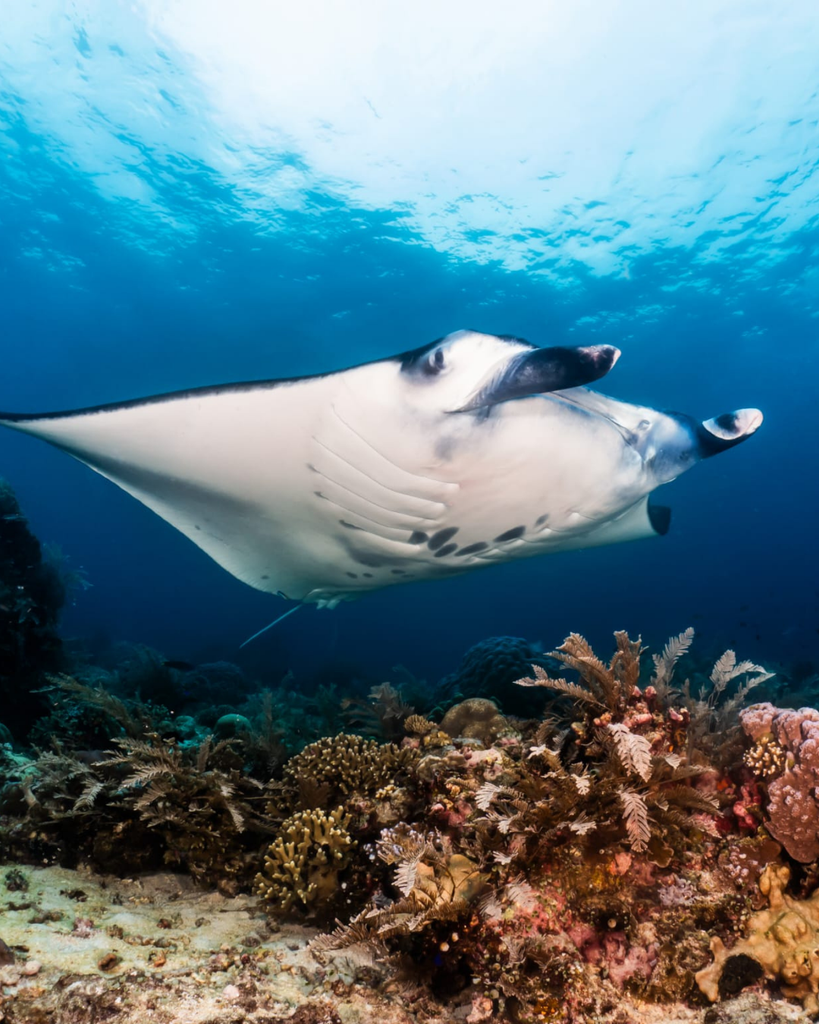
A change in current can alter the route across the reef and the behaviour of the marine life. Fish may gather in another area. Sharks may patrol closer to the action. A manta cleaning station may be busy, quiet or full of surprises. The coral may be familiar, but the movement around it creates a new scene.
Your attention changes as well. On a first Komodo liveaboard experience, you may be absorbed by the scale of the reef, the current and the larger animals. On a later trip, you may have enough calm and confidence to notice a camouflaged frogfish, a tiny nudibranch or the behaviour of a single fish defending its territory.
Returning does not always mean finding a completely different place. Sometimes it means finally seeing what was there all along.
The people change the liveaboard experience
The ocean may lead the trip, but the people onboard give it a personality.
Every group develops its own rhythm. Some guests are waiting on the dive deck before the briefing begins. Others become devoted to the post-dive snack routine. Some evenings stretch into long conversations under the stars, while others become quiet early because everyone has happily run out of energy.
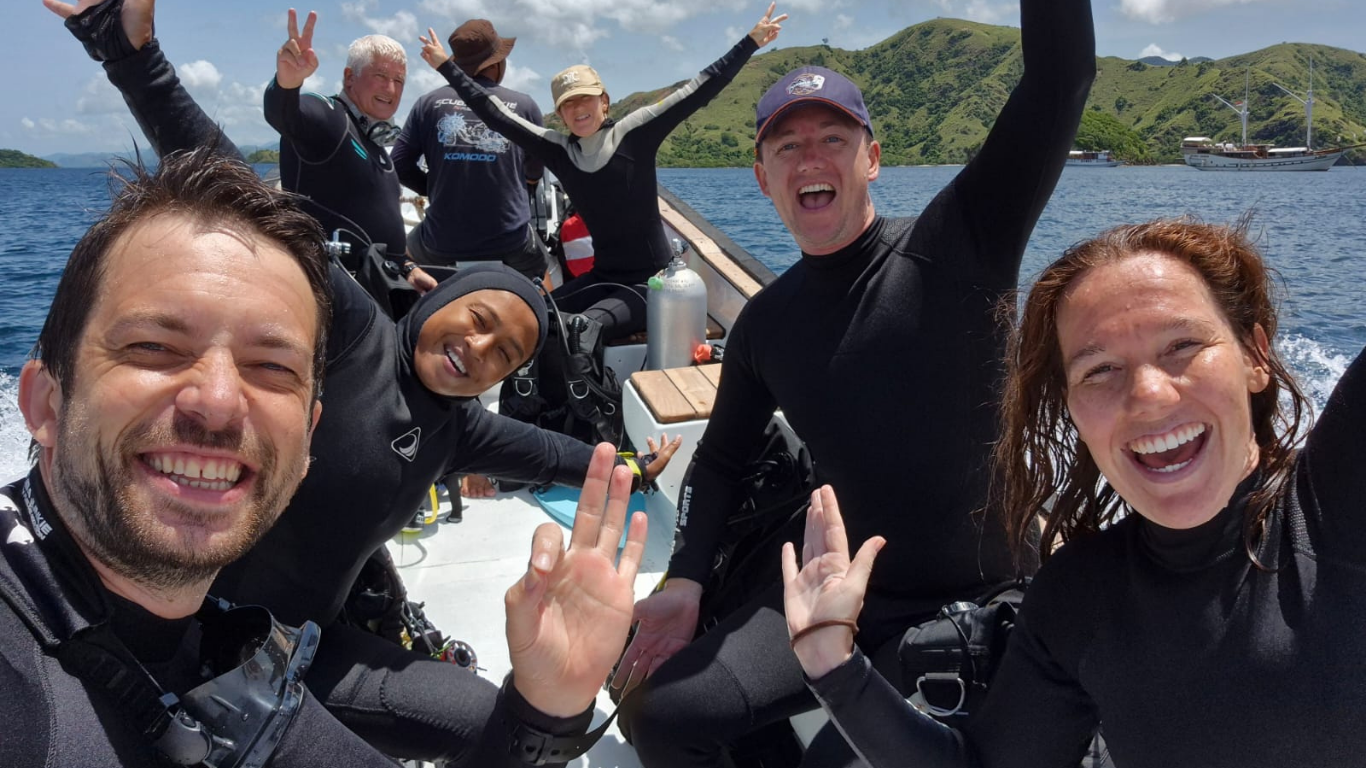
Over several days, strangers share dive stories, compare photographs, help one another with equipment and laugh about moments that make sense only to the people who were there. A new mix of guests changes the mood at the table, on deck and in the water. That chemistry becomes part of the liveaboard experience, and it cannot be recreated on demand.
The dive team also considers the experience and comfort of the guests when planning groups. Divers are not simply placed together as one large unit. Thoughtful grouping supports safer, more enjoyable dives and gives each person more space to settle into the trip.
You bring a different diver to every trip
Even if the ocean somehow stayed exactly the same, you would not.
Perhaps your buoyancy has improved. You may feel more relaxed in current, use your air more efficiently or have started taking underwater photographs. A site that once required all your concentration may feel more comfortable the next time, leaving you free to notice the wider reef and the smaller details within it.
This is one of the quiet rewards of a second liveaboard experience. You are not only discovering how the destination has changed. You are discovering how you have changed inside it.
For anyone who felt slightly overwhelmed on a first visit to Komodo, returning can be particularly rewarding. The daily rhythm feels familiar, the equipment routine is easier and there is less energy spent anticipating every unknown. Familiarity does not remove the excitement. It creates more room to enjoy it.
Life aboard Scuba Junkie KLM Eliya becomes part of the story
Not every important moment happens underwater. The hours between dives shape the memories too.
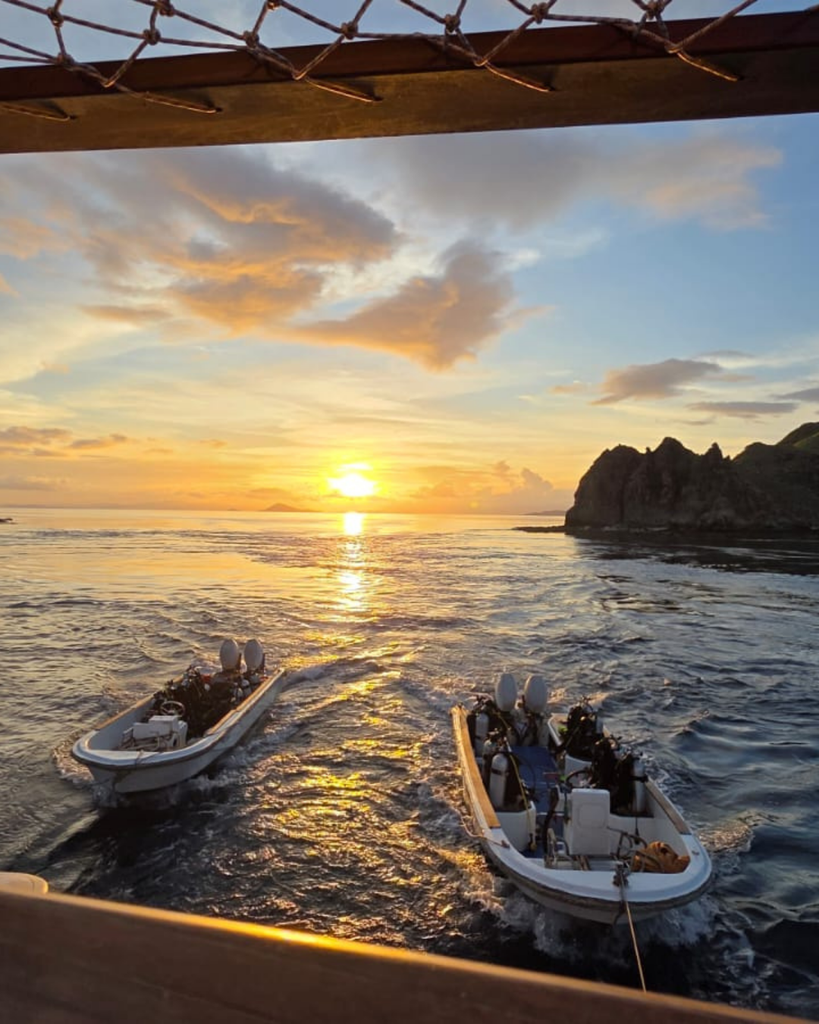
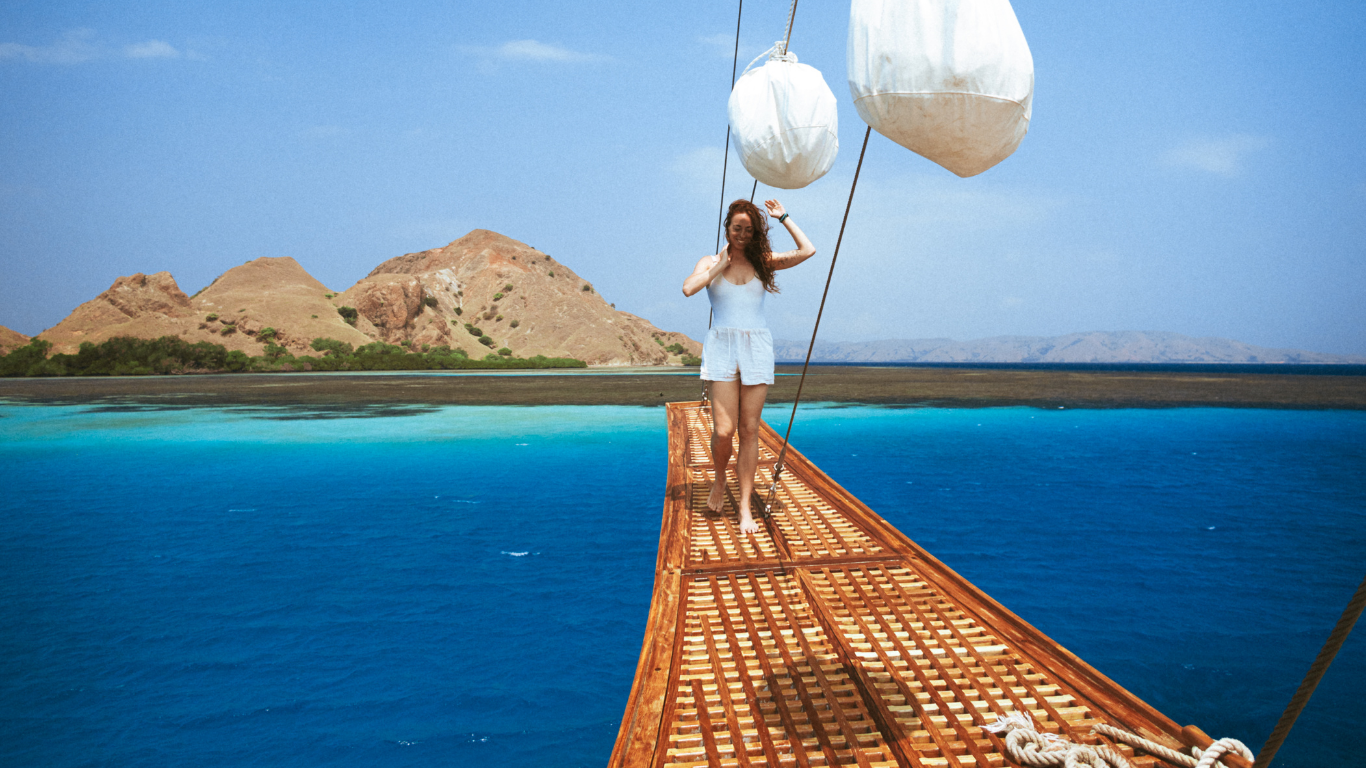
A liveaboard experience aboard Scuba Junkie KLM Eliya might begin with early coffee on deck as the islands slowly come into view. Later, meals turn into conversations, surface intervals are spent looking through photographs and the day closes with a sunset from a new anchorage. There is also the simple comfort of returning from a dive to find the next tank being prepared and something good waiting to eat.
On another departure, the view may be recognisable, but the weather, conversations, shared jokes and small routines will be new. These moments are difficult to plan and impossible to reproduce exactly. They are often the reason a trip stays vivid long after the individual dives begin to blend together.
The boat provides a familiar home at sea, but what happens within that space belongs to one particular group and one particular week.
Why a second liveaboard experience is not a repeat
Coming back does not mean trying to recreate the first trip. It means arriving with curiosity about what will be different.
You might revisit a favourite site in completely new conditions. You might finally encounter an animal you missed before, or become fascinated by something you barely noticed the first time. You may arrive hoping for one specific moment and leave talking about something no one could have predicted.
This is why a second liveaboard experience can feel as exciting as the first, but in a different way. The first trip brings discovery. The next adds recognition, confidence and a deeper understanding of the place. It is less about ticking off a destination and more about building a relationship with it.
For previous guests, Scuba Junkie KLM Eliya may feel familiar as soon as they step aboard. Then the ocean begins changing the details.
Same boat. Same destination. A completely different week.
Frequently asked questions about the liveaboard experience
Is every liveaboard experience the same?
No. Conditions, routes, marine life, guest dynamics and your own development as a diver all influence the trip. Even departures aboard the same boat and in the same destination will unfold differently.
Will a return trip visit the same dive sites?
Some favourite locations may appear on more than one itinerary, but routes are not fixed. The dive team selects sites according to currents, tides, weather, diver experience, guest requests and the overall plan for the trip. Safety and conditions guide the final decisions.
Will I see different marine life when I return?
Possibly, but wildlife encounters can never be guaranteed. Animals move freely, and sightings change with location, conditions and luck. Even at a familiar site, the behaviour and atmosphere of the dive may be completely different.
Are all divers placed in the same group?
No. Scuba Junkie Liveaboards groups divers according to experience and comfort so that everyone can enjoy dives suited to their ability while supporting safe group planning.
How many dives are included in a six-day Komodo trip?
The standard 6D5N Komodo itinerary aims for up to 20 dives. The exact schedule can vary according to conditions and any land excursions included during the trip.

[…] itinerary aboard Scuba Junkie KLM Eliya remains flexible because site choices depend on conditions, tides, diver experience and guest requests. That does […]