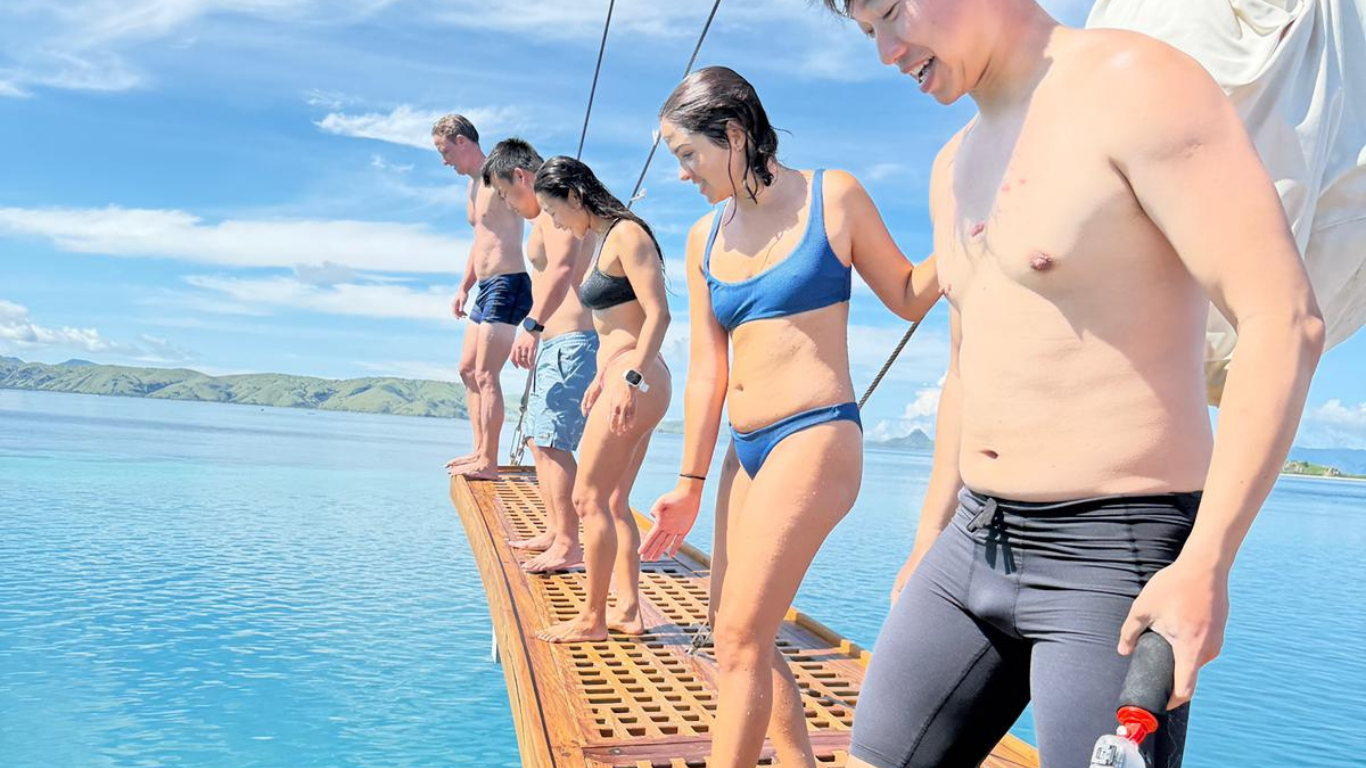
We provide Liveaboard trips in the within Indonesia. With trips to Komodo National Park, Raja Ampat & Banda Sea aboard our beautiful KLM Eliya. Come explore the beauty of some of Indonesia's best dive locations!
Looking for tips and tricks about diving, marine life or what to do in Indonesia? Follow us on our blog for weekly updates from the team!
Liveaboard Season: An Epic Komodo to Raja Journey

KLM Eliya l Liveaboard experience October 13, 2026
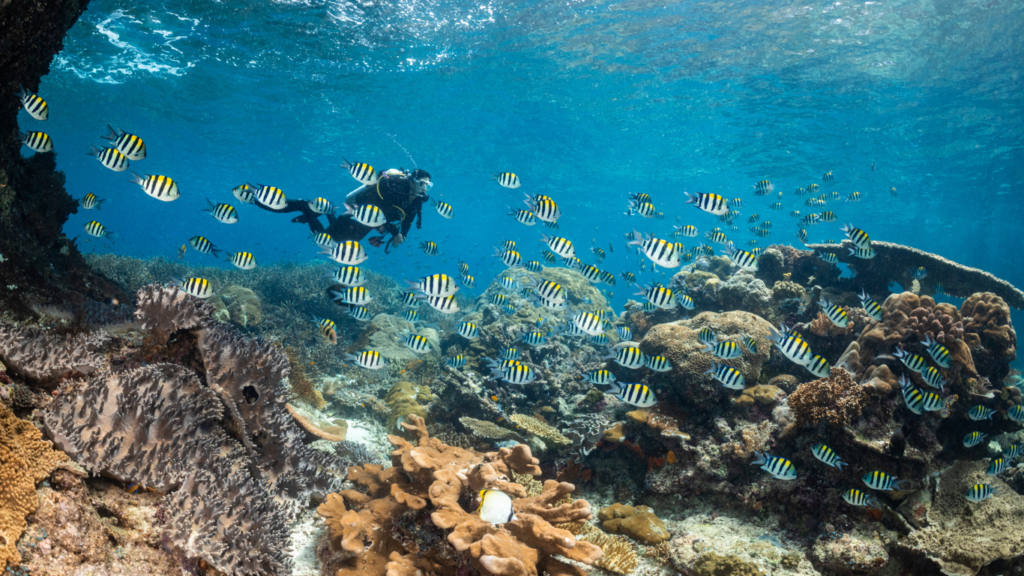
Table of Contents
A liveaboard season can look effortless from the guest side. One month, Scuba Junkie KLM Eliya is moving between the islands of Komodo. Soon afterwards, Raja Ampat appears on the schedule. The map changes, the photographs change and a new group steps aboard in another part of Indonesia.
Between those two departures is a much bigger story.
Changing destinations involves maintenance, route planning, supplies, crew preparation and careful communication with future guests. The vessel may remain familiar, but the environment around it changes dramatically. Komodo and Raja Ampat each have their own geography, diving conditions, logistics and daily rhythm.
This is what happens when one liveaboard season closes and another begins.
A liveaboard season follows the ocean
Liveaboards move because different regions offer different windows through the year. Weather, surface conditions and local diving patterns all help shape when an operation visits a destination. The calendar is not a promise that the sea will behave identically every day. It is a framework built around the periods that generally suit each region.
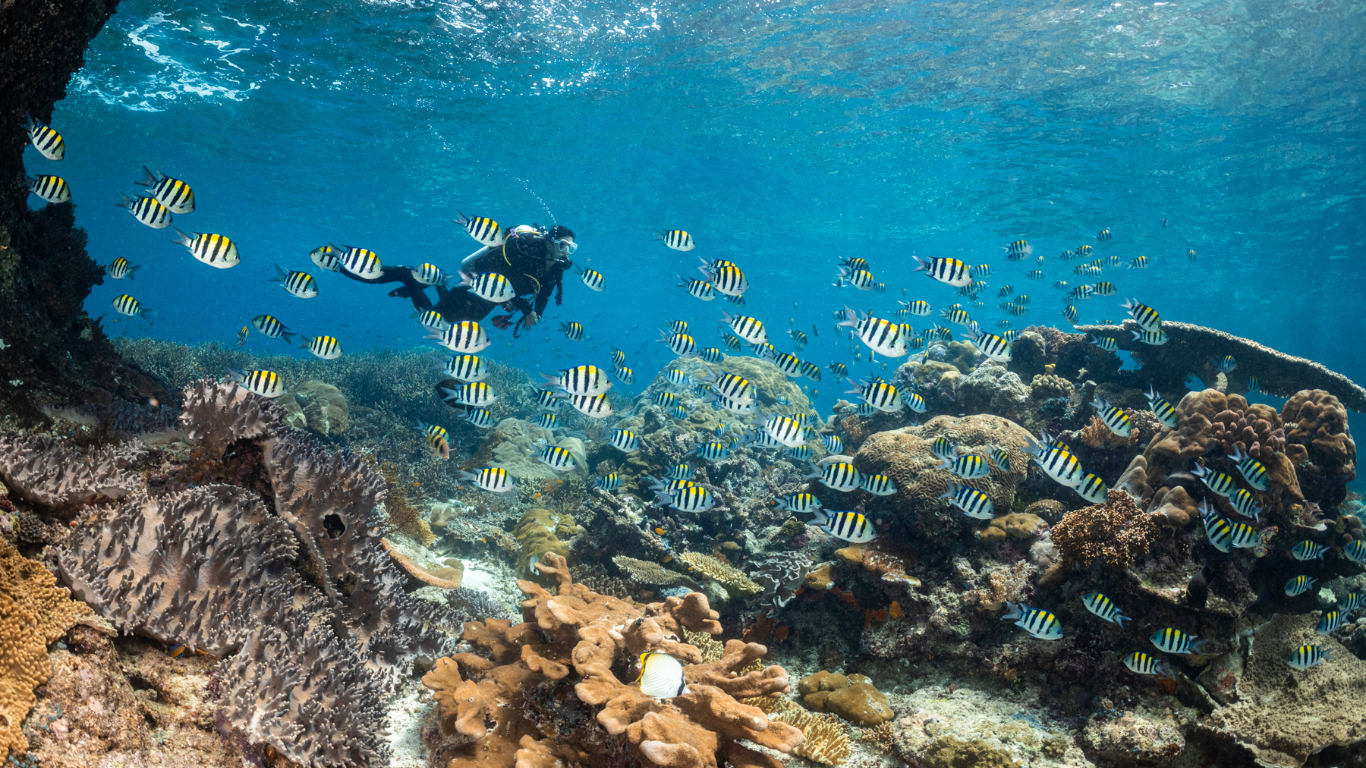
Komodo and Raja Ampat are both Indonesian dive destinations, but they should never be presented as interchangeable. Komodo is known for dramatic island landscapes, varied water movement, manta encounters, sharks, coral gardens and an impressive mix of large and small marine life. Raja Ampat offers dense reef systems, remarkable biodiversity, schooling fish, mantas, wobbegongs, macro life and iconic limestone scenery.
The change is exciting precisely because it is not a copy-and-paste operation. A new liveaboard season asks the boat and crew to adapt while protecting the standards guests expect onboard.
The Komodo chapter closes with real people
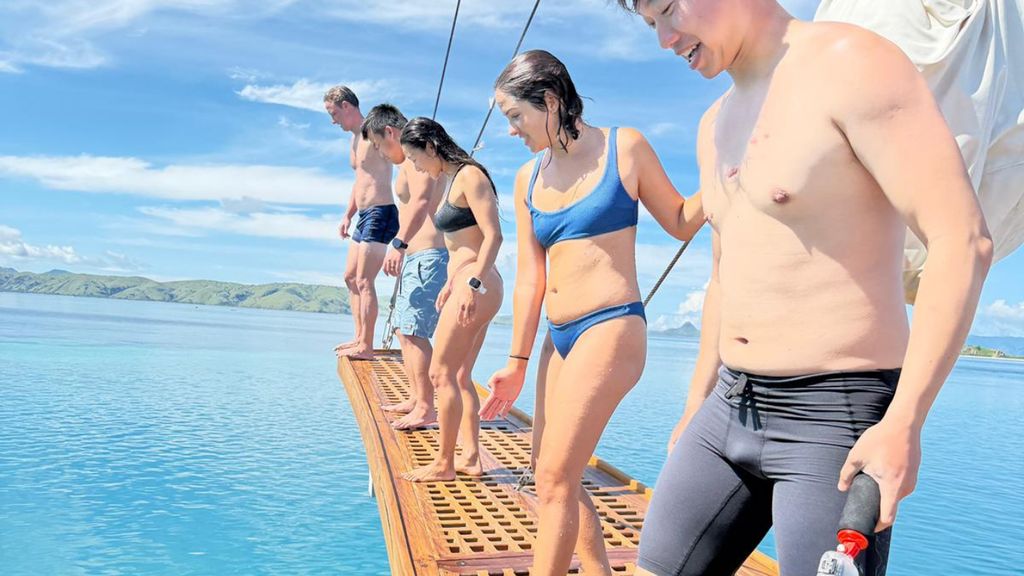
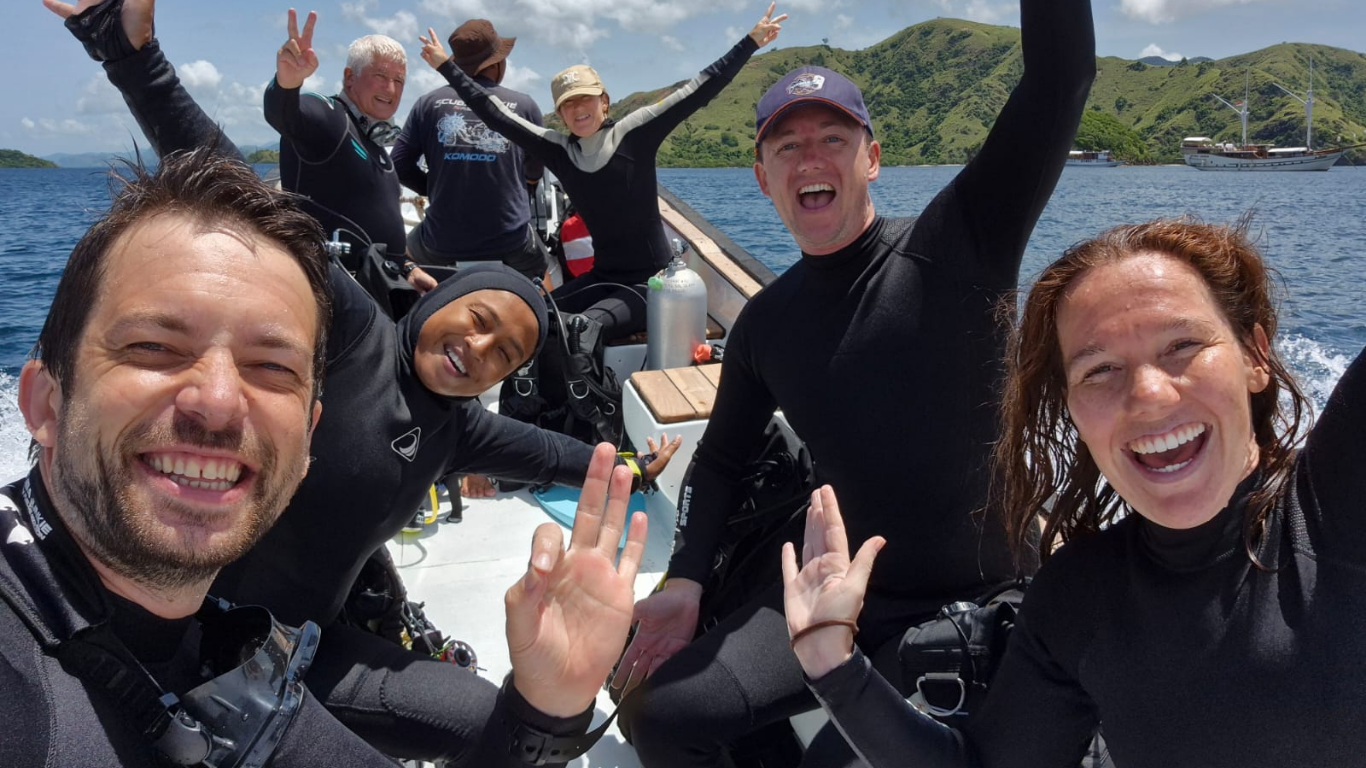
Before the transition begins, the previous chapter deserves a proper ending. The final Komodo trip is not simply the last line in a schedule. It is a week of guest photographs, dive briefings, meals, changing conditions and shared stories.
Those last guests experience Komodo as a complete trip, even while the team knows a major transition is approaching. Their dive days still require the same attention as the first departure of the year. Tanks must be filled, tenders prepared, meals served and routes chosen around the conditions.
Only after that final group leaves does the focus of the liveaboard season shift completely. Guest routines pause. Maintenance and preparation take their place.
Dry dock creates the space to look closely
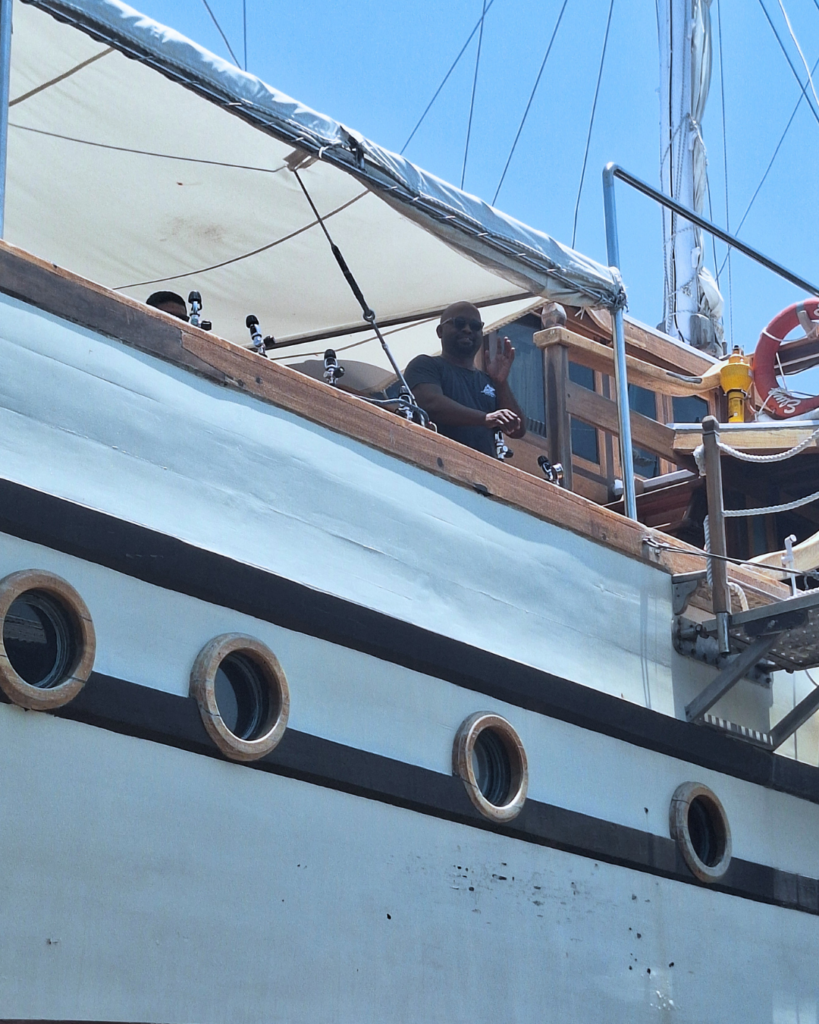
Scuba Junkie KLM Eliya leaves the water before beginning the next stage. This allows the team to inspect normally submerged areas and complete the appropriate planned work. The hull and external components become accessible, while jobs throughout the boat can be organised without an active guest trip underway.
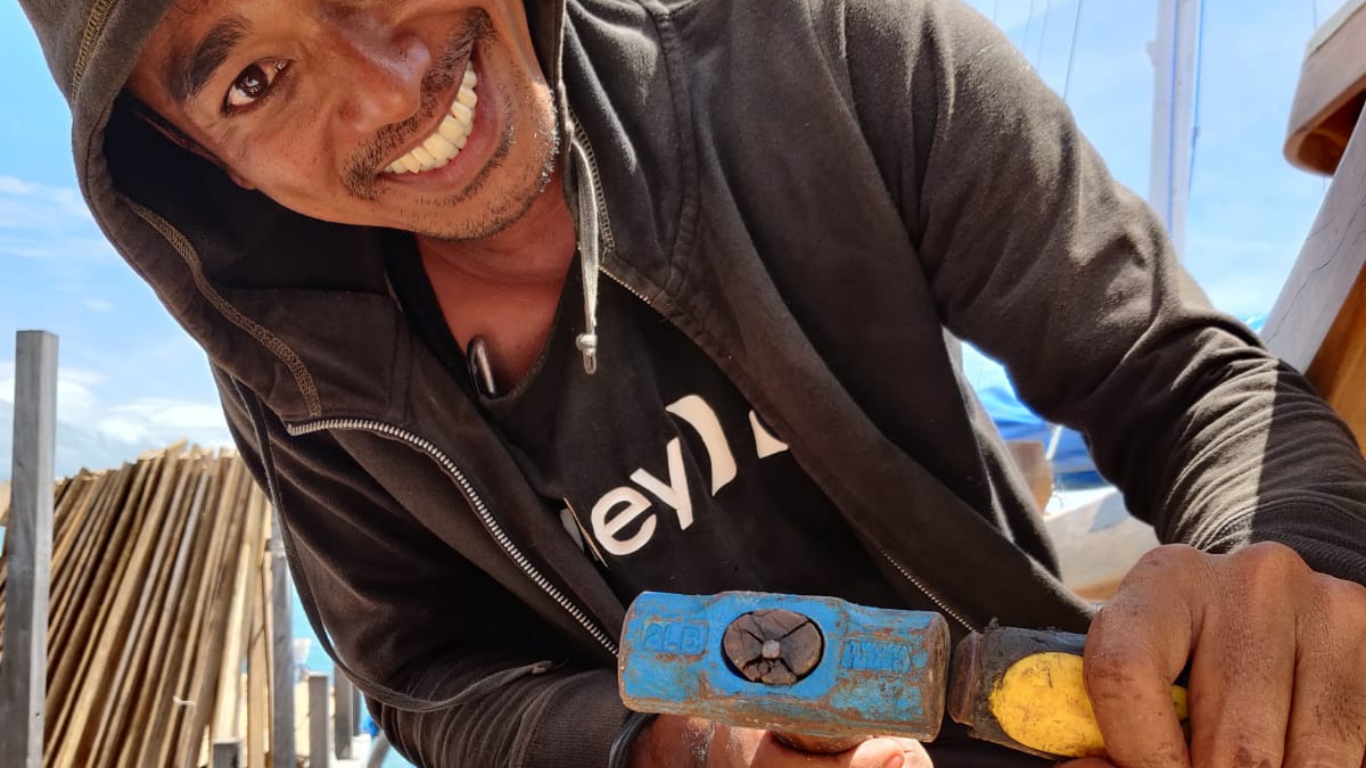
The visible content may include sanding, inspection, paint, carpentry and hands at work. The underlying purpose is preparation. Dry dock creates a defined period to look closely, respond to what is found and help the vessel enter the next liveaboard season ready for a different journey.
It is also a useful reminder that a beautiful boat does not remain that way by accident. Comfort and reliability depend on consistent work, not only on the final photographs.
Moving to Raja Ampat begins before the passage
It is tempting to imagine the transition as a single line from Komodo to Sorong. In reality, planning begins long before the vessel starts moving. Routes, timing, fuel, supplies, local coordination and operational requirements all need attention.
The team must consider what will be available later and what needs to be prepared beforehand. Raja Ampat is remote, and different trip lengths place different demands on provisioning. Food, drinking water, linens, guest supplies, dive equipment and spare items must be organised for the planned departures.
This is where a liveaboard season becomes a logistics story as much as a diving story. Guests may see a neatly prepared cabin and a calm dining area. The crew sees lists, quantities, storage and the responsibility of having the right items onboard when the nearest convenient replacement may be far away.
The diving plan changes with the destination
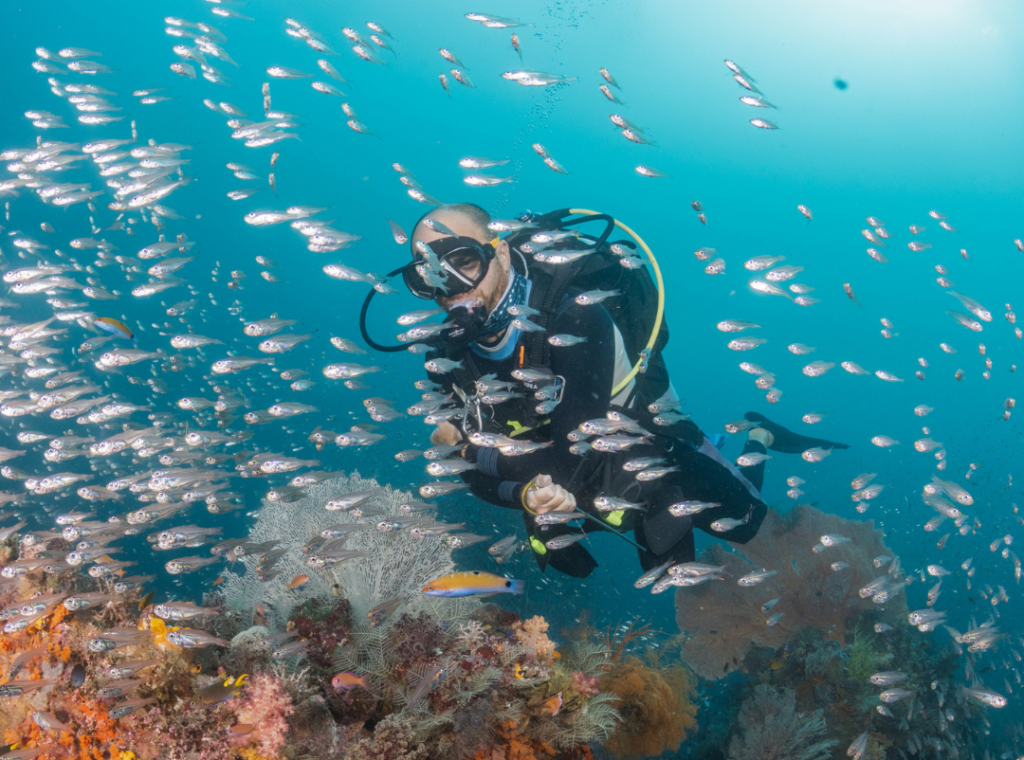
Raja Ampat requires its own operational thinking. The official Scuba Junkie itineraries explain that site choices respond to conditions, tides, diver experience and guest requests where possible. The 7-day central itinerary may include areas around Penemu, the Dampier Strait and Cape Kri. Longer 8-day and 9-day trips can expand into southern Raja Ampat, including the Misool area, depending on the specific route and conditions.
The dive team prepares for different site layouts, water movement, tender approaches and briefing priorities. Guests also need the right preparation. For the 2026–27 Raja Ampat itineraries, Scuba Junkie requires a minimum Open Water certification plus a Deep Adventure Dive that allows diving to 30 metres, at least 20 logged dives and a most recent dive within nine months of embarkation.
These requirements are not designed to make the destination feel exclusive. They help guests arrive with a foundation suited to the planned diving. A strong liveaboard season depends on matching exciting itineraries with appropriate preparation.
The familiar parts still matter
Even as the destination changes, much of what makes the boat feel like home remains. Guests still wake aboard Scuba Junkie KLM Eliya. Briefings still take place before the dives. The dive deck still becomes the centre of activity several times a day. Meals, camera conversations and quiet moments on the upper deck still shape the hours between the water.
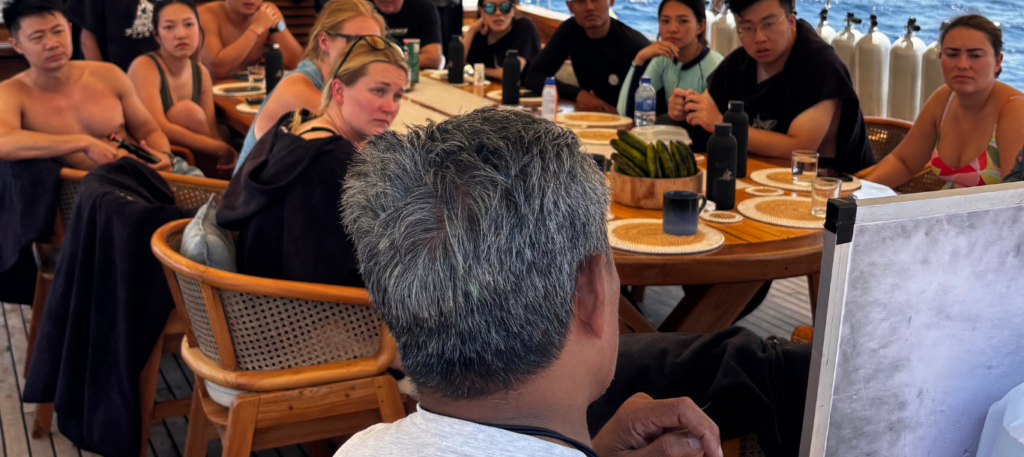
This continuity is part of the appeal. Returning guests can recognise the crew’s warmth and the rhythm of life onboard while experiencing an entirely new region outside.
The best liveaboard season content should show both sides of that story. Raja Ampat brings a new horizon, but the boat does not lose its character when the coordinates change.
Raja Ampat changes the view above and below
The anticipation around Raja Ampat is not only about species lists. Underwater, the density of coral and fish life can make the reef feel busy before a diver has identified a single animal. Wide scenes compete with small details. A wobbegong may be resting beneath a ledge while schooling fish fill the water above it.
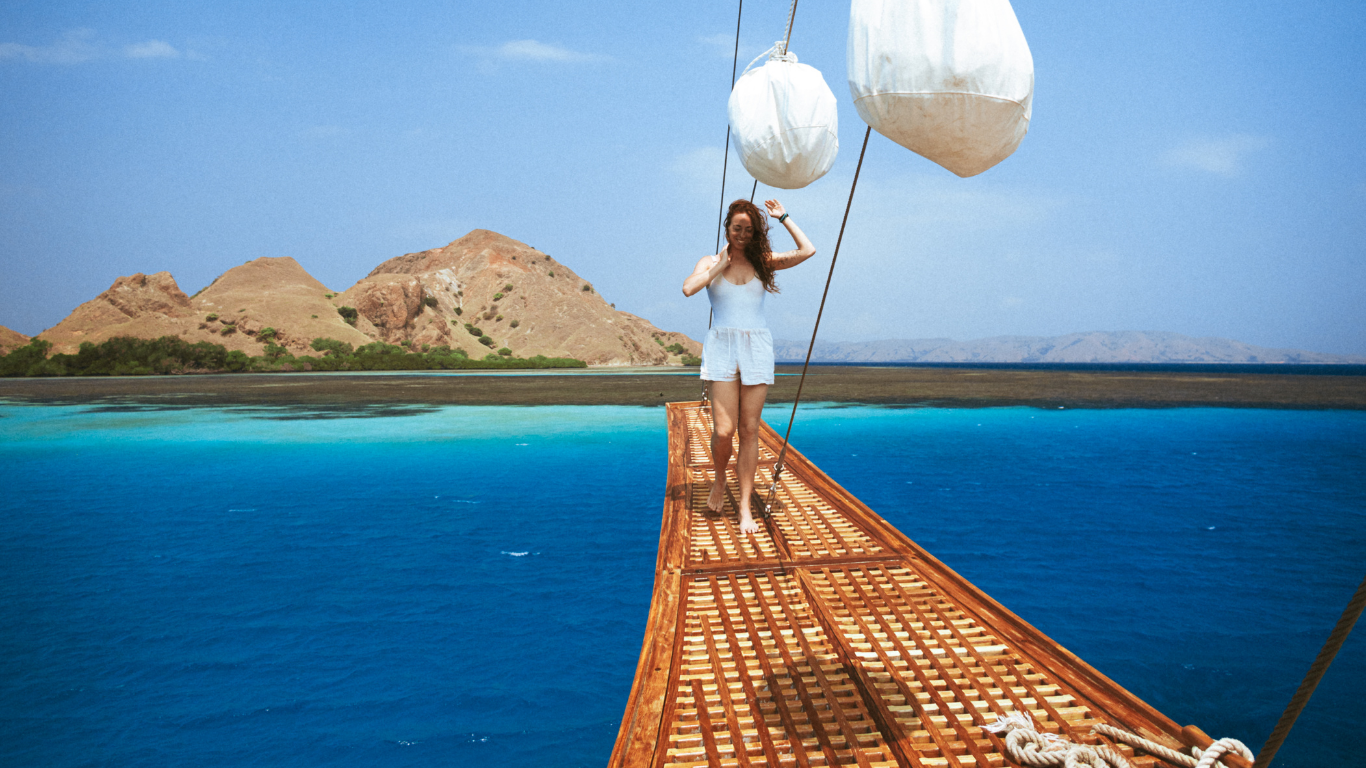
At the surface, green karst islands, sheltered anchorages and long stretches of blue make the journey visually different from Komodo. Even a surface interval can feel connected to the destination.
This is why the October transition should not become a month of workshop photographs alone. Maintenance builds trust, but the blue imagery explains what all that work is preparing for.
The next liveaboard season starts before embarkation
By the time the first Raja Ampat guests step onboard, much of the transition story is already complete. The boat has moved, supplies have been loaded, cabins prepared and arrival details confirmed. The guests see the beginning of their trip. The crew sees the result of weeks of work.
Then the familiar routine begins again. Welcome drinks. A vessel and safety briefing. Time to settle into the cabins. The first movement away from Sorong and, later, the first check dive.
A liveaboard season is measured in departures, but it is built in the days between them. Komodo closes. Dry dock reveals the work. Raja Ampat provides the next horizon. Scuba Junkie KLM Eliya connects the whole story.
Frequently asked questions about the liveaboard season
Why does Scuba Junkie KLM Eliya move between Komodo and Raja Ampat?
The operation follows seasonal windows that generally suit each region. The destinations offer different diving, landscapes and logistics, allowing guests to experience more of Indonesia from the same familiar vessel.
Is the Raja Ampat itinerary fixed?
No. Sample itineraries show the intended regions and number of dives, but exact site choices remain subject to conditions, tides, diver experience and operational decisions.
What is required to join a Raja Ampat trip?
For the published 2026–27 itineraries, divers need at least an Open Water certification plus a Deep Adventure Dive to 30 metres, 20 logged dives and a most recent dive within nine months. Guests should confirm current requirements before booking.
Do all Raja Ampat trips visit the same areas?
No. The 7-day trip focuses on central Raja Ampat, while the published 8-day and 9-day routes combine central and southern areas. Actual routes remain subject to conditions.
Does the crew change for every destination?
Operational teams can vary, but the aim remains consistent: thoughtful planning, professional dive operations and the warm atmosphere guests associate with Scuba Junkie KLM Eliya.