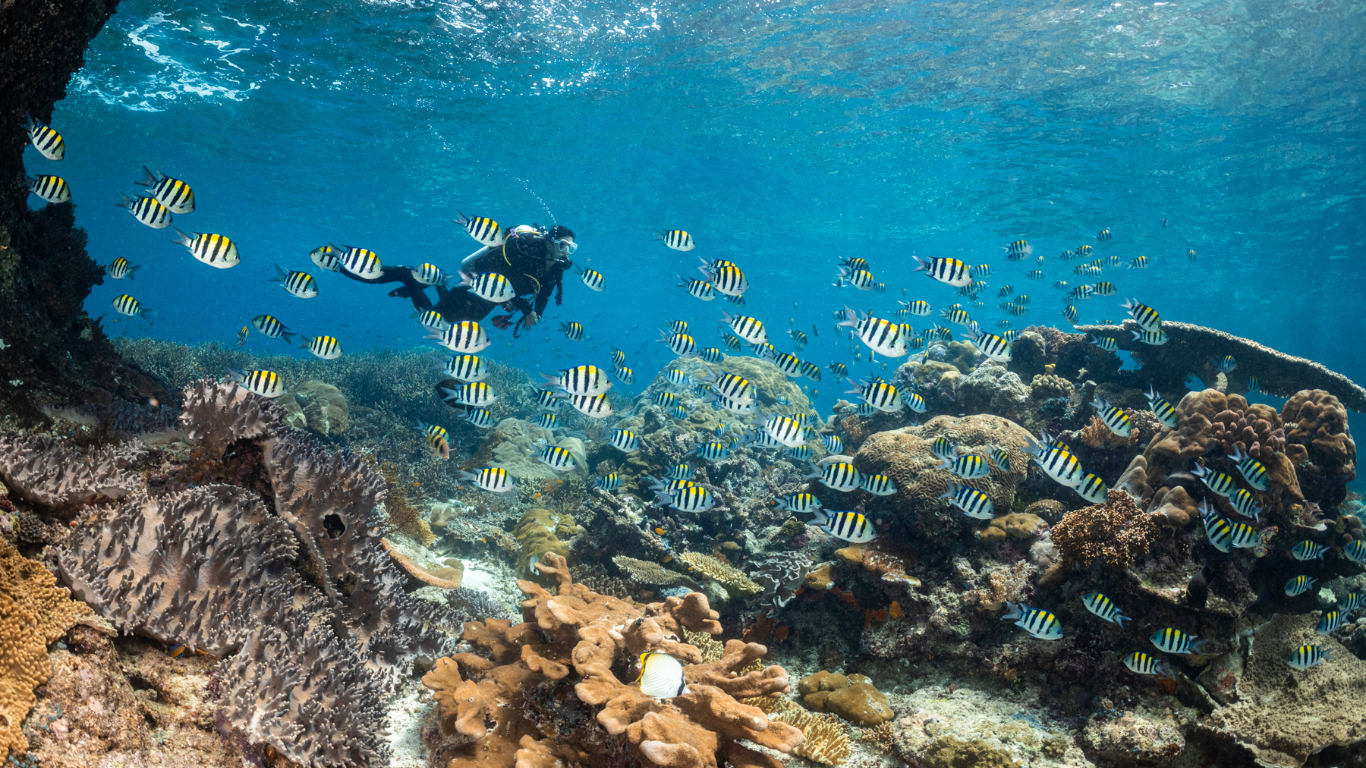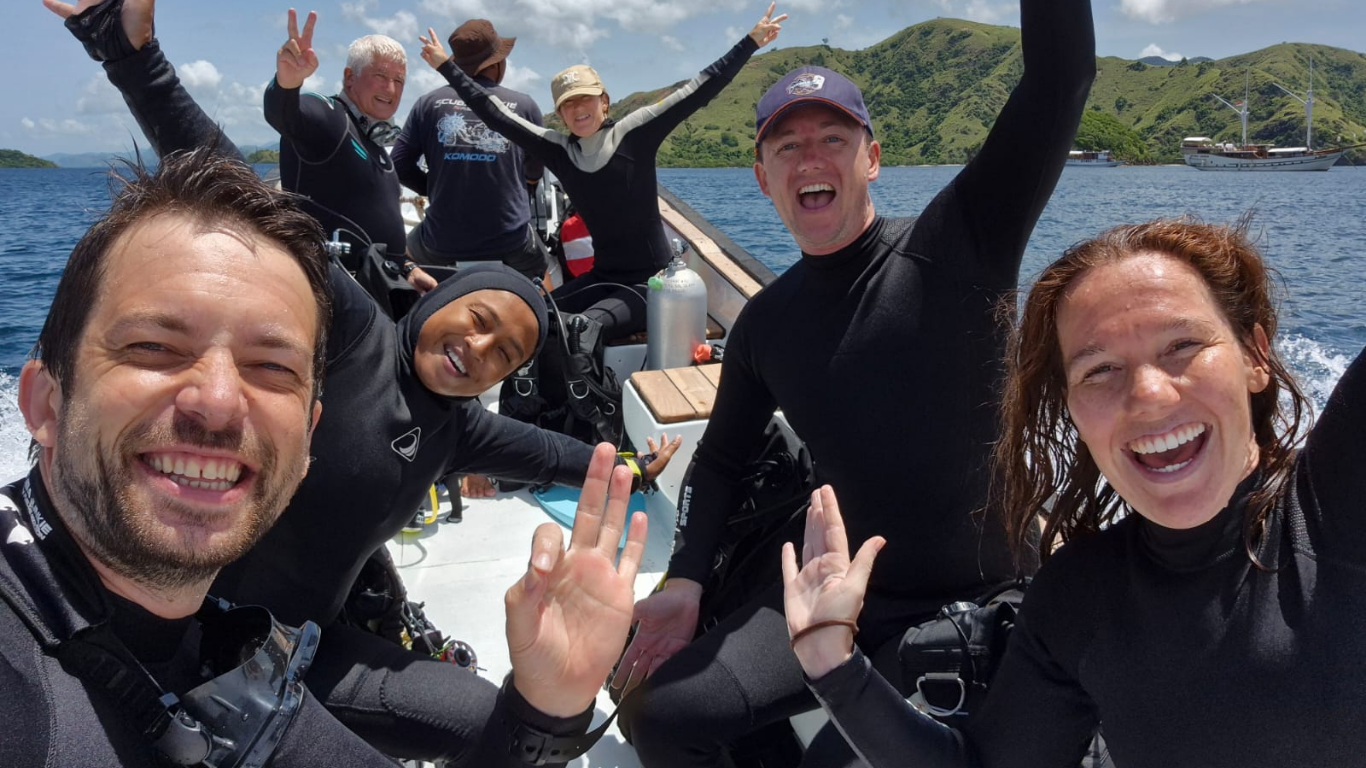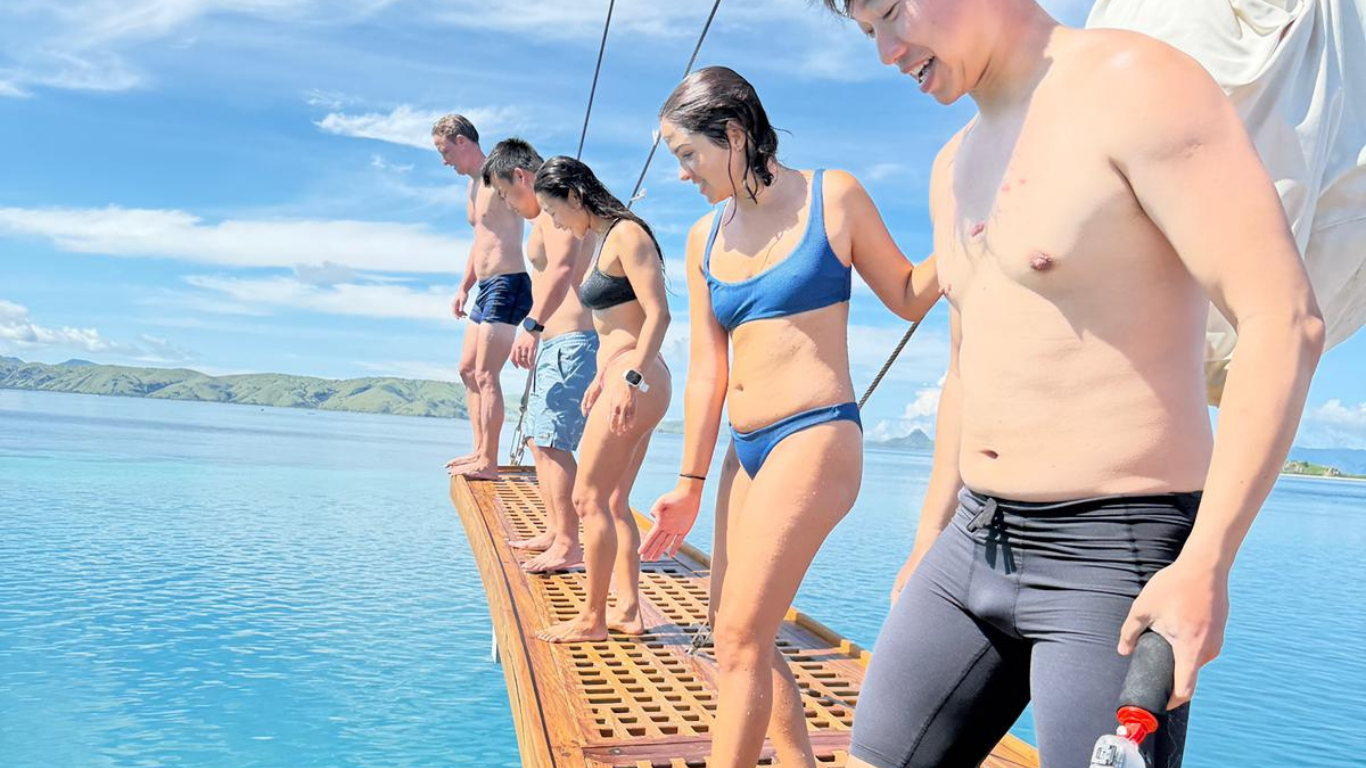
We provide Liveaboard trips in the within Indonesia. With trips to Komodo National Park, Raja Ampat & Banda Sea aboard our beautiful KLM Eliya. Come explore the beauty of some of Indonesia's best dive locations!
Looking for tips and tricks about diving, marine life or what to do in Indonesia? Follow us on our blog for weekly updates from the team!
Liveaboard Maintenance: 7 Essential Dry Dock Jobs

KLM Eliya September 30, 2026
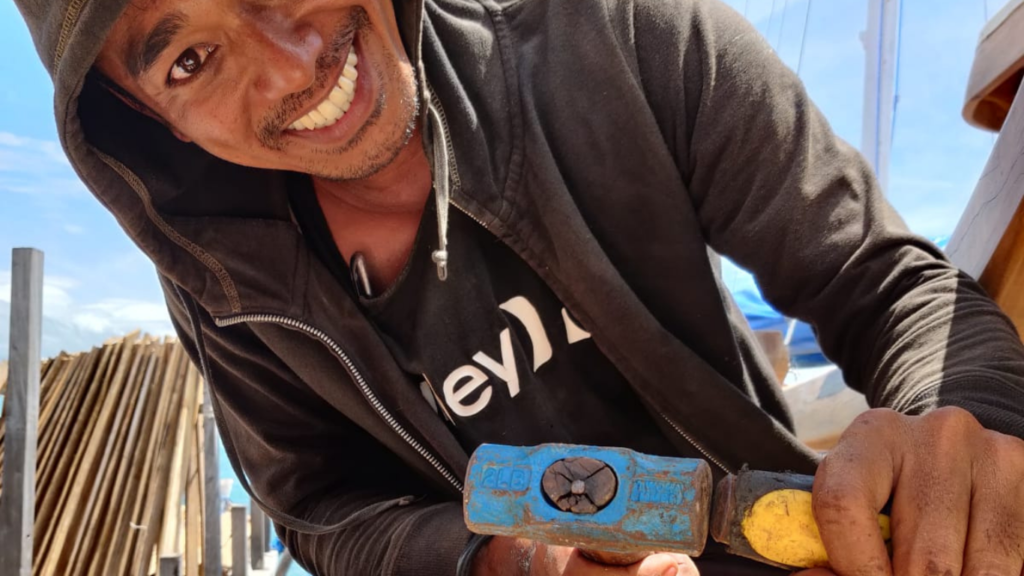
Table of Contents
Liveaboard maintenance is one of the least visible parts of a dive trip, yet it supports almost everything guests experience once they come aboard. Long before the first briefing, the first tender ride or the first giant stride, a liveaboard depends on regular inspection, careful upkeep and a team willing to pay attention to details that most passengers will never notice.
Dry dock brings that work into view. Scuba Junkie KLM Eliya is taken out of the water so areas that are normally submerged can be reached, inspected and maintained. It is not simply a cosmetic pause between destinations. It is an important working period that helps prepare the vessel, its systems and its guest spaces for the next stage of the season.
The exact work completed during any dry-dock period depends on planned maintenance and what the team discovers during inspection. Some jobs are expected before the boat arrives. Others only become clear once the hull is visible. That combination of planning and close observation is what makes the process so valuable.
1. Liveaboard maintenance begins with a full hull inspection
When a boat is operating, much of its hull remains hidden beneath the surface. Dry dock changes that. With the vessel supported out of the water, the team can examine the underwater sections more closely and look for areas that need cleaning, repair or further professional assessment.
The hull is not just the part of the boat that appears in photographs. It is the structure separating the vessel from the sea, so its condition matters. Scratches, worn coatings or signs of marine growth can be easier to understand when the entire surface is accessible.
This is also why liveaboard maintenance cannot be judged only by how polished a boat looks from the deck. Some of the most meaningful work happens underneath, where guests may never see it once the boat returns to the water.
2. The underwater surfaces are cleaned and protected
Warm tropical waters support extraordinary marine life, but they also make it easy for algae and other organisms to settle on underwater surfaces. Cleaning the hull helps the team inspect it properly and prepare it for any coating work that may be required.
For guests, this part of liveaboard maintenance is almost invisible. They may simply see Scuba Junkie KLM Eliya moving through open water. Behind that moment is the less glamorous work of keeping the underwater surfaces in suitable condition.
3. Propulsion and steering areas become accessible
Dry dock also creates access around the parts that help a vessel move and manoeuvre. Depending on the maintenance plan and inspection findings, qualified personnel can check relevant external components more easily than they could while the boat was afloat.
This does not mean every dry dock involves replacing every component. Good maintenance is not about creating dramatic work for the camera. It is about inspecting carefully, identifying what actually needs attention and completing the appropriate work before the next passage.
That measured approach is an important part of professional liveaboard maintenance. The goal is not to make the process look impressive. The goal is to help the vessel return to operation prepared for the journeys ahead.
4. Onboard systems receive planned attention
A liveaboard is both a vessel and a temporary home. It carries systems for navigation, communication, power, water, air conditioning, food preparation and daily guest life. Dive operations add another layer, including compressors, cylinder handling areas, camera charging points and tender support.
Not every system requires the same task at the same time, but a maintenance period creates space for scheduled checks and repairs. The team can work methodically without a guest departure immediately following breakfast.
This quieter working window matters. During a trip, the crew focuses on safe operations and the guest experience. During dry dock and preparation, liveaboard maintenance can move to the centre of the schedule.
5. The dive deck is prepared for another season
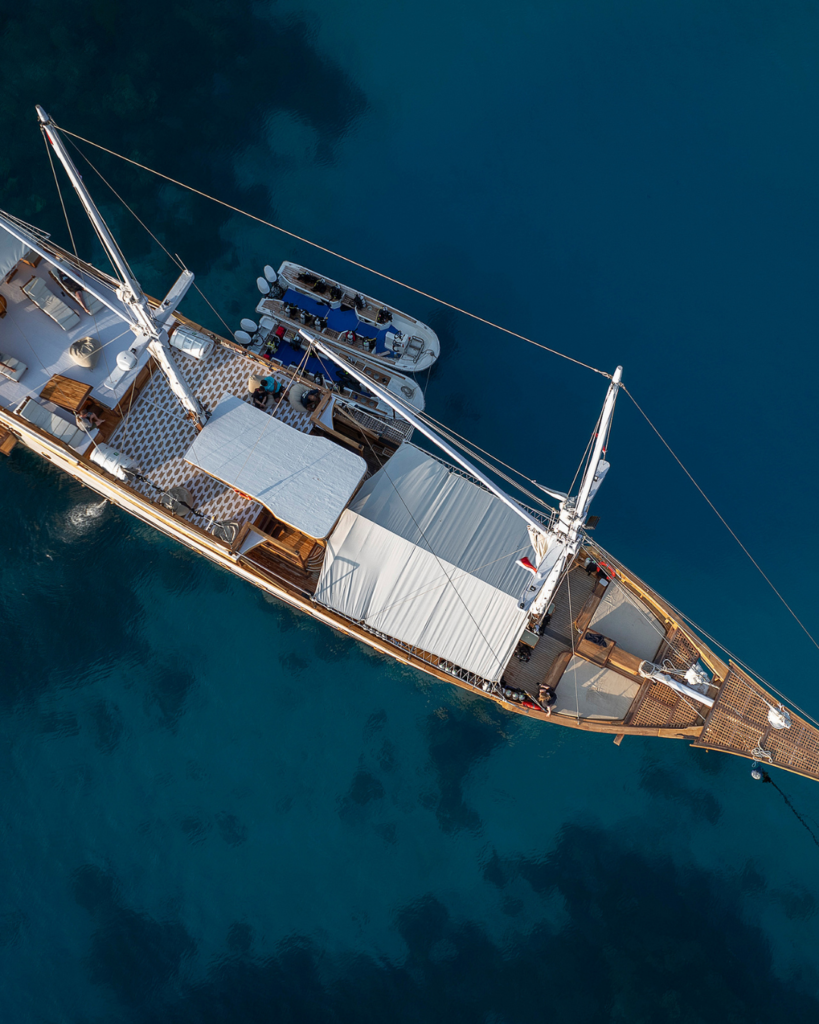
For divers, the dive deck is one of the most important working spaces onboard. It is where equipment is stored, cylinders are prepared, cameras are organised and divers get ready to enter the tenders. A small detail in this space can influence the rhythm of every dive day.
Dry dock gives the team time to inspect high-use areas, review the layout and take care of wear created by a busy season. Benches, storage, ladders, fittings and working surfaces may all need different levels of attention.
Thoughtful liveaboard maintenance protects more than the appearance of the dive deck. It helps preserve the calm, organised routine guests rely on when several divers are preparing at once.
6. Cabins and shared spaces are refreshed
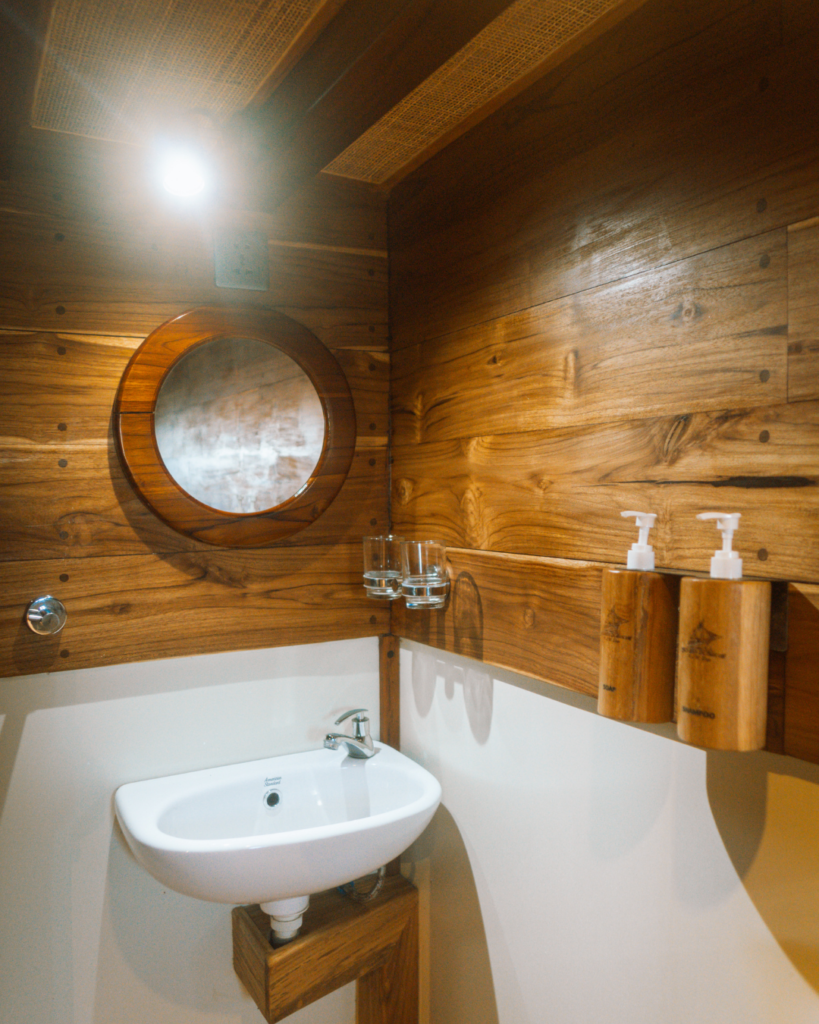
The technical side of a boat may receive much of the attention, but guest spaces also work hard during a season. Cabins, bathrooms, dining areas, the camera station and relaxation spaces are used every day, often from dawn until long after dinner.
Refreshing these areas may involve carpentry, finishes, fixtures, fabrics or smaller repairs that prevent minor wear from becoming a larger problem. On a handcrafted phinisi, this work also helps preserve the character of the boat rather than replacing it with something generic.
This is where the lightly luxurious side of liveaboard maintenance becomes very practical. Comfort is not created by one dramatic feature. It is created by many small details working as they should.
7. The work is checked before the next chapter begins
Finishing an individual job is not the same as finishing the maintenance period. Work needs to be reviewed, spaces reorganised and relevant systems checked before the boat returns to regular operation. Supplies, dive equipment and guest areas must then be prepared for the next region and the next group.
For Scuba Junkie KLM Eliya, this dry-dock period also sits between two very different chapters. Komodo season has ended, while Raja Ampat is waiting. The transition involves more than moving the boat on a map. It requires the vessel and crew to be ready for a new route, new logistics and a different style of journey.
That is why liveaboard maintenance belongs in the story of the trip. It may happen without guests onboard, but its purpose reaches every guest who comes later.
The people behind liveaboard maintenance
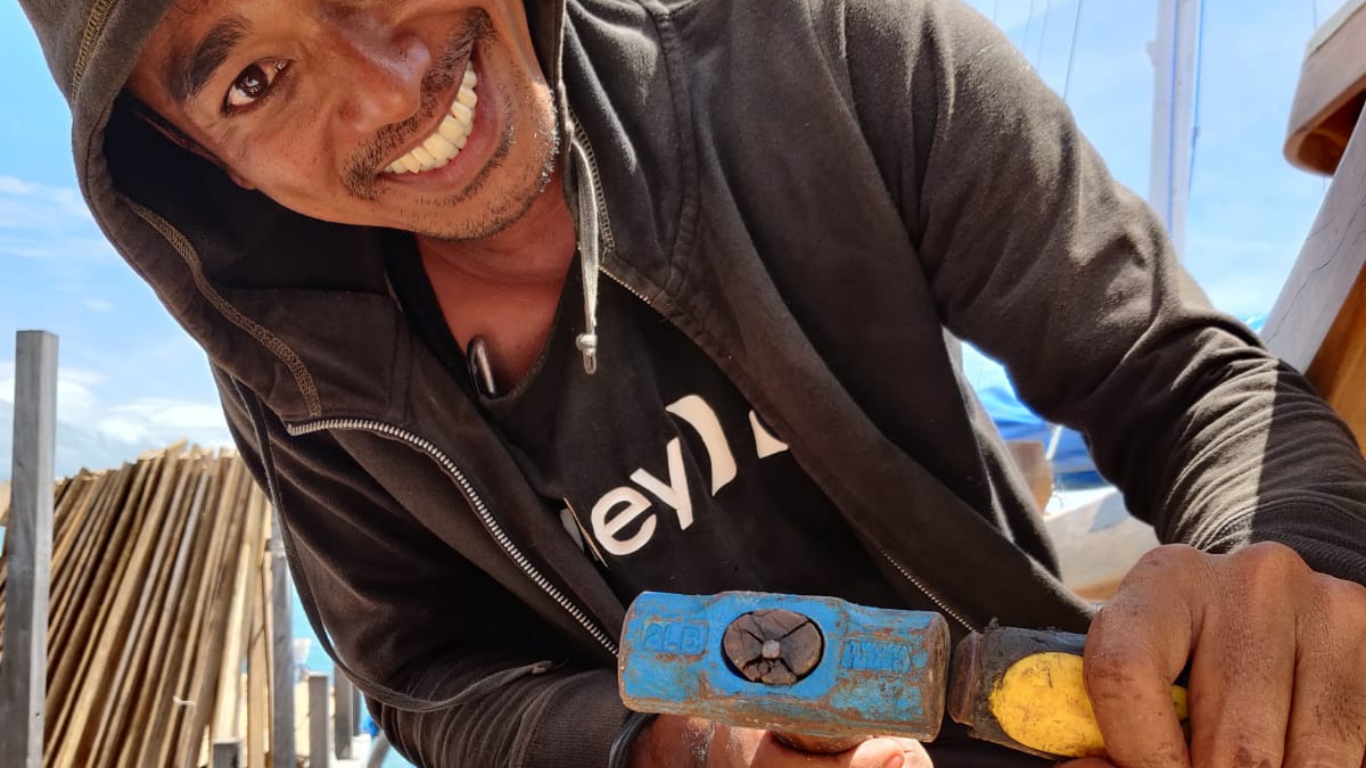
Dry-dock content often focuses on tools, sanding, paint and the hull. The real story is the people doing the work. Crew members, craftspeople and technical specialists bring different knowledge to the process, and their decisions shape what happens next.
Some tasks are visually satisfying. Others are repetitive, slow or almost impossible to explain in a short video. All of them require attention. A well-run maintenance period is built from the same qualities guests value during a trip: communication, planning, experience and care.
When Scuba Junkie KLM Eliya returns to blue water, the visible transformation may be beautiful. The deeper value lies in the work that prepared the boat to keep moving.
Frequently asked questions about liveaboard maintenance
Why does a liveaboard need to leave the water?
Taking a vessel out of the water makes normally submerged parts of the hull accessible for inspection, cleaning and appropriate maintenance. The exact work depends on the vessel, schedule and findings.
Is dry dock only for painting the boat?
No. Surface preparation and coatings may be part of the process, but dry dock can also support hull inspection, external component access, system maintenance and work throughout guest and dive spaces.
Does every dry dock involve the same work?
No. Planned jobs are combined with anything identified during inspection. A maintenance period should respond to the actual condition and needs of the vessel.
Why show guests behind-the-scenes maintenance?
It helps explain that a liveaboard experience begins long before embarkation. Sharing the process also gives credit to the crew, craftspeople and specialists whose work supports each season.
When will Scuba Junkie KLM Eliya return to the water?
The operational schedule depends on completion of the planned work and preparation for the next season. Follow Scuba Junkie Liveaboards for the transition from dry dock to Raja Ampat.