
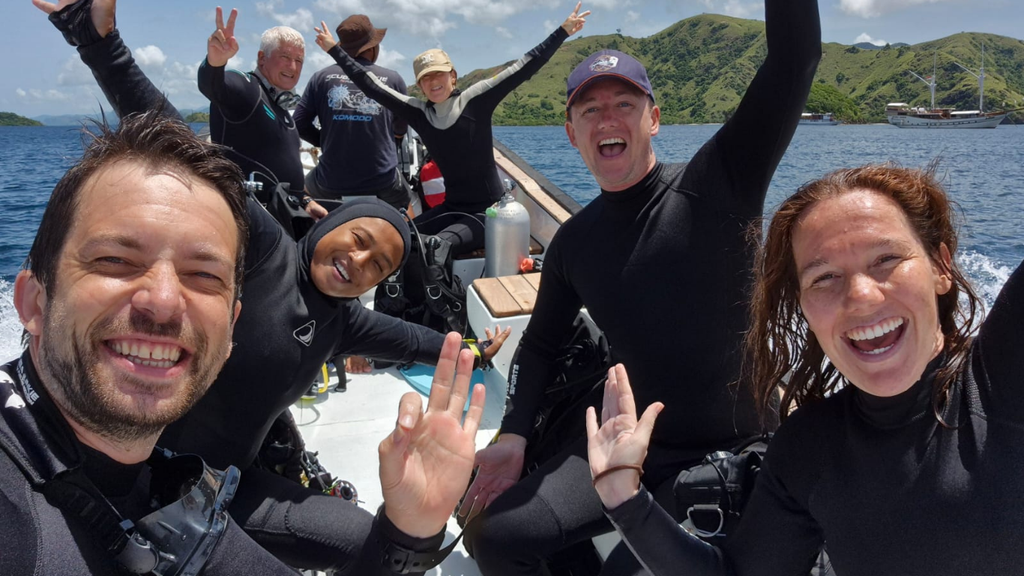
Liveaboard diving changes more than the number of dives in your logbook. When the boat moves between sites, areas and even destinations, the diver has to keep adjusting too. The routine becomes familiar, but the ocean does not.
One morning may begin above a current-shaped pinnacle. The next might bring a coral garden, a sheltered bay, a cleaning station or a dive where the smallest animal becomes the main event. This variety is central to liveaboard diving. Across the season, Scuba Junkie KLM Eliya moves between Komodo, Raja Ampat and Banda Sea routes, each with its own landscapes, conditions and underwater character.
That movement changes how you approach a dive. Instead of learning one local routine and repeating it, you begin to pay closer attention to briefings, conditions, equipment, communication and your own energy. Slowly, the experience can influence the kind of diver you become.
On a land-based trip, divers often return to the same area each day. A liveaboard keeps moving. Even within one destination, the boat can travel between different sections, bringing guests closer to sites that would be difficult or inefficient to reach through repeated day trips.
The benefit is not simply more locations. It is contrast.
A dive site shaped by current asks for a different approach from a protected macro site. A wide reef scene changes the way you position yourself compared with a close search for small marine life. A sunset dive carries a different rhythm from the first dive of the morning.
This variety means liveaboard diving rarely allows a diver to rely only on habit. You still use the same core skills, but you apply them in changing situations. The result is a stronger understanding that good diving is not about making every dive feel the same. It is about responding calmly when it does not.
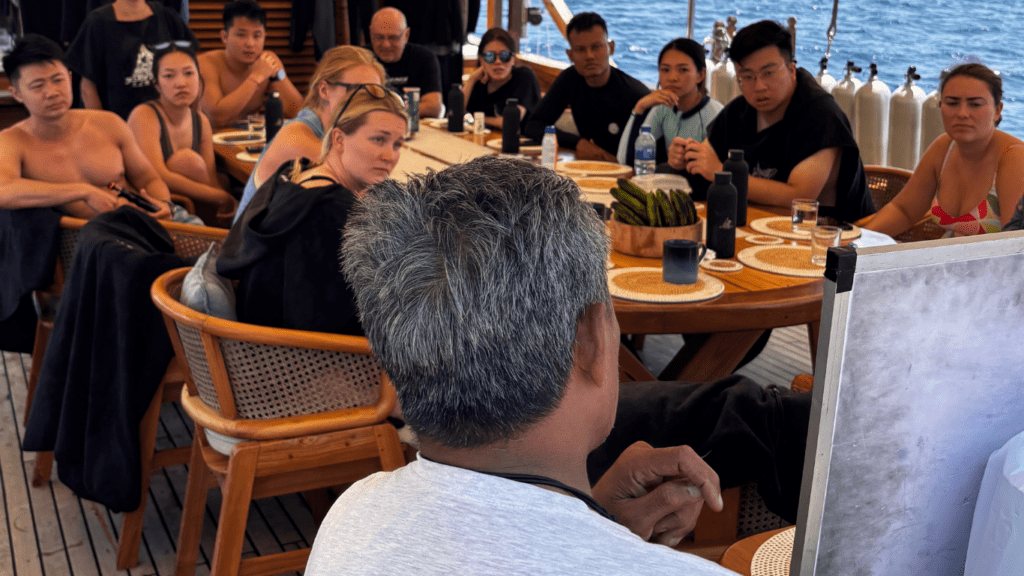
In liveaboard diving, conditions and sites change regularly, so the briefing becomes more than an introduction to a name on the map.
Current direction, entry technique, expected route, depth, signals, marine-life behaviour and the exit plan may all be different from the previous dive. Details that seemed minor on day one begin to carry more meaning after several days of seeing how they affect the dive.
You learn that a familiar-looking reef can behave differently with another tide. You understand why the group may need to descend together, why the tender position matters or why a guide changes the route after checking the water.
The itinerary aboard Scuba Junkie KLM Eliya remains flexible because site choices depend on conditions, tides, diver experience and guest requests. That does not make the trip less organised. It means the planning continues throughout the trip.
Over time, liveaboard diving can make divers better listeners because the connection between the briefing and the experience becomes immediately visible.
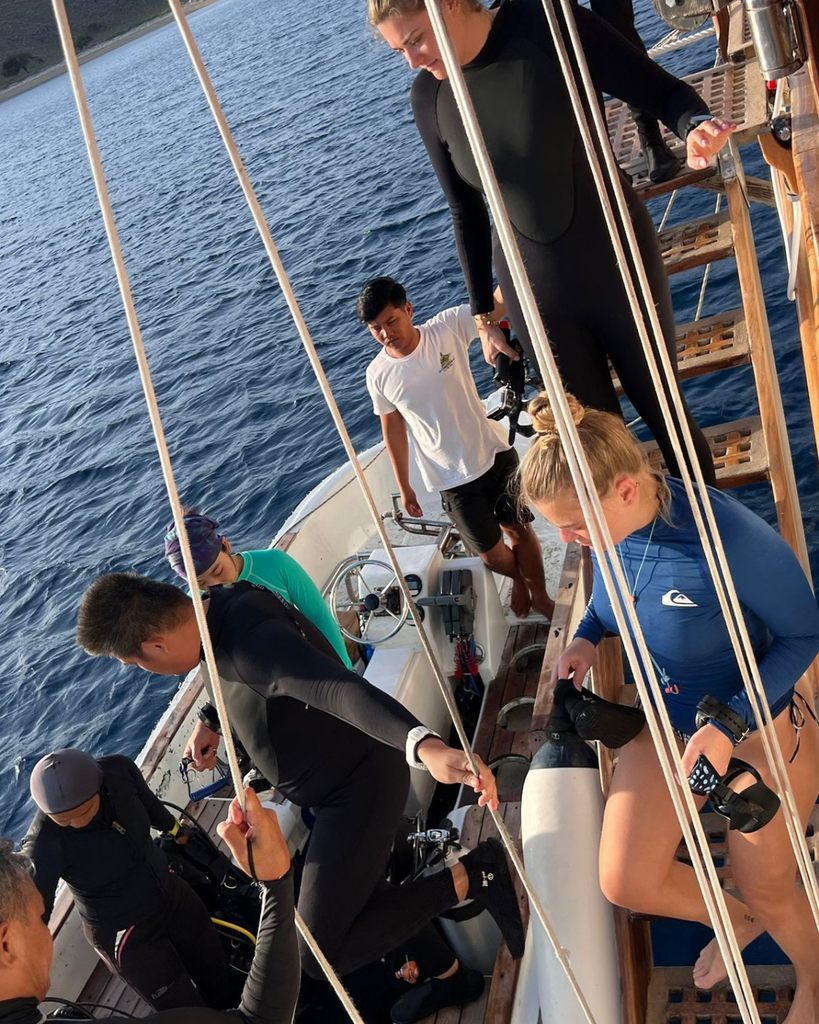
The dive sites change, but the basic rhythm repeats. Briefing. Equipment. Buddy check. Entry. Dive. Exit. Surface interval. Then preparation begins again.
At first, a full dive deck can feel busy. After a few days, most guests know where their equipment belongs, what needs to be checked and how long they need to prepare without rushing. Small habits become smoother because there is another opportunity to practise them a few hours later.
This is one of the practical strengths of liveaboard diving. Skills are not revisited months apart. Equipment setup, buoyancy checks, gas awareness and communication are repeated across several dives and several days.
Repetition alone does not automatically improve a diver. Attention still matters. But when a guest notices something that could be better, the next opportunity to adjust is close. A strap can be positioned differently, a weight check can be discussed or a buddy signal can be clarified before the next dive.
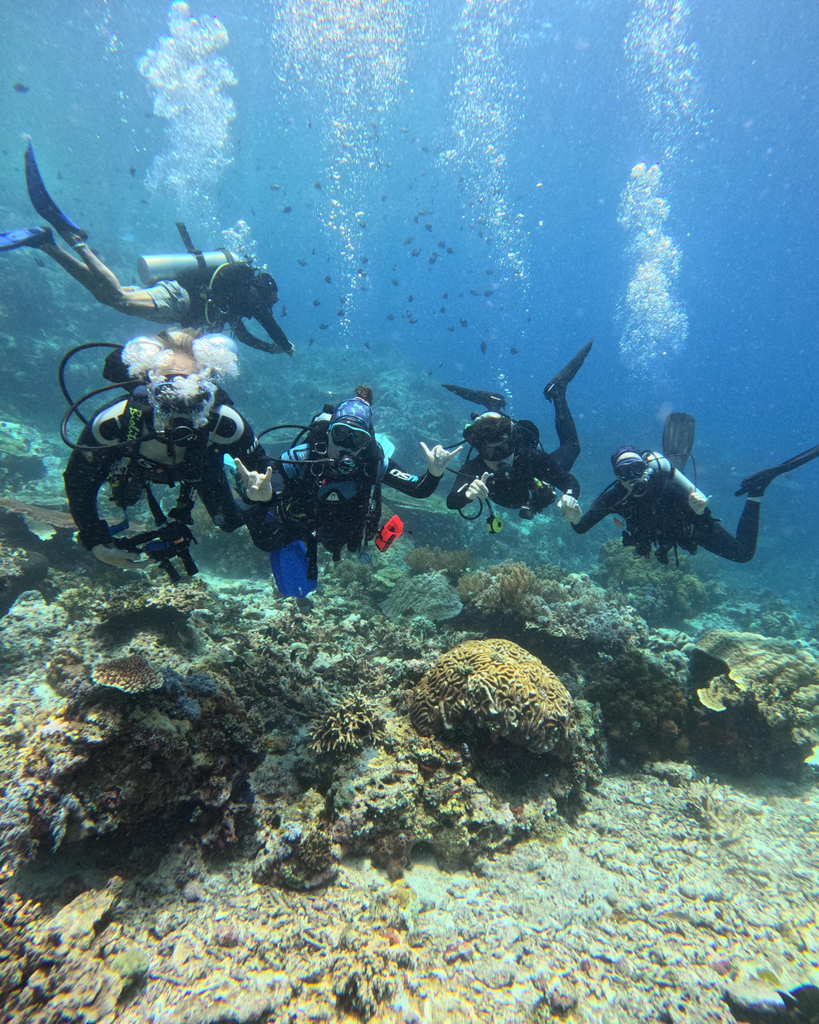
A liveaboard group spends more time together than a collection of divers meeting briefly for one day. Guests hear the same guides, use the same tenders and become familiar with the people in their dive group.
That familiarity can make communication more efficient. A guide learns who prefers more time during descent, who is carrying a large camera and who is still building confidence in current. Buddies begin recognising each other’s pace and air-consumption patterns. Questions become easier to ask because the relationship has had time to develop.
Scuba Junkie Liveaboards groups divers according to experience and comfort rather than placing everyone into one large team. The plan can still change, but the goal is to create groups that can enjoy the dives safely and at a suitable pace.
The social side matters too. After several dives together, feedback continues over meals and surface intervals. Liveaboard diving gives people time to discuss what worked, what felt difficult and what they want to try differently next time.
Part of the appeal of liveaboard diving is experiencing how much one destination can differ from another. Komodo, Raja Ampat and the Banda Sea are not interchangeable names on a schedule. The routes change, the distances change and the diving asks guests to notice different things.
Komodo often teaches respect for timing and moving water. A dive can be shaped by when the group enters as much as where. Raja Ampat draws attention to variety within the reef, where a wide scene and a tiny detail can compete for the same diver’s focus. Banda Sea routes connect remote areas over longer passages, making the journey and the transition between regions part of the experience.
Conditions vary within every destination, and no short description can define every dive. That is exactly the point. When Scuba Junkie KLM Eliya changes location, guests are not simply collecting new site names. They are learning how much good diving depends on observation and adaptability.
For some divers, liveaboard diving reveals a habit of rushing. For others, it shows that they rely heavily on the guide or become distracted by a camera. The variety makes those habits easier to notice because the environment keeps presenting them in a new way.
Because liveaboard diving can involve several dives across several days, it requires honest decisions. Enthusiasm can make every dive feel essential, but rest is also part of safe and enjoyable diving.
Guests begin learning when they feel sharp, when they need more water, when equipment preparation is becoming rushed or when skipping a dive would make the rest of the day better. There is no requirement to join every entry, and there should be no embarrassment in choosing a longer surface interval.
Hydration, food, sleep and communication become part of the dive plan. Divers Alert Network recommends paying attention to hydration and sensible energy management during liveaboard trips, particularly when spending several days diving and in the sun.
This self-awareness is another way liveaboard diving can change a diver. Experience is not only knowing how to continue. It is also knowing when to pause.
On the first day, it is easy to arrive with a mental list. Manta. Shark. Huge school of fish. Favourite site.
After several days of varied diving, attention often becomes wider. A guest who boarded hoping for one major encounter may leave talking about a night-dive animal, a coral landscape, a behaviour they had never noticed or the way one site changed completely when the current shifted.
Wildlife is never guaranteed. That can initially sound like a limitation, but it also encourages a different relationship with the ocean. The dive becomes less about receiving the expected result and more about understanding what is happening in front of you.
This may be the most lasting change created by liveaboard diving. You learn to arrive with hopes without demanding a script.
A week of frequent diving can build familiarity, but it does not replace a course, professional instruction or honest preparation for a demanding itinerary.
Every route has its own experience requirements. Divers should check the required certification, recent experience and conditions before booking. A refresher, Advanced Open Water course or relevant specialty may be the right step before a particular trip.
Once onboard, speak openly with the team. Mention if you have not dived recently, if a condition is new to you or if you want extra support. Good planning begins with accurate information.
The purpose of liveaboard diving is not to prove how many dives you can complete. It is to experience a destination more fully while making decisions that keep the trip comfortable, responsible and enjoyable.
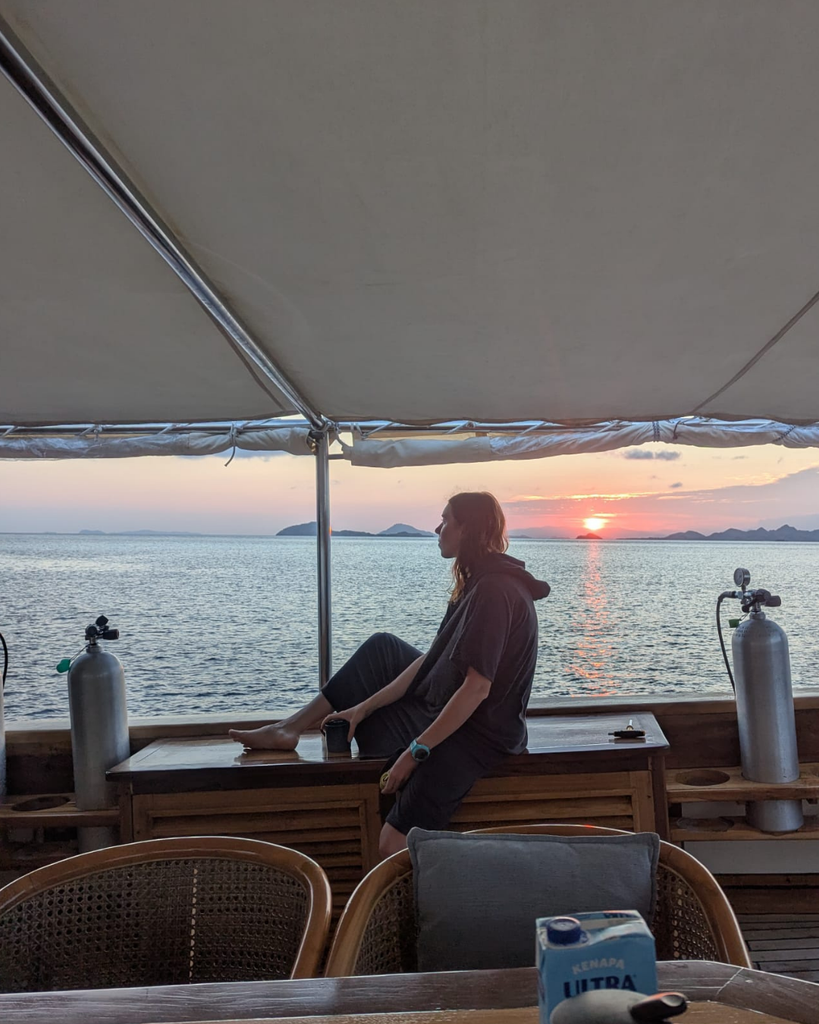
By the end of a trip, the dive deck feels familiar. You know the routine, the crew and the place where your equipment belongs. Yet the water beyond the boat continues to change.
That combination is what makes liveaboard diving so effective. Scuba Junkie KLM Eliya provides a stable home while the route introduces new sites, conditions and perspectives. You have enough consistency to settle in and enough variety to keep learning.
You may leave with smoother preparation, clearer buddy communication or more confidence in unfamiliar conditions. You may simply become a little more patient and observant. None of those changes comes from the boat alone. They come from what repeated, varied diving asks you to notice.
Liveaboard diving takes you to different destinations. Somewhere along the way, it can also change the way you enter the water.
It can create frequent opportunities to practise preparation, buoyancy, communication and awareness in different conditions. Improvement is not automatic, however. It depends on attention, feedback, appropriate training and a willingness to skip a dive or ask for support when needed.
Requirements depend on the destination and itinerary. Some routes are suitable for a wider range of certified divers, while others require an Advanced Open Water certification, a Deep Specialty or recent experience. Always check the specific trip requirements before booking.
No. Guests can skip any dive. Rest, hydration and honest communication are important during multi-day diving, and choosing a longer surface interval can improve the rest of the trip.
The standard 6D5N Komodo itinerary aims for up to 20 dives. The final schedule depends on conditions and any land excursions included during the trip.
Site choices and timing respond to currents, tides, weather, diver experience, guest requests and operational decisions. Flexibility allows the team to select the most suitable plan for the conditions at the time.
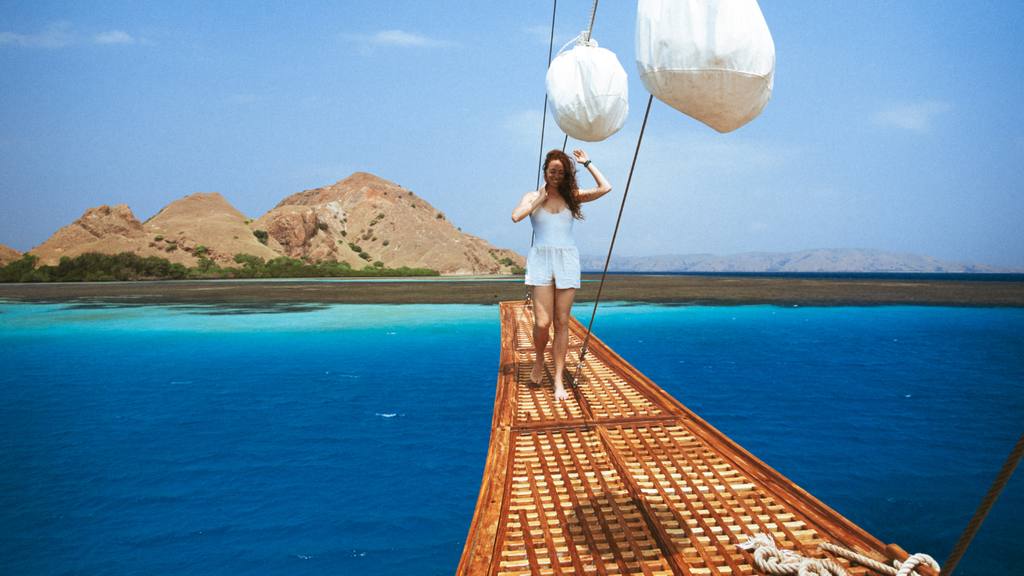
A liveaboard day aboard Scuba Junkie KLM Eliya begins before most alarm clocks would be considered polite. At around six in the morning, the boat is already awake in small ways. The crew is moving, the first drinks are being prepared and a few guests have found their way to the deck to watch the islands appear in the early light.
It is an early start, but there is something different about waking up close to the first dive site. There is no drive to the harbour, no daily equipment transfer and no long journey from town before the diving begins. You wake up where the next part of the trip is already waiting.
The exact liveaboard day schedule can change according to conditions and the plans made by the Cruise Director. That flexibility is part of the experience. Still, a full day in Komodo often follows a familiar rhythm: three daytime dives, a sunset or night dive, meals between them and enough quiet moments to remember that being onboard is part of the trip too.
Before the first dive, there is time for tea, coffee and something light to eat. Then comes the briefing.
The guide explains the site, expected conditions, entry and exit, maximum depth, route, signals and what the group may encounter. The briefing is also the moment to raise a concern, ask a question or mention how you are feeling. Conditions can change, and the dive plan needs to reflect the people entering the water as well as the site itself.
Divers are grouped according to their experience and comfort. This helps the team plan dives that suit the group while keeping communication and safety clear.
Once everyone is ready, the tenders take the groups to the entry point. The day has barely started on land, but your first dive is already underway.
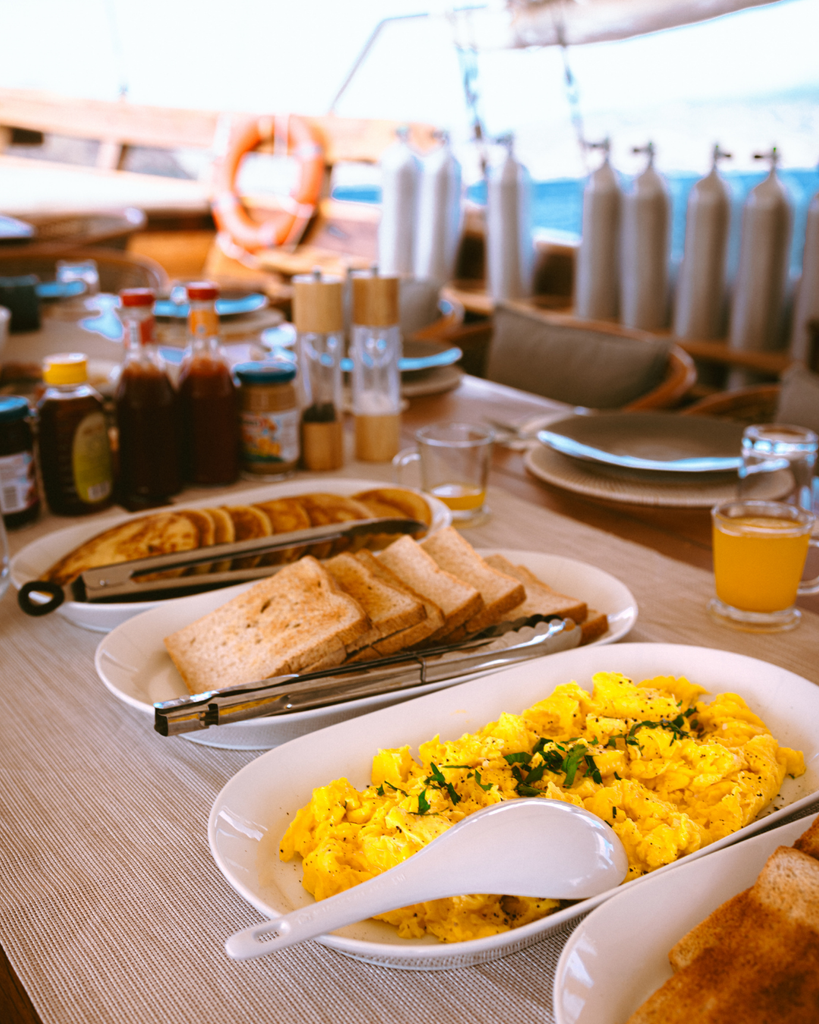
The first dive changes the mood of the morning. Guests return to Scuba Junkie KLM Eliya carrying the small rush that follows a good dive, along with the immediate need to discuss what everyone saw.
By the time wetsuits are hanging and cameras are back on the table, breakfast is ready. A hot meal after the first dive is one of the most satisfying parts of a liveaboard day. It is also when separate dive groups compare notes and discover that two teams at the same site may have noticed completely different things.
While guests eat, the boat continues moving. The next dive site is not another journey that must be organised. It is already part of the day.
Late morning usually brings the second dive. Even when the next site is nearby, its character may be completely different. Komodo can move from a wide coral garden to a current-shaped channel, a dramatic pinnacle or an area where slowing down reveals the smaller marine life.
This variety is one reason a liveaboard day rarely feels repetitive. The routine becomes comfortable, but the diving keeps changing. Different topography, light, current and marine life require the diver to pay attention again rather than entering the water on autopilot.
Marine-life encounters are never guaranteed. The site may offer the animal everyone hoped for, or it may become memorable for something nobody expected. The ocean chooses that part.
After the second dive, lunch creates a natural pause. During a liveaboard day, there is time to eat, hydrate, rest, review photographs or simply look outside while Scuba Junkie KLM Eliya moves to the next area.
Rest is not wasted time on a trip with several dives each day. Multi-day diving asks guests to pay attention to energy, hydration and how they feel. There is no prize for completing every possible dive if your body is asking for a break.
Some guests head to their cabins. Others find a shaded place on deck, check their cameras or continue a conversation that began at breakfast. This slower middle section gives a liveaboard day its balance. The diving provides the structure, but the spaces between dives keep the pace enjoyable.
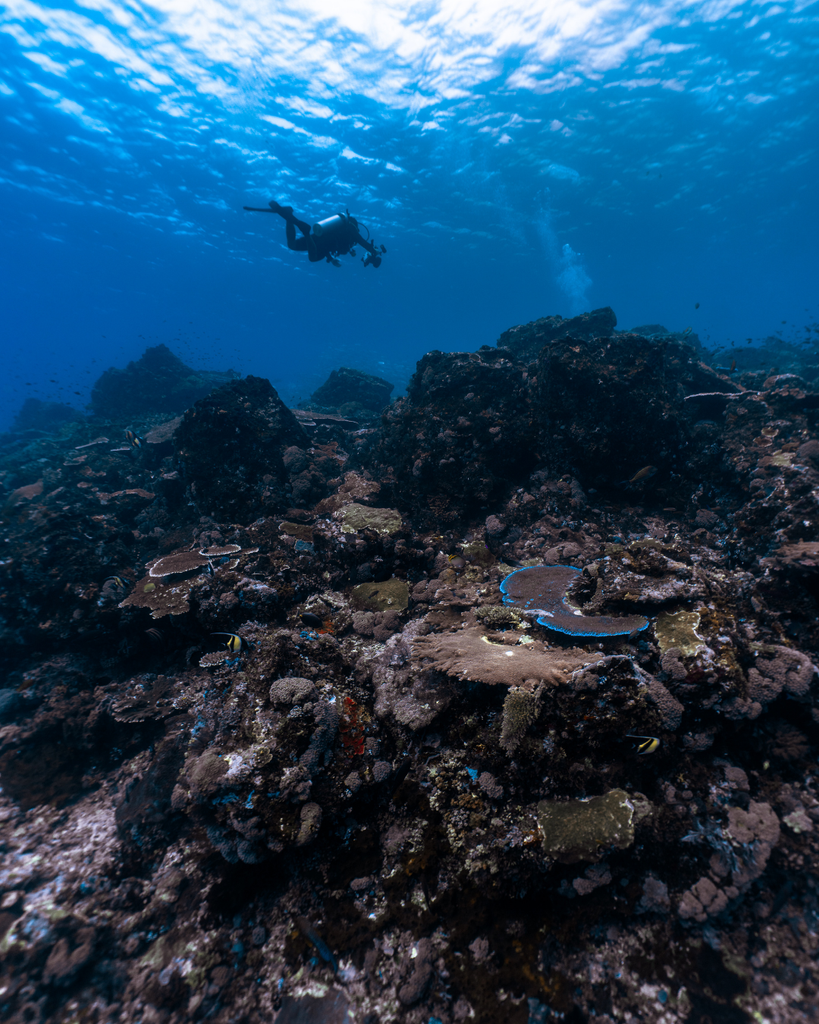
The third dive normally takes place later in the afternoon. By this point in the liveaboard day, the light has changed and the day has settled into its rhythm. Equipment is familiar, buddy communication feels easier and everyone knows where to be.
That efficiency does not mean rushing. It means less attention is spent on small logistical questions and more can be given to the dive itself.
The afternoon may also include a land or nature excursion, depending on the route and conditions. Komodo is not only an underwater destination. Pink beaches, island viewpoints, flying foxes and the chance to see Komodo dragons can all become part of the itinerary. The exact excursions and timing vary from trip to trip.
For many divers, the final entry is the one that makes the day feel complete. A sunset dive catches the reef during a transition, while a night dive turns attention toward animals and behaviours that may remain hidden during daylight.
The final dive is not identical every evening. Its timing depends on the site and the broader plan, and dinner may be served before or after it. What remains consistent is the feeling of returning to the boat when the day outside has become quiet.
Four dives can sound intense when written as a number. Lived as a liveaboard day, they are separated by meals, surface intervals, boat passages and rest. Each dive has its own beginning and ending rather than feeling like one long session underwater.
Guests are also free to skip a dive. Listening to your body and speaking honestly with the team are part of responsible multi-day diving.
After the final dive, the deck gradually becomes quieter. Equipment is put away, cameras are checked and dinner brings everyone back together.
This is often when the best stories surface. Someone finally finds the photograph they were hoping for. Another guest describes an encounter that happened while the rest of the group was looking in the opposite direction. The guides answer questions, tomorrow’s possibilities begin to appear and the day slowly becomes part of the trip’s shared memory.
No itinerary can fully describe this part of a liveaboard day. A schedule can list the dives and meals, but it cannot predict the conversation, the joke that follows the group for the rest of the week or the quiet moment when everyone realises how far they are from their normal routine.
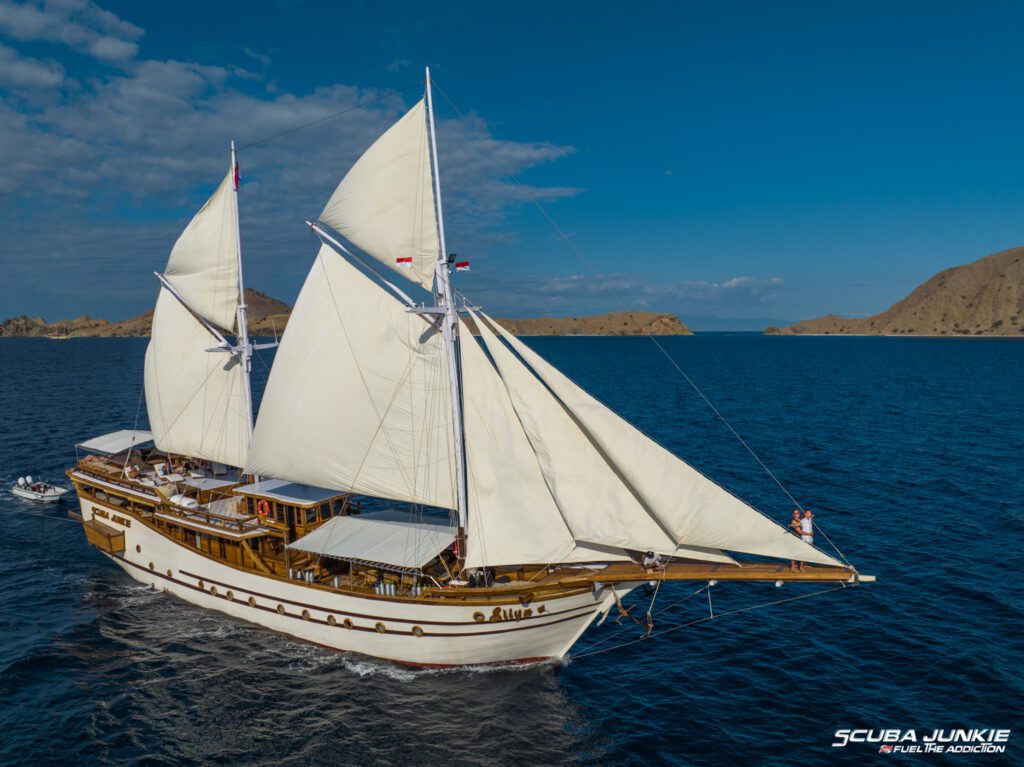
While the guests sleep, the boat may travel toward the next part of Komodo. This is one of the quiet advantages of liveaboard diving. Distance is covered while the day resets.
The next morning begins with the same familiar signals: early light, coffee, briefing and equipment waiting on the dive deck. Yet it will not be the same liveaboard day. The anchorage has changed. The conditions are different. Another reef is waiting, and the ocean has prepared a new version of the plan.
A standard 6D5N Komodo itinerary aims for up to 20 dives, subject to conditions and the land excursions included during the trip. Each liveaboard day contributes to a full schedule, but the experience is not only measured by the number in the logbook. It is also built from the meals, passages, conversations and calm hours that connect one dive to the next.
If you would like to experience a liveaboard day aboard Scuba Junkie KLM Eliya, contact our team to discuss upcoming Komodo, Raja Ampat and Banda Sea itineraries.
WhatsApp: +62 823-4223-7337
Email: liveaboards@scubajunkie.com
On full days, the standard 6D5N itinerary normally aims for three daytime dives and one sunset or night dive. Embarkation and disembarkation days follow a different schedule. Every itinerary remains subject to conditions and operational decisions.
No. Guests can skip a dive whenever they need more rest. Multi-day diving should be enjoyable, and communicating honestly about fatigue, comfort or any concern is always encouraged.
Yes. A typical full day includes a light snack before the first dive, breakfast afterwards, lunch following the second dive and dinner around the sunset or night dive. The exact timing can change with the plan.
No. Currents, tides, weather, route planning, guest experience and excursions can all change the timing. The schedule provides a rhythm, not a rigid promise.
The Komodo itinerary aims to include land and nature excursions, but the activity and timing depend on the route and conditions. The Cruise Director explains the current plan during the welcome briefing.
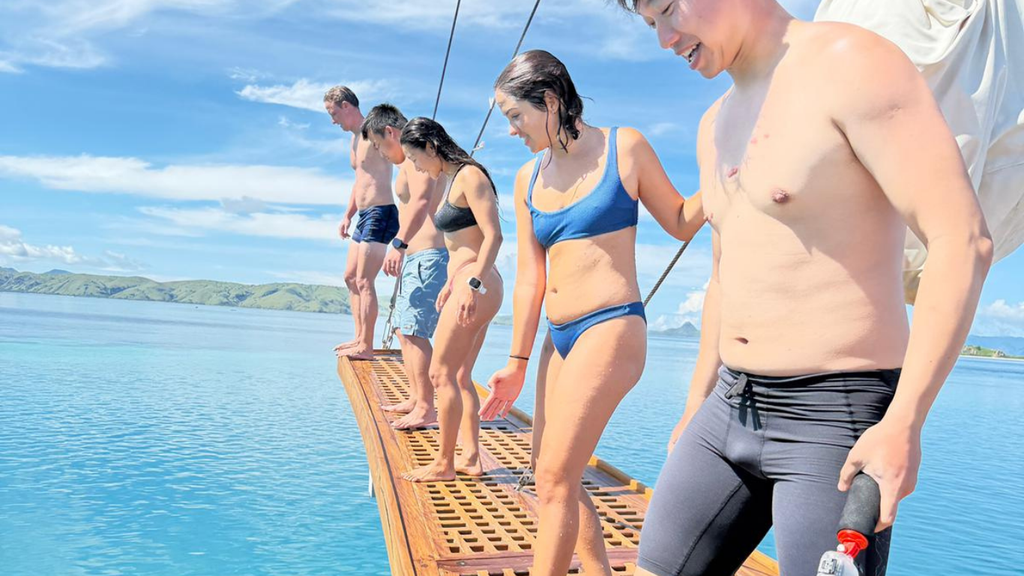
Every liveaboard experience begins with a plan, but the ocean decides how that plan unfolds. You can return to the same destination, step aboard the same boat and even revisit a favourite dive site, yet the trip will never be an exact copy of the one before.
That is especially true in places such as Komodo, Raja Ampat and the Banda Sea. These destinations may be marked on a map, but they are never static. Currents shift, marine life moves, light changes across the reef and each group brings a different energy onboard. Even you arrive as a different diver, carrying everything you learned on the trips that came before.
Returning is not repeating. It is giving a place the chance to show you another side of itself.
The ocean does not follow a fixed script. Conditions that created a gentle dive one week may bring stronger current the next. A reef covered in schooling fish during one visit may reveal its smaller residents on another. Visibility, water temperature, tides and sunlight all influence what a dive looks and feels like.
This natural variation is part of every liveaboard experience. Divers often remember a site by name, but the name only tells us where the dive begins. It cannot tell us where the fish will gather, whether a manta will pass overhead or which corner of the reef will hold everyone’s attention that day.
Wildlife sightings can never be guaranteed, and that honesty matters. Marine animals move freely. A return trip may bring the encounter you hoped for, but it may also introduce you to something you had never thought to look for. The uncertainty is not a flaw. It is what keeps the ocean wild.
A liveaboard itinerary is a carefully considered plan, not a rigid checklist. In Komodo, the dive team looks at currents, tides, weather, diver experience and guest requests before deciding where and when the group should enter the water.
That flexibility is not a lack of planning. It is better planning.
It allows the crew to choose the most suitable dives for the conditions in front of them instead of forcing every departure through exactly the same route. One trip may find its strongest moments in northern Komodo, while another spends more time in central or southern areas. Two departures may visit some of the same sites, but a different order and timing can transform the whole liveaboard experience.
The same principle applies beyond Komodo. Raja Ampat and the Banda Sea have their own seasons, weather patterns and possibilities. On every route, the goal is not to reproduce a previous week. It is to make thoughtful decisions for the week taking place now.
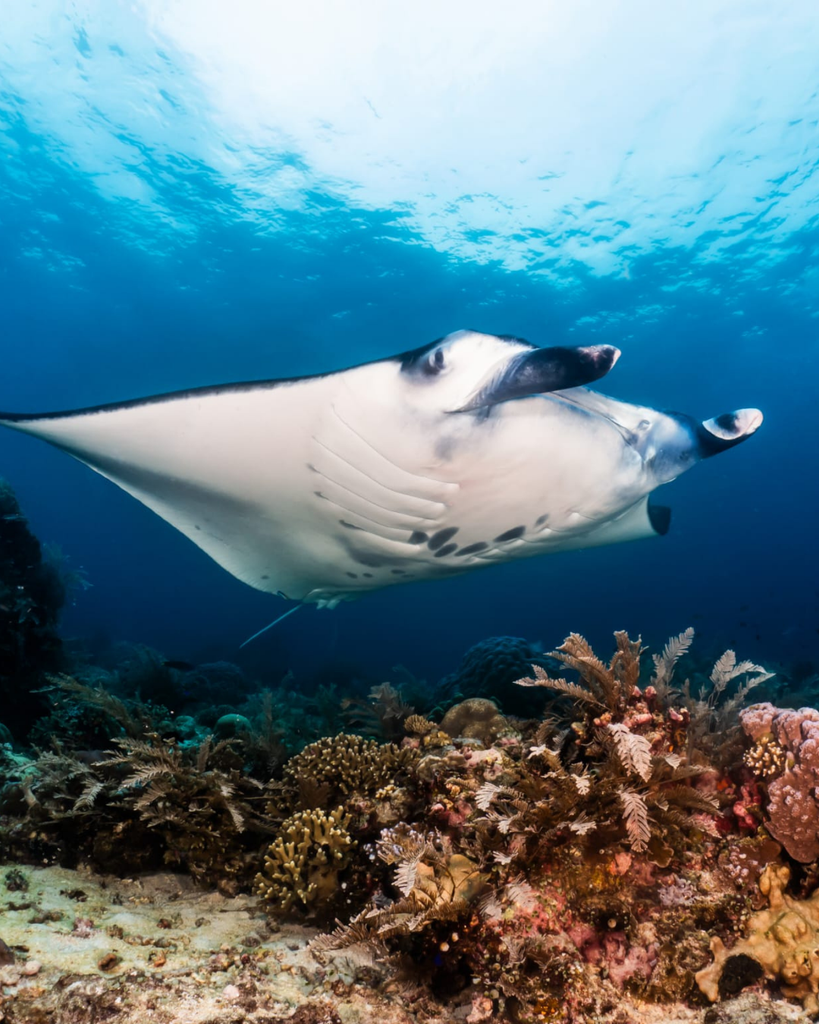
Returning divers sometimes wonder whether revisiting a destination means seeing the same reefs again. It may include a favourite site, but the dive itself will not stand still.
A change in current can alter the route across the reef and the behaviour of the marine life. Fish may gather in another area. Sharks may patrol closer to the action. A manta cleaning station may be busy, quiet or full of surprises. The coral may be familiar, but the movement around it creates a new scene.
Your attention changes as well. On a first Komodo liveaboard experience, you may be absorbed by the scale of the reef, the current and the larger animals. On a later trip, you may have enough calm and confidence to notice a camouflaged frogfish, a tiny nudibranch or the behaviour of a single fish defending its territory.
Returning does not always mean finding a completely different place. Sometimes it means finally seeing what was there all along.
The ocean may lead the trip, but the people onboard give it a personality.
Every group develops its own rhythm. Some guests are waiting on the dive deck before the briefing begins. Others become devoted to the post-dive snack routine. Some evenings stretch into long conversations under the stars, while others become quiet early because everyone has happily run out of energy.
Over several days, strangers share dive stories, compare photographs, help one another with equipment and laugh about moments that make sense only to the people who were there. A new mix of guests changes the mood at the table, on deck and in the water. That chemistry becomes part of the liveaboard experience, and it cannot be recreated on demand.
The dive team also considers the experience and comfort of the guests when planning groups. Divers are not simply placed together as one large unit. Thoughtful grouping supports safer, more enjoyable dives and gives each person more space to settle into the trip.
Even if the ocean somehow stayed exactly the same, you would not.
Perhaps your buoyancy has improved. You may feel more relaxed in current, use your air more efficiently or have started taking underwater photographs. A site that once required all your concentration may feel more comfortable the next time, leaving you free to notice the wider reef and the smaller details within it.
This is one of the quiet rewards of a second liveaboard experience. You are not only discovering how the destination has changed. You are discovering how you have changed inside it.
For anyone who felt slightly overwhelmed on a first visit to Komodo, returning can be particularly rewarding. The daily rhythm feels familiar, the equipment routine is easier and there is less energy spent anticipating every unknown. Familiarity does not remove the excitement. It creates more room to enjoy it.
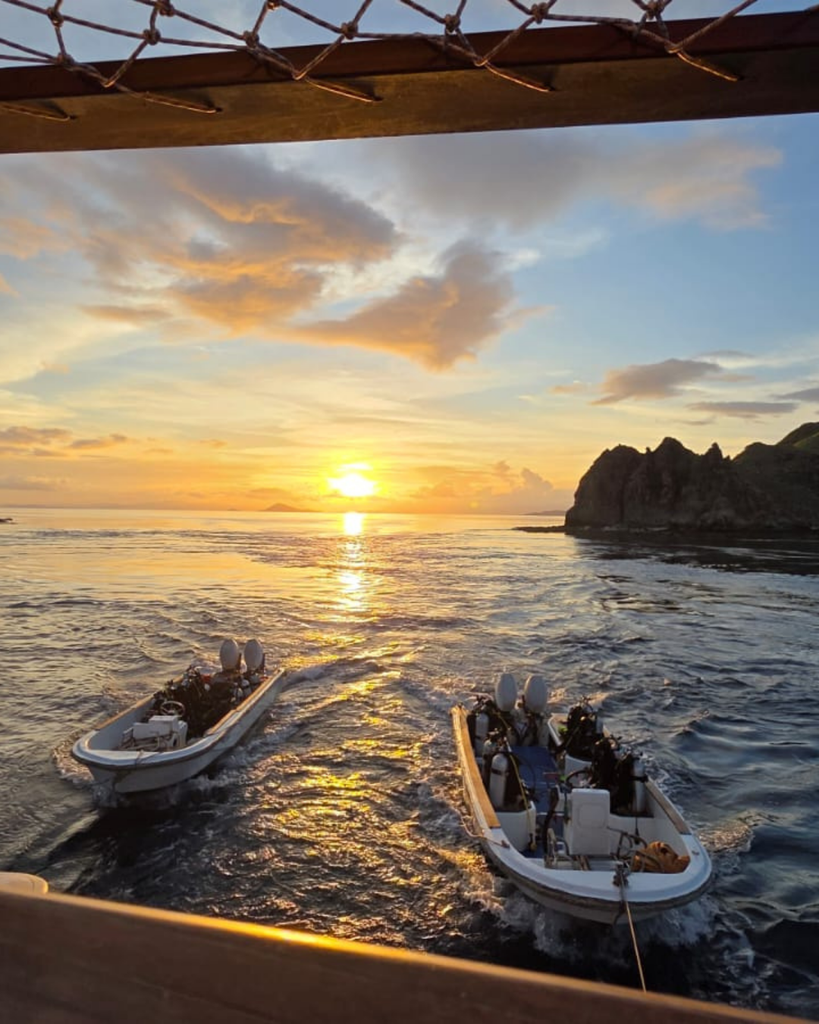
Not every important moment happens underwater. The hours between dives shape the memories too.
A liveaboard experience aboard Scuba Junkie KLM Eliya might begin with early coffee on deck as the islands slowly come into view. Later, meals turn into conversations, surface intervals are spent looking through photographs and the day closes with a sunset from a new anchorage. There is also the simple comfort of returning from a dive to find the next tank being prepared and something good waiting to eat.
On another departure, the view may be recognisable, but the weather, conversations, shared jokes and small routines will be new. These moments are difficult to plan and impossible to reproduce exactly. They are often the reason a trip stays vivid long after the individual dives begin to blend together.
The boat provides a familiar home at sea, but what happens within that space belongs to one particular group and one particular week.
Coming back does not mean trying to recreate the first trip. It means arriving with curiosity about what will be different.
You might revisit a favourite site in completely new conditions. You might finally encounter an animal you missed before, or become fascinated by something you barely noticed the first time. You may arrive hoping for one specific moment and leave talking about something no one could have predicted.
This is why a second liveaboard experience can feel as exciting as the first, but in a different way. The first trip brings discovery. The next adds recognition, confidence and a deeper understanding of the place. It is less about ticking off a destination and more about building a relationship with it.
For previous guests, Scuba Junkie KLM Eliya may feel familiar as soon as they step aboard. Then the ocean begins changing the details.
Same boat. Same destination. A completely different week.
No. Conditions, routes, marine life, guest dynamics and your own development as a diver all influence the trip. Even departures aboard the same boat and in the same destination will unfold differently.
Some favourite locations may appear on more than one itinerary, but routes are not fixed. The dive team selects sites according to currents, tides, weather, diver experience, guest requests and the overall plan for the trip. Safety and conditions guide the final decisions.
Possibly, but wildlife encounters can never be guaranteed. Animals move freely, and sightings change with location, conditions and luck. Even at a familiar site, the behaviour and atmosphere of the dive may be completely different.
No. Scuba Junkie Liveaboards groups divers according to experience and comfort so that everyone can enjoy dives suited to their ability while supporting safe group planning.
The standard 6D5N Komodo itinerary aims for up to 20 dives. The exact schedule can vary according to conditions and any land excursions included during the trip.
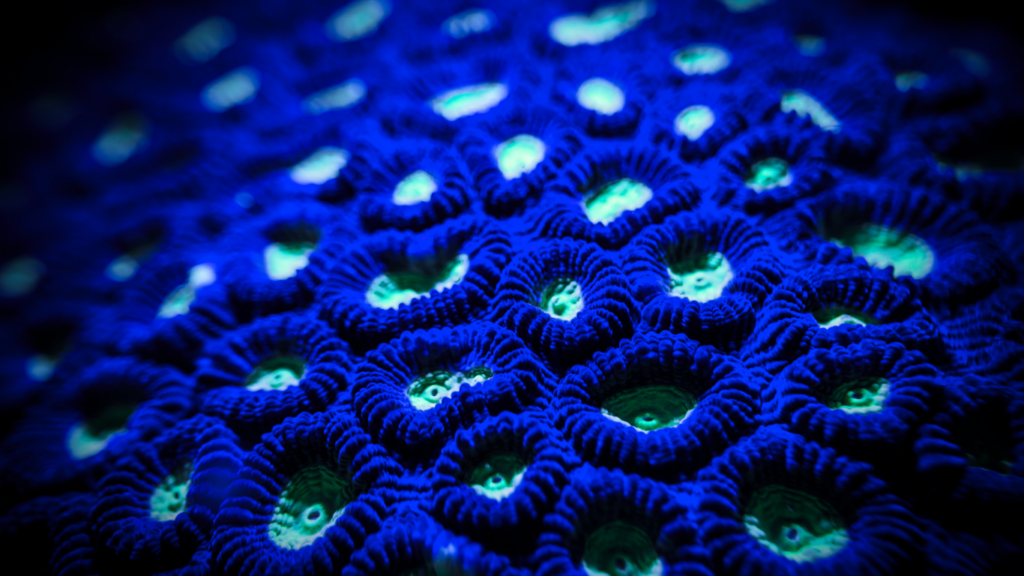
At first glance, the photographs almost looked edited.
Bright greens, electric oranges and glowing reds seemed to shine from the reef, transforming an ordinary coral into something that looked more at home in a science fiction film than beneath the ocean’s surface.
But nothing had been enhanced on a computer.
Those colours were already there.
They simply needed the right light to reveal them.
One of our guests recently shared a collection of these incredible images after a night dive, reminding us that coral reefs still have plenty of surprises waiting for those willing to explore after sunset. What many people call “glowing corals” is actually known as coral fluorescence, a natural phenomenon that has fascinated scientists, underwater photographers and divers for years.
Once you understand how it works, you’ll never look at a night dive in quite the same way again.
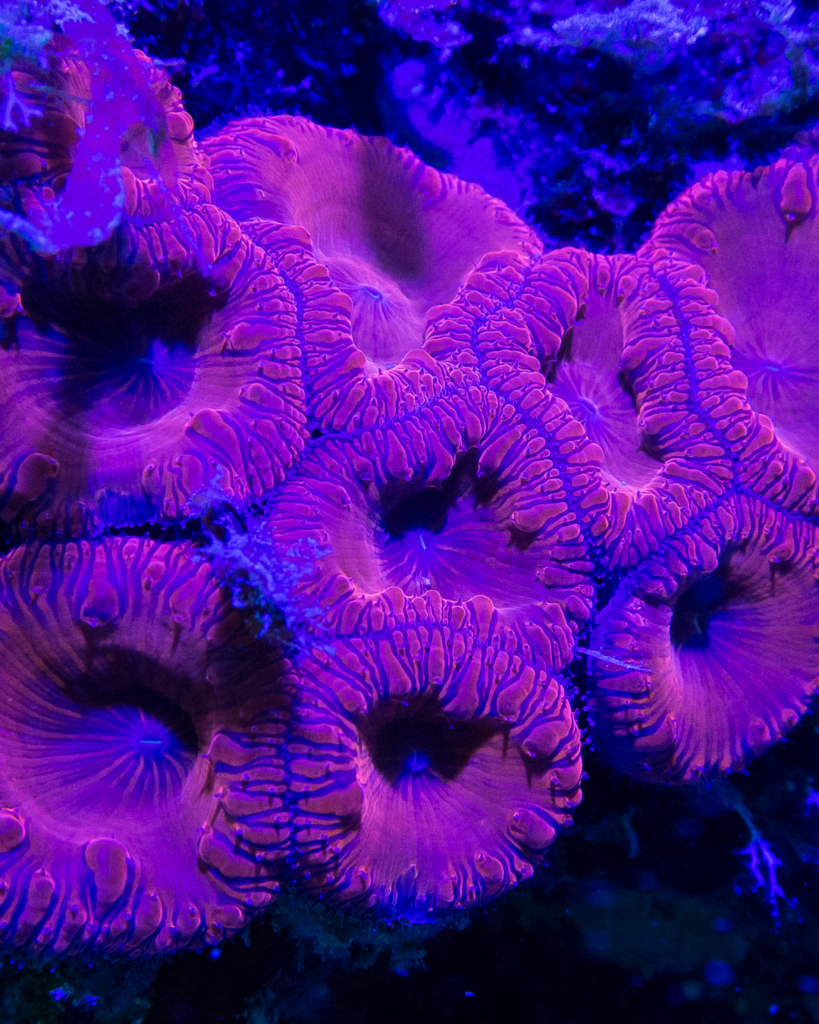
Despite the spectacular colours, corals are not producing their own light.
This is one of the biggest misconceptions about coral fluorescence.
Instead, certain coral species contain special fluorescent proteins within their tissues. When these proteins are illuminated with high-energy blue or ultraviolet light, they absorb that light and immediately re-emit it at a different wavelength. This is what creates the vivid green, orange, yellow and red colours that photographers love to capture.
In other words, the coral isn’t glowing in the dark on its own. It is responding to a specific type of light, much like fluorescent ink or certain minerals under ultraviolet light.
Understanding this difference is important because coral fluorescence is often confused with another natural phenomenon: bioluminescence.
Although both phenomena can appear magical underwater, they work in completely different ways.
Bioluminescence is the production of light through a chemical reaction inside an organism. It is the reason why some jellyfish, plankton and deep-sea animals can generate their own light.
Coral fluorescence, however, depends on an external light source. Without blue excitation light, the fluorescent colours remain hidden from our eyes.
It’s a subtle difference, but an important one.
The reef isn’t changing at night.
Our ability to see a hidden layer of colour is.
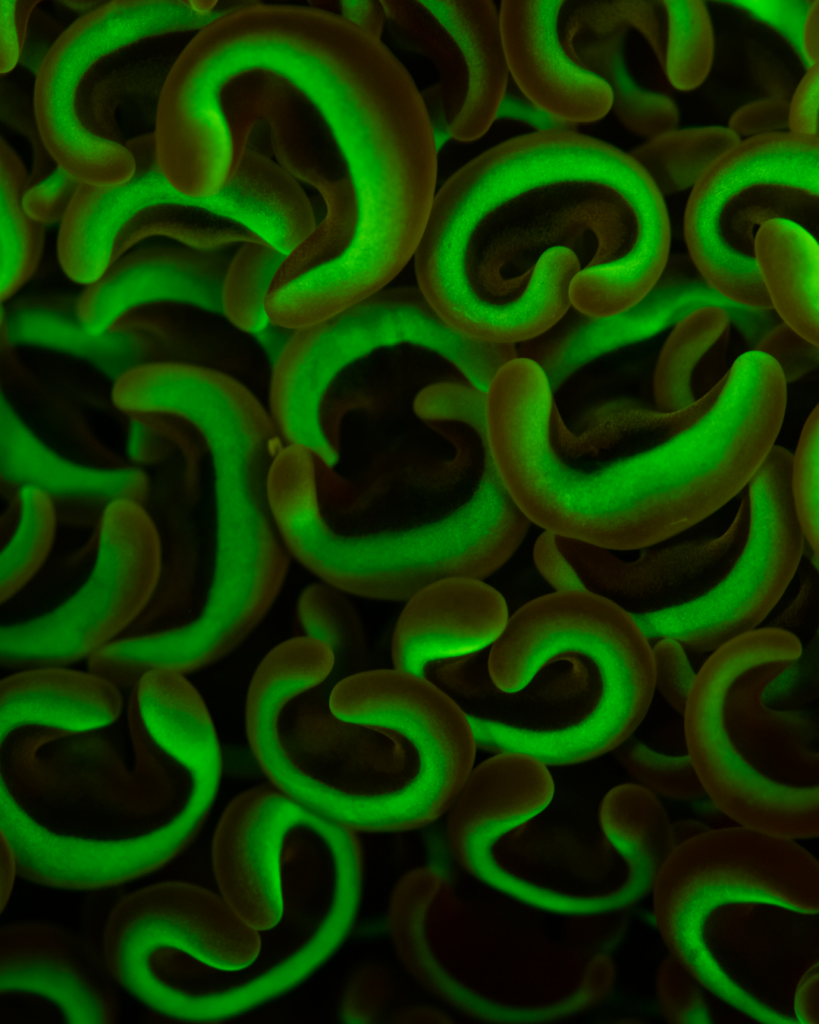
This is where things become particularly interesting.
Scientists understand very well how coral fluorescence works, but they are still investigating exactly why corals produce these fluorescent proteins. Several theories have been proposed, and it is likely that different species use fluorescence for different purposes.
One leading hypothesis suggests that fluorescent proteins may help protect coral tissues from intense sunlight by absorbing high-energy light before it can cause damage. Another suggests they may help regulate the amount of light reaching the microscopic algae that live inside coral tissues and provide much of the coral’s energy through photosynthesis. Other studies indicate these proteins may also play a role in deeper reefs where sunlight is limited, helping corals make better use of the available light.
The important thing is that research is still ongoing.
Like many aspects of coral reef ecology, coral fluorescence continues to reveal new questions every year.
The good news is that you don’t need to be a scientist to experience it.
Special blue dive lights combined with a yellow barrier filter allow divers to see fluorescent colours that remain invisible during a normal night dive. The blue light excites the fluorescent proteins, while the yellow filter blocks most of the reflected blue light, allowing the glowing colours to stand out against the darkness.
The result is unlike anything most divers have seen before.
Corals that appear brown or pale during the day suddenly reveal brilliant colours, while many other reef organisms also display unexpected patterns of fluorescence.
It’s almost like discovering an entirely new reef without changing dive sites.
Wherever healthy reef-building corals grow, there is a good chance that at least some species display coral fluorescence.
Indonesia’s coral reefs are no exception.
Whether you’re exploring the colourful reefs of Komodo, the extraordinary biodiversity of Raja Ampat or the remote coral gardens of the Banda Sea, fluorescent corals can be found throughout these ecosystems. The phenomenon is not unique to one destination but is instead a hidden characteristic of many reef-building coral species around the world.
Of course, seeing these colours requires the right equipment and conditions, which is why fluorescence dives have become increasingly popular among underwater photographers and curious divers alike.
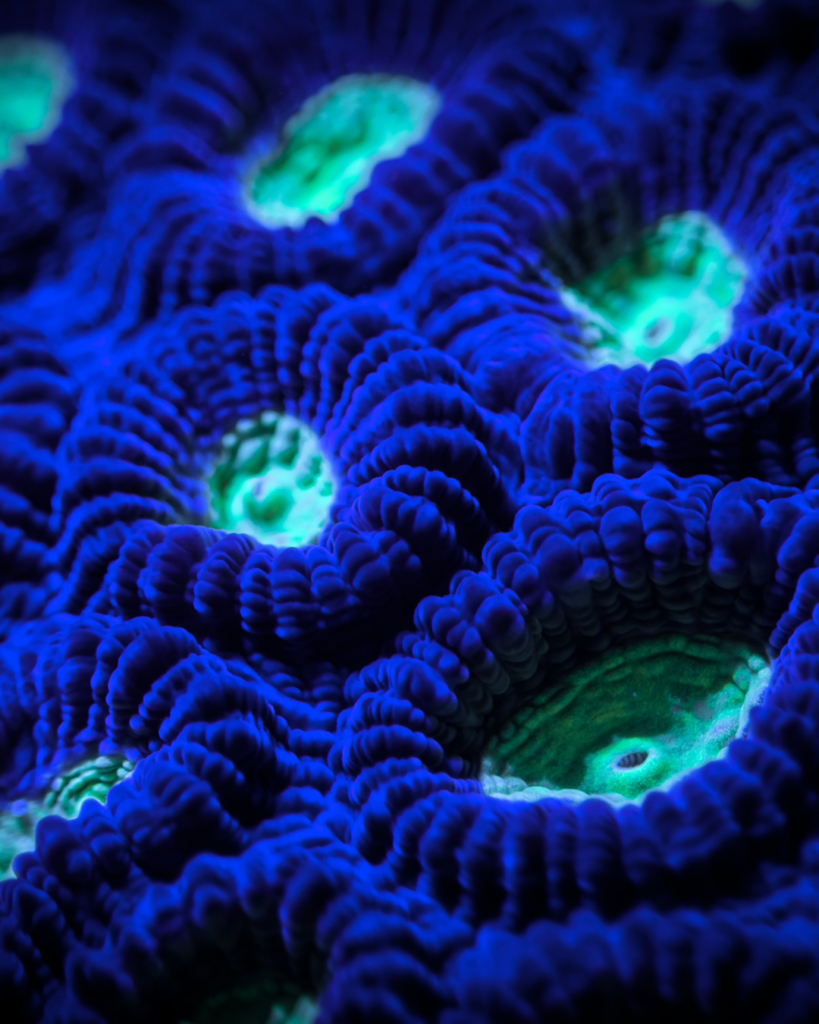
Night diving already offers a completely different perspective on the reef.
Nocturnal animals emerge from their hiding places, hunting behaviour changes and familiar dive sites suddenly feel completely new.
Adding coral fluorescence takes that experience one step further.
Instead of simply exploring the reef after dark, divers are given the opportunity to see colours that remain hidden during the day. It becomes less about finding rare marine life and more about discovering details that have been there all along.
Almost every evening aboard Scuba Junkie KLM Eliya in Komodo, guests have the opportunity to enjoy a night dive. While fluorescent dives require specialised equipment, every night descent offers the chance to experience a side of the reef that many divers never forget.
It’s easy to think we’ve already discovered everything a coral reef has to offer.
After all, millions of people dive, snorkel and photograph reefs every year.
Yet something as simple as changing the colour of a dive light can reveal an entirely different world.
Perhaps that’s one of the reasons coral reefs continue to fascinate scientists and divers alike.
The reef hasn’t changed.
We have simply learned to look at it differently.
Coral fluorescence is the process by which fluorescent proteins in coral tissues absorb blue or ultraviolet light and re-emit it as green, orange, yellow or red light.
No. Bioluminescence produces light through a chemical reaction, while coral fluorescence requires an external blue or ultraviolet light source.
Not usually. The effect is best observed at night using specialised blue lights and yellow barrier filters.
Scientists are still studying the exact purpose of coral fluorescence. Current research suggests it may help protect corals from excess light or regulate light reaching their symbiotic algae.
Fluorescent corals can be found on healthy coral reefs around the world, including Komodo, Raja Ampat and the Banda Sea.
Yes. With the correct blue excitation light, yellow filter and camera settings, underwater photographers can capture the incredible colours produced by coral fluorescence.
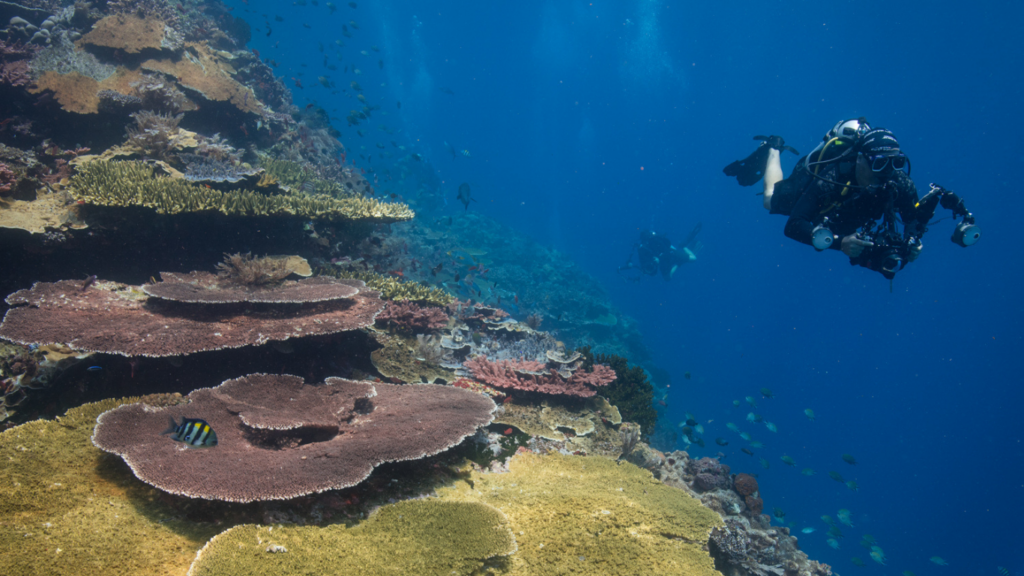
Ask a group of divers how they felt before their first drift diving experience and you’ll probably hear the same answer more than once.
“I was nervous.”
It’s a completely normal reaction.
From the very beginning of our diving journey, we’re taught to control our movements underwater. We learn buoyancy, finning techniques and navigation, so the idea of diving in moving water can seem intimidating at first. The word current often sounds like something to avoid rather than something to enjoy.
Then comes that first drift dive.
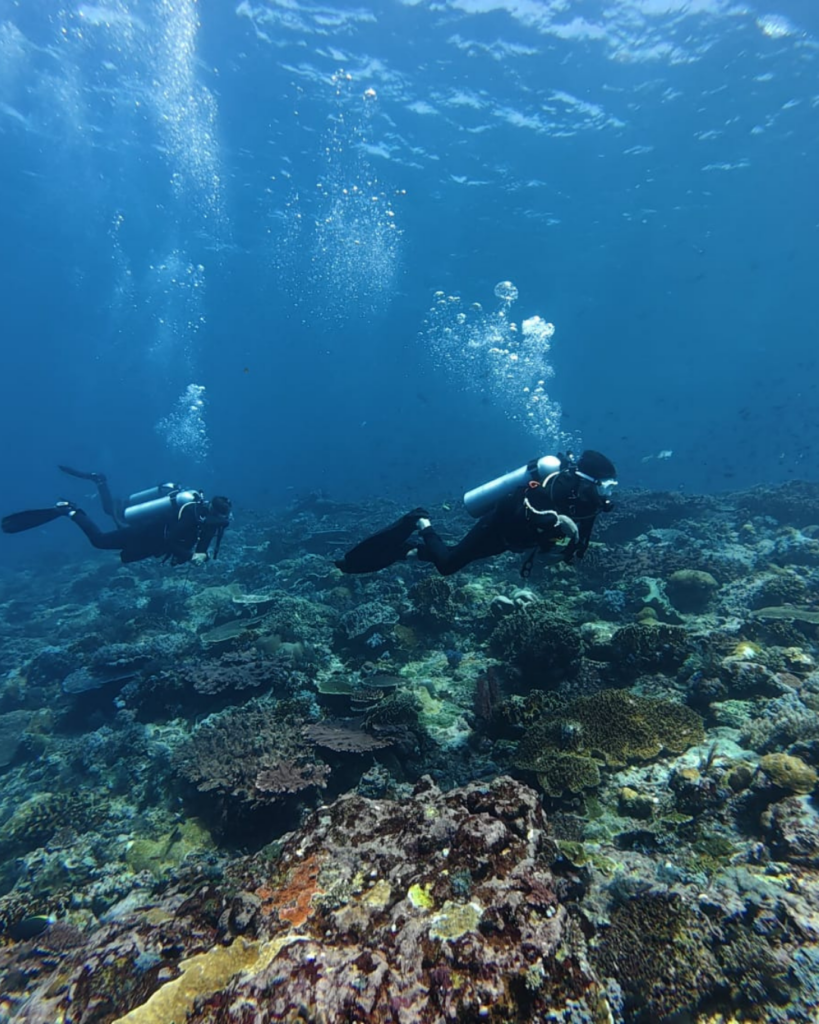
Instead of fighting the water, you realise the current is carrying you effortlessly across the reef. Your breathing slows down, your finning becomes lighter, and before you know it, you’re gliding over coral gardens while schools of fish move alongside you.
That’s usually the moment divers understand why drift diving has become one of the most enjoyable ways to explore the underwater world.
Simply put, drift diving is a dive where the natural movement of the water becomes part of the journey.
Rather than swimming long distances, divers allow the current to carry them across the reef while the dive boat follows from the surface. The route, speed and distance covered all depend on the strength and direction of the current, making every drift dive slightly different from the last.
The goal isn’t to fight the current.
It’s to work with it.
When done correctly, drift diving often feels surprisingly effortless. Instead of focusing on swimming, divers can spend more time observing marine life, enjoying the scenery and maintaining good buoyancy.
It’s one of the reasons experienced divers often describe it as feeling more like flying than swimming.
One of the biggest surprises for new drift divers is how relaxing it can be.
As the current carries you along, the reef unfolds naturally beneath you. Large coral bommies appear one after another, schools of fish move in and out of the blue, and the dive becomes a continuous journey rather than swimming from one point to another.
Because you’re covering a larger area, every few minutes the underwater landscape changes. A colourful coral garden may give way to a dramatic wall, followed by a sandy channel or a reef slope full of marine life.
Many of the world’s most famous dive destinations are known for drift diving because currents bring nutrients into the ecosystem. Those nutrients support healthy coral reefs and attract the incredible diversity of marine life that divers travel across the world to see.
In many cases, the current itself is one of the reasons these reefs are so alive.
Not necessarily.
This is probably the biggest misconception surrounding drift diving.
A drift dive simply means the current is carrying you during the dive. Sometimes that movement is so gentle you barely notice it. Other times, the current is stronger and requires more experience, careful planning and close communication with your guide.
Every dive site is different, and currents can change with the tides, the moon phase and local topography.
This is why two dives at exactly the same site can feel completely different, even if they happen only a few hours apart.
Understanding these changes is one of the reasons local knowledge is so valuable.
Long before divers enter the water, a great deal of planning has already taken place.
Your guide will consider the tide, wind direction, swell, current strength and the experience level of the group before deciding whether a drift dive is appropriate.
At Scuba Junkie Liveaboards, divers are grouped according to their experience and comfort level. This allows every group to enjoy the best possible dive while maintaining high safety standards.
Sometimes this means choosing a gentle drift that’s perfect for building confidence. Other times, experienced divers may explore sites where stronger currents create spectacular underwater conditions.
The decision is never based on finding the strongest current.
It’s about finding the right conditions for that particular group.
The good news is that you don’t need to be an expert to enjoy drift diving, but a few good habits will make your experience much more comfortable.
The most important skill is buoyancy. A diver who is comfortable maintaining neutral buoyancy will find drift diving far easier than someone relying on constant finning to control their position.
Good communication with your buddy and guide is equally important. Before entering the water, make sure you understand the dive plan, entry technique and how the group will stay together throughout the dive.
Finally, remember to relax.
Many new drift divers instinctively try to swim against the current. In reality, allowing yourself to move naturally with the water is usually the most efficient and enjoyable approach.
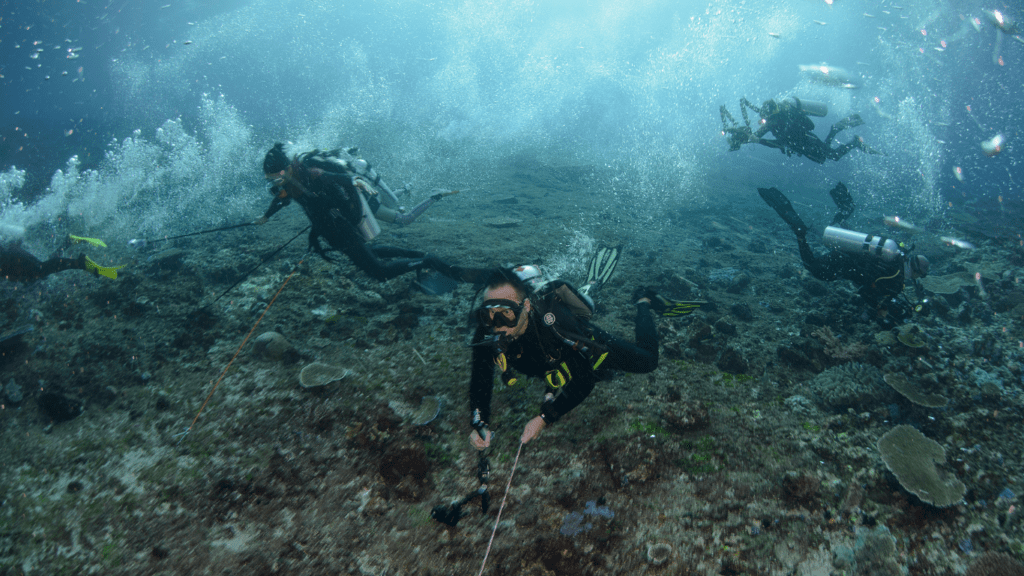
If you’ve researched diving in Indonesia, you’ve probably heard that Komodo National Park is famous for its currents.
There’s a good reason for that.
Komodo sits between the Indian Ocean and the Flores Sea, where enormous volumes of water move through narrow channels as the tides change. This constant movement brings nutrient-rich water into the park, supporting one of the most productive marine ecosystems on the planet.
The result is healthy coral reefs, incredible fish biomass and frequent encounters with larger marine life.
Of course, not every dive in Komodo is a drift dive, and not every drift dive involves strong currents. Conditions vary from site to site and throughout the day, which is why experienced guides carefully choose dive sites based on the conditions and the experience of each dive group.
It’s also worth remembering that at Scuba Junkie Liveaboards, divers are never mixed across very different experience levels. Groups are planned according to certification, experience and confidence in the water, allowing everyone to enjoy Komodo in conditions that suit them.
Perhaps the biggest lesson drift diving teaches us is that not everything underwater needs to be controlled.
Instead of resisting the ocean, we learn to understand it.
We begin to notice the direction of the current, the behaviour of fish and the shape of the reef. We trust our guide, refine our buoyancy and allow the ocean to do much of the work for us.
It’s a different way of diving.
And for many people, after that first drift dive, it’s difficult to imagine diving any other way.
Drift diving is a type of scuba dive where divers allow the current to carry them naturally across the reef instead of swimming long distances.
Yes. When properly planned and conducted with experienced guides, drift diving is a safe and enjoyable style of diving.
Not always. Gentle drift dives are suitable for many certified divers, while stronger currents require more experience. Your dive guide will always select sites appropriate for your group’s experience level.
Komodo’s unique geography creates nutrient-rich currents that support extraordinary marine life, making it one of the world’s best destinations for drift diving.
In most drift dives, no. Divers are encouraged to relax, maintain good buoyancy and move naturally with the current while following the dive plan.
Yes. With the right conditions and experienced guides, many newer divers discover that gentle drift diving is much easier and more enjoyable than they expected.
Planning your next adventure? You might also enjoy:
Some dive trips are built around a single destination.
You spend a week exploring the same reefs before returning home with a logbook full of incredible dives.
A Banda Sea liveaboard expedition is different.
The destination isn’t just one island or one famous dive site. It’s an entire journey across one of Indonesia’s least explored regions, where every few days the landscape, the marine life and even the feeling of the ocean change completely.
This October, our Scuba Junkie KLM Eliya will set sail on her very first Alor to Ambon expedition, kicking off the launch of our new destination, Ambon — one of Indonesia’s finest macro diving capitals, connecting remote islands, volcanic seascapes and historic spice islands in a voyage that is as much about the adventure above the surface as the diving below it.
For divers looking for something beyond the familiar, this is where the next chapter begins.
If you’ve already explored destinations like Komodo or Raja Ampat, the Banda Sea feels different from the moment you arrive.
The distances between islands are greater. The landscapes become more dramatic. Small volcanic peaks rise straight out of the ocean, while tiny coral atolls appear hundreds of kilometres from the nearest city.
Every overnight crossing feels like you’re travelling somewhere new.
And that’s exactly the point.
Rather than diving the same region for a week, this expedition takes you through several completely different ecosystems, each with its own character both above and below the water.
It’s a journey that rewards divers who enjoy discovering what lies beyond the next horizon.
The expedition begins in Alor, a destination already well known among experienced divers for its healthy reefs, colourful coral gardens and impressive biodiversity.
As KLM Eliya heads north, the scenery begins to transform.
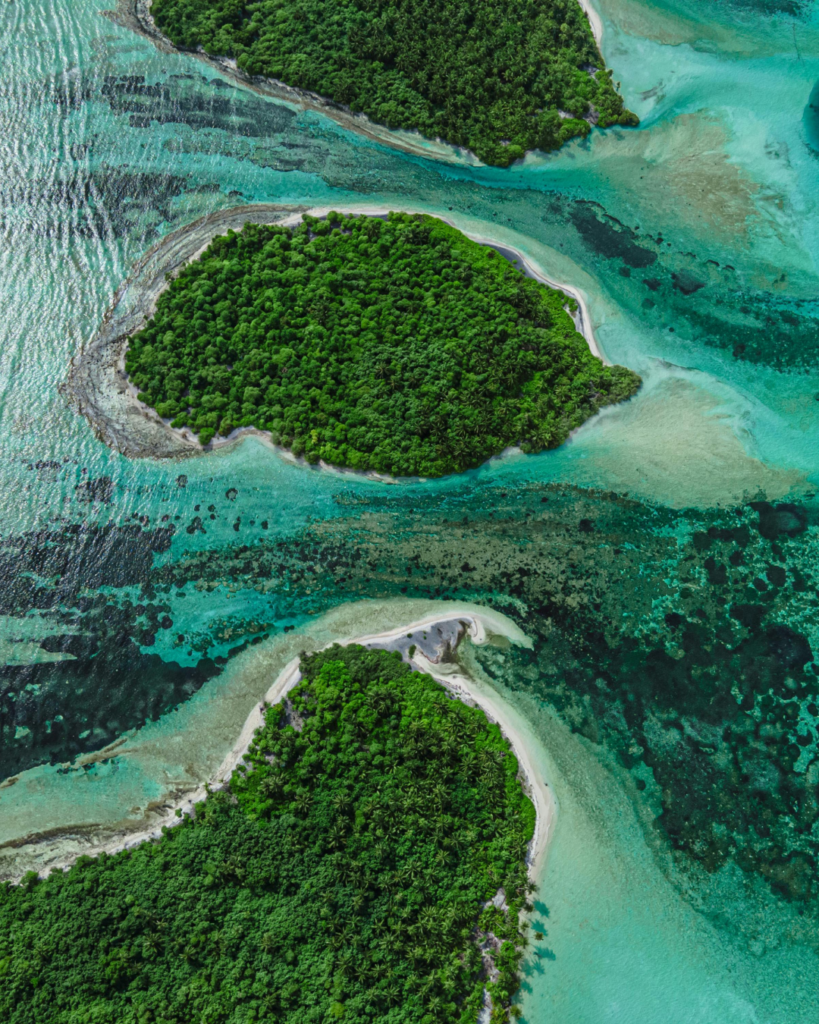
Volcanic islands emerge from the sea, creating dramatic underwater topography shaped by centuries of geological activity. Around Manuk, one of the expedition’s highlights, divers may encounter large numbers of sea snakes weaving effortlessly through the reef while schools of pelagic fish patrol the blue.
A few days later, the reefs change once again.
The remote Lucipara Islands feel almost untouched, with pristine coral formations surrounded by open ocean. Far from busy coastlines, these reefs offer a completely different diving experience, reminding you just how vast Indonesia’s archipelago really is.
Then comes another surprise.
Instead of another remote reef, the expedition arrives at Banda Neira, the historic heart of Indonesia’s spice trade. Walking through its colonial streets after days at sea offers a welcome change of pace before the adventure continues underwater.
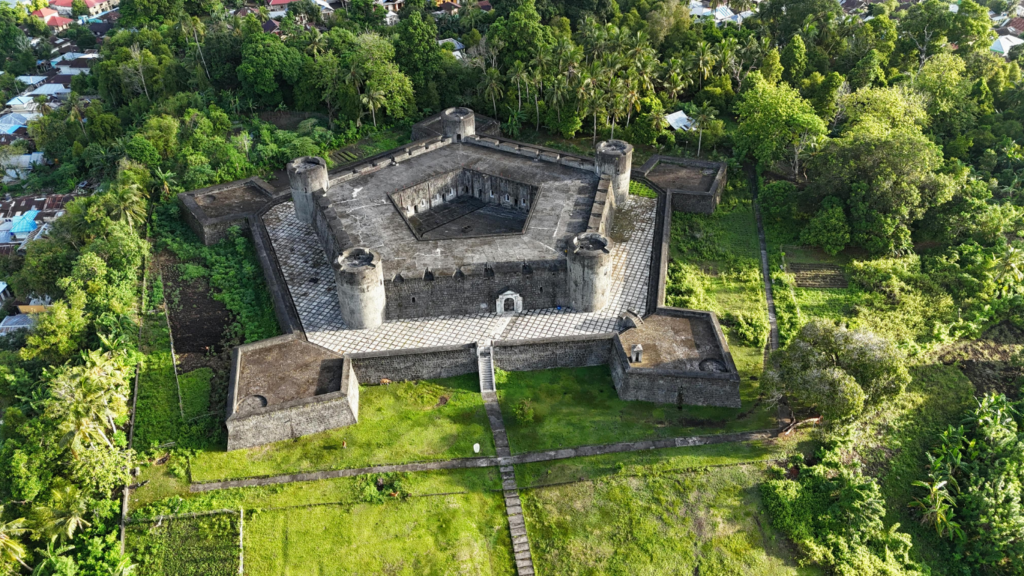
By the time you reach Ambon eleven days later, it feels less like visiting a single destination and more like completing an expedition across several worlds.
Every season in Indonesia offers something different.
For the Banda Sea, October has earned a special reputation.
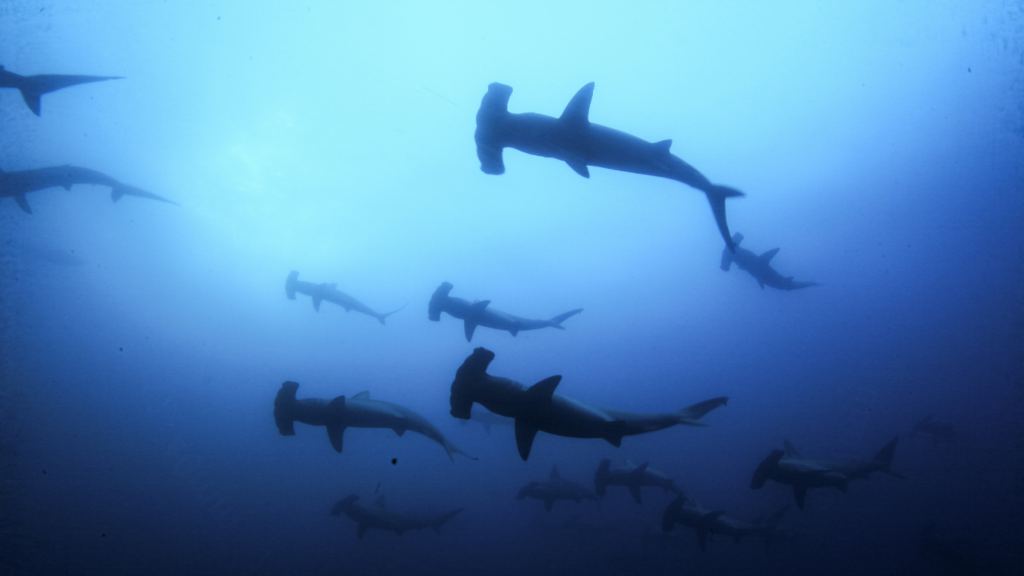
It is traditionally the time of year when divers have the best chance of encountering schooling hammerhead sharks around the Hatta Islands. Like all wildlife encounters, nothing can ever be guaranteed, but generations of divers return during this period hoping to witness one of the ocean’s most iconic sights.
Of course, hammerheads are only part of the story.
Large schools of fish, pelagic species, vibrant reefs and dramatic underwater landscapes make every day feel different from the last.
That unpredictability is part of what makes expedition diving so rewarding.
No two crossings are ever exactly the same.
This isn’t a trip built around ticking famous dive sites off a list.
It’s designed for divers who appreciate exploration.
Over eleven days aboard KLM Eliya, you’ll complete approximately 28 to 30 dives, depending on weather and sea conditions, while travelling through one of Indonesia’s most diverse marine regions.
Some mornings begin beneath towering volcanic islands.
Others start over remote coral reefs with nothing but open ocean stretching to the horizon.
And occasionally, the best moments happen between dives, watching another island slowly appear on the horizon as the crew prepares for the next adventure.
Expeditions are about more than the places you visit.
They’re about the people you share them with.
Aboard KLM Eliya, the goal isn’t simply to show you great dive sites. It’s to create an experience where every part of the journey feels considered, from the dive planning and safety briefings to meals shared around the table after a full day in the water.
As with every Scuba Junkie Liveaboards trip, routes remain flexible, allowing the Cruise Director to adapt the itinerary according to sea conditions and wildlife activity while always putting guest safety first.
That flexibility is one of the reasons expedition diving feels so different from a fixed itinerary.
Nature sets the schedule.
We simply make the most of it.
A New Chapter for Scuba Junkie KLM Eliya
October 2027 marks an exciting milestone as KLM Eliya embarks on her very first October Banda Sea crossing with a three-part Banda Sea Crossing Series that bridges some of Indonesia’s most legendary diving hubs..
The three expeditions that are in this series are:
To celebrate, we’ve got a little surprise planned for guests who have sailed with us before as part of your loyalty reward.
We’re not saying any more just yet…
But if you’ve been part of the Eliya family before, keep an eye on your email (before 31st August 2026).
We think you’ll like it.
If your idea of the perfect dive trip is staying in one place, this probably isn’t it.
But if you enjoy waking up somewhere new, exploring remote islands, and never quite knowing what tomorrow’s dive will bring, then the Banda Sea liveaboard expedition offers something genuinely different.
It’s an adventure that rewards curiosity as much as experience.
And once you’ve crossed from Alor to Ambon, you’ll understand why so many divers describe expedition diving as their favourite way to explore Indonesia.
Scuba Junkie KLM Eliya sails this expedition in October, traditionally the season offering the best chance of encountering schooling hammerhead sharks.
The Alor to Ambon expedition lasts 11 days and 10 nights.
Depending on weather and sea conditions, divers can expect approximately 28 to 30 dives during the expedition.
No. Wildlife encounters are never guaranteed, but October has traditionally offered the best opportunity to encounter schooling hammerheads.
This expedition is designed for experienced divers who enjoy exploration, changing environments and multi-day crossings.
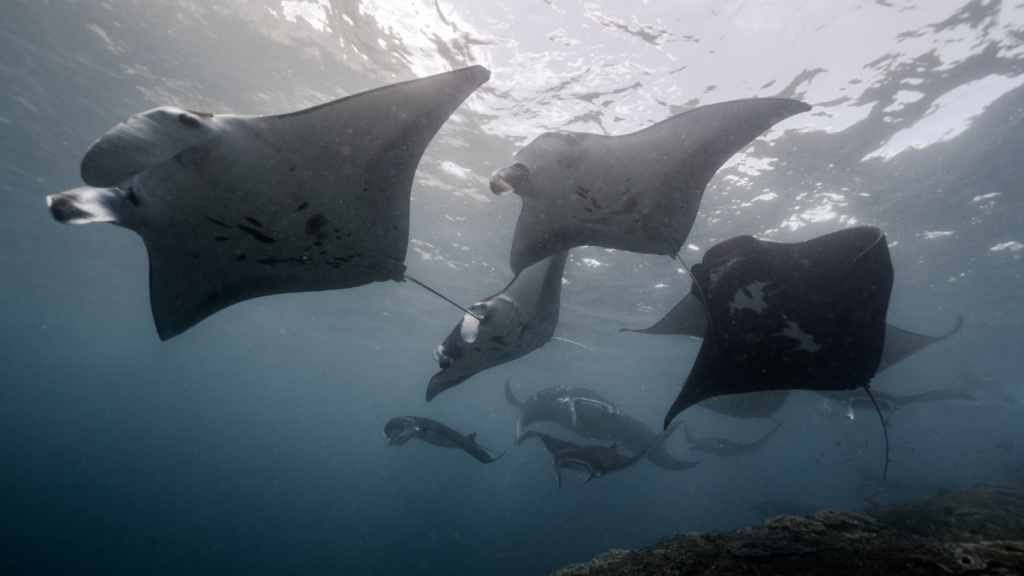
There are moments underwater that leave divers with more questions than answers.
Imagine you’re diving in Komodo and you notice several manta rays swimming together. One animal leads while the others follow closely behind. They seem focused, constantly adjusting their speed and direction together. At first glance, it almost looks choreographed.
Back on the boat, somebody eventually asks the same question.
“What were they doing?”
The answer is actually quite simple.
You were probably watching manta ray courtship or also known as manta mating train.
While it may look like a random gathering, researchers from organisations such as the Marine Megafauna Foundation and Manta Trust have shown that this behavior follows a surprisingly structured process. What divers often call a “manta train” is part of the way these animals find and select a mate.
Everything starts with a female.
As she swims, one male may begin following her. Soon, several more may join in, creating a line of manta rays swimming closely behind one another. Scientists refer to this as a mating train.
What is interesting is that the female is not simply being chased. In fact, she controls the encounter.
Researchers have documented females changing direction, accelerating, descending, and making sudden turns while the males attempt to maintain their position. Over time, some individuals drop away while others remain.
Rather than a race, it is more like a test of endurance.
The female is effectively deciding which males are fit enough to continue.
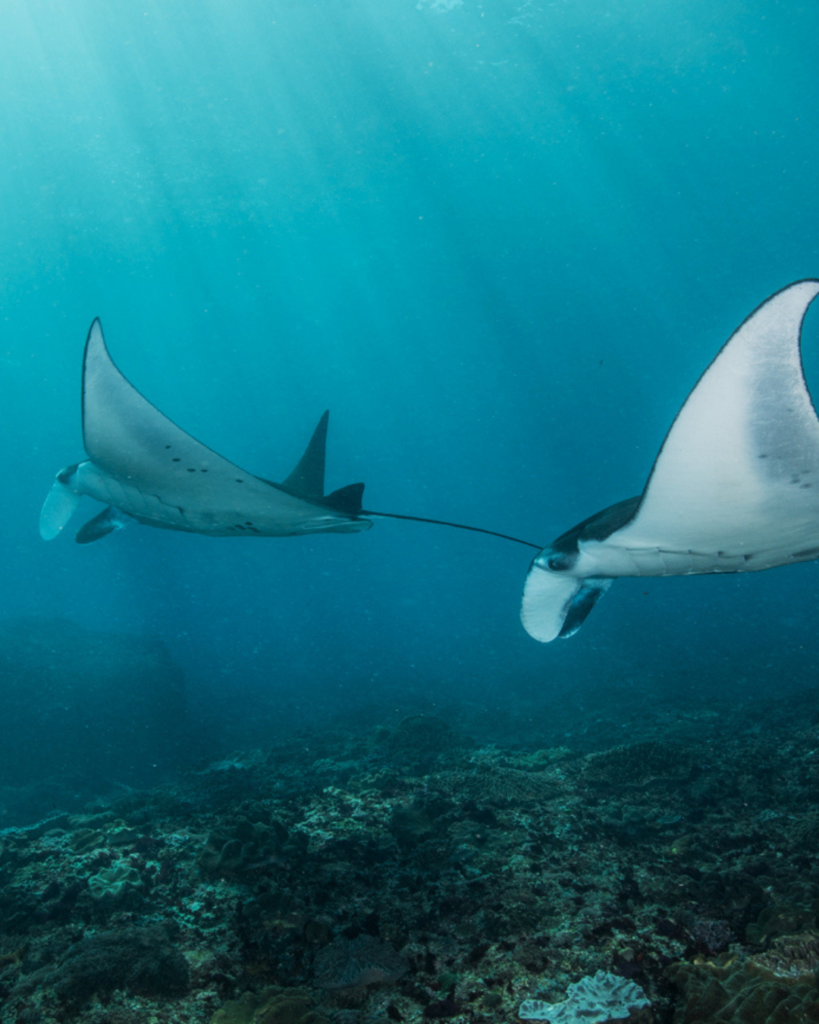
Most divers are lucky enough to witness the beginning of the story. However, very few get to see the end — the happy ending…
According to observations made by manta researchers, once only one male remains, he attempts to grasp the female’s left pectoral fin with his mouth — that’s the only time the manta’s teeth come in use as they’re filter feeders. The pair rotate belly-to-belly and mating takes place.
Surprisingly, after hours of courtship, the actual mating event lasts only a few seconds.
Soon afterwards, the pair separate and disappear back into the blue.
Which explains why most people see courtship trains, but very rarely witness mating itself.
Manta rays do not perform these behaviours everywhere.
Courtship and reproduction require healthy populations, abundant food, and environments where the animals can move with minimal disturbance.
This is one of the reasons marine protected areas are so important.
Protected regions like Komodo National Park provide the conditions that allow manta rays to feed, migrate, and reproduce. But protection alone is not enough. Understanding these animals is equally important.
Organisations such as Marine Megafauna Foundation Indonesia have spent years identifying individual manta rays, tracking their movements, and studying their behaviour. Thanks to this work, scientists now understand much more about how manta populations use Indonesian waters.
And perhaps most importantly, this research helps managers and conservation groups make better decisions to ensure these populations remain healthy for generations to come.
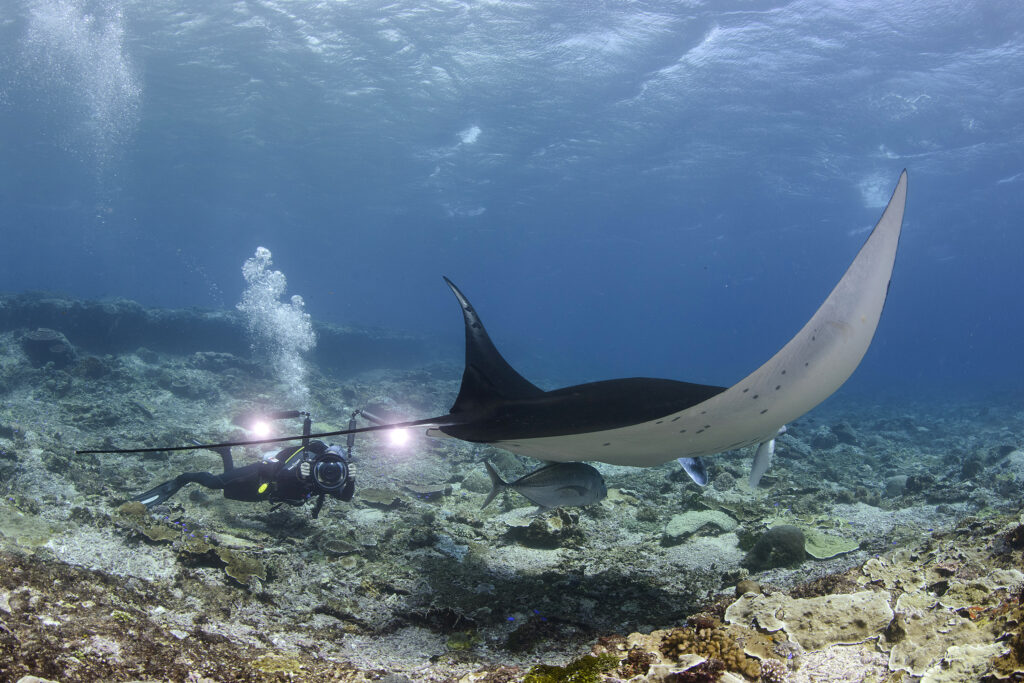
Watching manta ray courtship is fascinating, but it is also important to remember that we are observing a natural behaviour.
The best approach is usually the simplest one.
Stay calm. Maintain good buoyancy. Avoid chasing the animals or positioning yourself in their path.
Most of the time, the less we interfere, the more natural the encounter becomes.
And understanding what is happening often makes the experience even more rewarding.
If the opportunity presents itself, take ID shots of manta belly patterns and upload the data to a database like MantaMatcher as that will help scientists to understand their movement and behavior better to be able to protect them more effectively.
Despite decades of research, manta rays continue to surprise scientists.
Many questions remain unanswered. Researchers are still studying migration patterns, nursery areas, social interactions, and even how individuals recognize one another.
Projects led by the Manta Trust and Marine Megafauna Foundation Indonesia have identified thousands of individual manta rays by the unique spot patterns on their bellies, allowing scientists to follow the lives of animals over many years.
And that raises another fascinating question.
If we can recognize individual mantas and understand how they reproduce, where do the young spend their first years?
Where are the nursery grounds?
How far do these animals travel?
And how do they navigate across such enormous areas of ocean?
Those questions deserve an article of their own.
A manta train is a group of male manta rays following a female during courtship.
Courtship can last several hours, although mating itself lasts only seconds.
Yes. Current research suggests that females play an active role in mate selection.
It is possible, but extremely rare. Most divers observe courtship behaviour rather than mating itself.
Protected areas provide safe environments that support feeding, movement, and reproduction.
Several organisations do, including Marine Megafauna Foundation Indonesia and the Manta Trust.
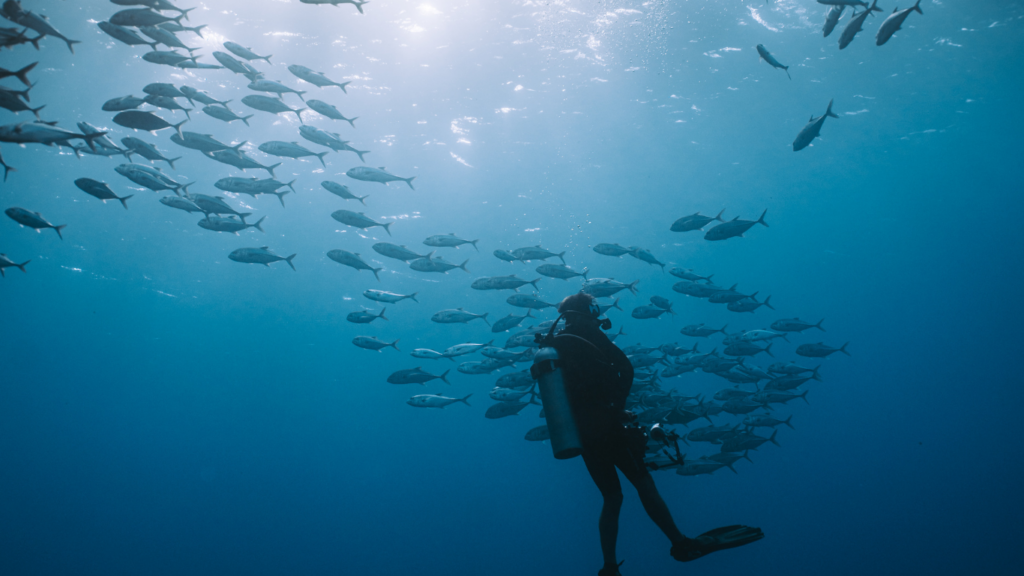
Let this World Oceans Day remind us that the ocean is not separate from us but has always flowed through us, in everything we do and consume. Discover how small daily actions, responsible diving, and marine conservation efforts by the Scuba Junkie family help protect our blue planet.
The first time many of us truly understand the ocean is not from a documentary or a photograph. It happens quietly. Sometimes underwater, where the sound of the world disappears and all we hear is our own breathing. Sometimes standing barefoot on a beach at sunrise, watching waves arrive from places we will never see.
And sometimes, it happens when we lock eyes with a sea turtle gliding through coral reefs older than human history itself.
That moment changes people.
This is why World Oceans Day matters so deeply to us at Scuba Junkie. Not because it is just another date on the calendar, but because it reminds us that the ocean is not somewhere far away. It is part of every breath we take, every meal we eat, every climate system that keeps our planet alive.
The ocean gives us life long before we ever step into it.
Yet today, it needs our active actions to protect it more than ever. So, let’s reimagine our relationship to the ocean.
We often speak about “saving the ocean” as though it were separate from humanity. But the truth is simpler and more uncomfortable than that. If the ocean suffers, we suffer too.
The ocean is one of Earth’s greatest oxygen producers and the foundation of our planetary life support system. It regulates our climate, feeds over 3 billion people, supports livelihoods, and protects biodiversity on a scale we are only beginning to understand.
And still, every year, millions of tonnes of plastic enter marine ecosystems. Coral reefs are bleaching under rising temperatures. Sea turtles mistake floating plastic bags for jellyfish. Ghost nets continue drifting silently through the sea, trapping marine life long after they were abandoned.
For many people, these problems feel distant. Easy to ignore.
That is part of the challenge.
We rarely protect what we do not feel connected to.
At Scuba Junkie, we have seen this transformation happen thousands of times. Someone arrives simply wanting a holiday or a dive certification. Then they descend beneath the surface for the first time and suddenly the ocean becomes personal.
A turtle is no longer just “marine life.”
A reef is no longer just “nature.”
The ocean becomes a living world they care about deeply.
And once people care, they begin to protect.
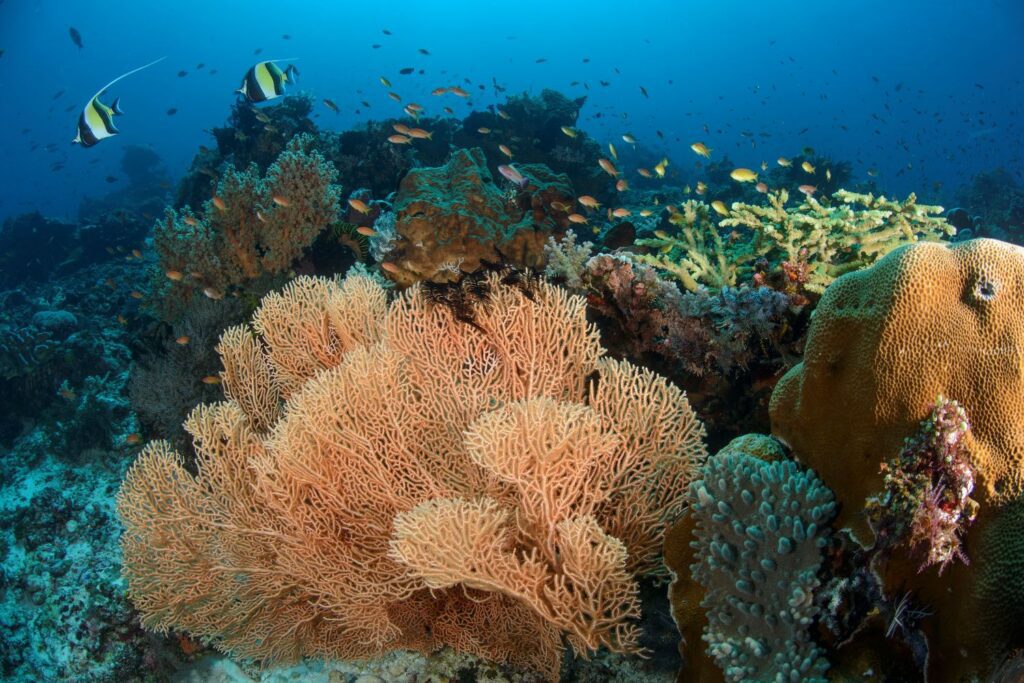
It is easy to feel overwhelmed when talking about protecting and preserving the ocean. Climate change, pollution, overfishing, habitat destruction… the list can feel endless.
But not all hope is lost.
In fact, one of the most beautiful things we witness every day is the incredible resilience of the ocean when people choose to care for it.
Across the Scuba Junkie family, conservation is not treated as a side project. It is part of daily life — from the small details, like providing guests with locally sourced eco-friendly toiletries across all our operations to weekly beach and underwater cleanups to the larger programs that define how we dive, travel, educate, and operate.
Through Scuba Junkie SEAS, our conservation arm founded in 2009, marine conservation has become deeply woven into everything we do. In Mabul, sea turtle nests are protected through hatchery programs that have already helped release more than 17,000 hatchlings back into the ocean. In collaboration with the Sabah Wildlife Department, injured turtles have been rehabilitated and returned to the wild through the Mabul Turtle Rehabilitation Centre.
Coral restoration projects, marine debris initiatives, shark conservation efforts, and educational outreach efforts all work toward the same idea:
Protecting the ocean starts with people.
Not perfect people.
Not scientists only.
Just people willing to care.
This is an important conversation, and one we believe should be honest.
Yes, diving can damage reefs — if done irresponsibly. Poor buoyancy, touching marine life, littering, or overcrowding fragile ecosystems can all have negative impacts.
But when done responsibly, diving and other marine activities can also become one of conservation’s strongest allies.
At Scuba Junkie, responsible dive practices are central to how we operate. Environmental briefings, following the Green Fins code of conduct, reef-safe behaviors, and conservation education are integrated into the diving experience because we believe tourism should protect the places it depends on.
And perhaps even more importantly, diving creates emotional connection.
Someone who has watched a shark glide through blue water is far more likely to support shark conservation. Someone who has seen coral bleaching with their own eyes understands climate change differently. Someone who has floated beside a turtle often leaves carrying a sense of responsibility that lasts years beyond the trip itself.
The ocean stops being abstract.
It becomes real.
One of the biggest misconceptions about marine conservation is believing only coastal communities or divers can make a difference. But the ocean connects all of us and our actions.
The plastic bottle thrown away inland can still reach the sea through rivers and drainage systems. The seafood choices we make influence the fishing industry. The products we buy, the waste we create, the businesses we support — all of these decisions ripple outward and can make a real difference.
Being an ocean ambassador does not require living close to the ocean. It begins with awareness. Sometimes the smallest actions matter more than we realize:
Using reusable bottles and bags to reduce unnecessary plastic consumption.
Supporting sustainable tourism operators such as Green Fins Members.
Learning and sharing about marine ecosystems.
Using non-toxic, reef-safe sunscreens.
Use local and public transportation when possible.
Supporting conservation organizations in-person or financially.
Sharing educational content instead of ignoring it.
Voting for candidates that prioritize climate action.
Even conversations matter. Because awareness spreads. And when enough people care, that’s when systems begin to change.
The truth is that conservation is rarely about one dramatic action. It is usually thousands of small consistent efforts carried out by ordinary people.
At Scuba Junkie, we have watched travelers join reef and beach cleanups during their holidays and leave transformed by the experience. We have seen local communities become deeply involved in turtle protection initiatives. We have watched children release hatchlings into the sea and understand, perhaps for the first time, that nature’s future depends on them.
For those who have the time and would like to be more hands-on, participating in reef and beach cleanups, marine life monitoring, or marine conservation workshops can make a direct difference.
For those who are limited on time and resources, your support can still be powerful. Scuba Junkie SEAS runs programs such as turtle adoption initiatives connected to the hatchery and rehabilitation work in Mabul. Supporting these projects helps fund nest protection, rehabilitation efforts, monitoring, education, and conservation outreach. Many vital marine conservation organisations remain underfunded, any support you can offer makes a difference.
Sometimes helping the ocean means getting in the water.
Sometimes it means using your voice or wallet.
Both matter.
There is a tendency in environmental conversations to focus only on loss. But the ocean is still full of life worth fighting for.
While individual actions matter deeply, we can’t ignore that the future of the ocean also depends on larger decisions being made at government and industry levels. Marine protected areas, stronger regulations against pollution, sustainable fishing policies, and meaningful climate action all play a critical role in protecting marine ecosystems for future generations.
Sometimes helping the ocean means carrying a reusable bottle or joining a beach cleanup. Sometimes it means signing petitions, supporting environmental organizations, voting for leaders who prioritize conservation, or using our voices to demand stronger protection for our seas.
Real change happens when personal responsibility and collective action work together — whether that means carrying a reusable bottle, signing a petition, or voting for leaders who prioritize our seas.
And despite the challenges, hope is not lost.
There are still healthy reefs bursting with color.
There are still turtles returning to the nest.
There are still communities choosing conservation over exploitation.
There are still people willing to dedicate their lives to protecting marine ecosystems.
World Oceans Day is celebrated every year on June 8th to raise awareness about the importance of the ocean and encourage global action to protect marine ecosystems.
The ocean is one of Earth’s greatest oxygen producers, regulates the climate, supports biodiversity, provides food, and sustains billions of livelihoods worldwide.
Conservation is embedded into everything we do at Scuba Junkie. As a Green Fins Member, we follow a strict code of conduct to minimize our environmental impact across all operations. Through Scuba Junkie SEAS, our dedicated conservation arm, this commitment extends further into turtle conservation, coral restoration, marine debris cleanups, shark conservation, and community outreach programs.
Yes. Responsible diving practices such as good buoyancy control, avoiding contact with marine life, using reef-safe products, and supporting eco-conscious operators can minimize environmental impact and promote conservation awareness.
Reducing plastic use, supporting conservation projects, making sustainable purchasing choices, spreading awareness, and donating to marine conservation initiatives can all help protect the ocean from anywhere in the world.
The turtle adoption initiatives supported by Scuba Junkie SEAS help fund sea turtle conservation efforts including hatchery protection, rehabilitation, monitoring, and conservation education programs in Mabul.
The ocean does not ask for perfection from us.
Only respect.
Every refillable bottle, every cleanup, every conversation, every responsible dive, every protected reef, every rescued turtle — it all matters.
And perhaps the most powerful thing we can do is inspire others to care too.
Because the moment people fall in love with the ocean, they begin to fight for its future.
Long before diving trips, before liveaboards, before routes connecting Komodo, Raja Ampat, or the Banda Sea, there were ships built for something far more essential.
They were built to travel.
The phinisi liveaboard we know today began as something entirely different — a traditional Indonesian sailing vessel, crafted by the Bugis and Konjo people of South Sulawesi. For generations, these master shipbuilders created wooden boats designed to cross vast stretches of ocean, carrying goods, people, and stories between islands.
These were working ships. Strong, purposeful, and deeply connected to the sea.
They transported spices across trade routes, connected remote communities, and navigated Indonesian waters long before modern navigation existed. Built without written blueprints, their design was passed down through memory, skill, and experience — a living tradition shaped by those who understood the ocean intimately.
This craftsmanship became so significant that the art of building these vessels was recognized by UNESCO as part of the world’s intangible cultural heritage.
And yet, despite their long history, the story of the phinisi has never really stopped.
It has simply evolved.
Over time, the purpose of the phinisi began to change.
The same design that once carried cargo across Indonesia proved perfectly suited for a different kind of journey — one not driven by trade, but by exploration.
The structure remained the same. The spirit remained the same. But the experience onboard slowly transformed.
What was once a vessel built for movement became a place where people could stay, observe, and experience the ocean in a more personal way.
This is where the modern phinisi liveaboard begins to take shape.
Today, stepping onto a phinisi liveaboard still feels like stepping into that history — even if the experience itself has evolved.
From the outside, the silhouette is unmistakable. The twin masts, the wooden hull, the proportions shaped by centuries of design.
But onboard, things feel different.
Spaces are designed for comfort. Cabins offer privacy and rest. Open decks invite you to slow down and take in your surroundings.
It is not about turning the vessel into something modern and unrecognisable.
It is about adapting it carefully — allowing tradition and present-day travel to exist together.
Once the journey begins, time takes on a different rhythm.
There is no rush. No fixed pace beyond the one set by the sea.
Mornings arrive quietly, often with the first light reflecting across the water. The horizon feels endless. The day unfolds naturally, without urgency.
Between dives, there is space — not just physically, but mentally.
You sit on deck. You watch the water move. You begin to notice the small details that often go unseen.
The sound of the hull cutting through the sea.
The warmth of the sun after a dive.
The stillness that settles in during longer crossings.
On a phinisi liveaboard, these moments are not interruptions.
They are part of the experience.
A phinisi was never meant to remain in one place.
It was designed to move — and that movement continues to define the experience today.
As KLM Eliya sails through regions like Komodo, Raja Ampat, and the Banda Sea, each journey unfolds differently.
Some days are filled with diving, exploring reefs shaped by currents and marine life. Other days are quieter, spent travelling between destinations, watching the landscape shift slowly around you.
There is a balance between action and stillness.
And over time, that balance becomes what you remember most.
KLM Eliya carries this heritage forward in a way that feels natural.
Built by master craftsmen and shaped by the experience of the Scuba Junkie Liveaboards team, she reflects both the tradition of the phinisi and the needs of modern divers.
She accommodates a small number of guests, creating space not just physically, but in the overall experience. The rhythm onboard remains unhurried. The focus stays on the journey as much as the destination.
There is a quiet confidence in the way she moves through the water.
Not trying to stand out — simply belonging.
Many boats can take you to a dive site.
A phinisi liveaboard offers something else.
It connects you to a way of travelling that is slower, more intentional, and more aware of its surroundings.
It is not about rushing from one location to another.
It is about being present for the journey itself.
And somewhere along the way, you begin to realise that the boat is no longer just transport.
It has become part of the experience.
A phinisi liveaboard is a traditional Indonesian wooden sailing vessel adapted for modern travel and diving, recognised by UNESCO as maritime heritage.
They are built by skilled Bugis and Konjo shipbuilders in South Sulawesi using techniques passed down through generations.
They were traditionally used for trade, transporting goods and people across Indonesian islands.
Yes. Modern vessels like KLM Eliya combine traditional design with comfortable living spaces suited for multi-day journeys.
A phinisi liveaboard is not just a way to explore Indonesia.
It is a continuation of a story.
A story shaped by the sea, carried through generations, and still unfolding today.
And when you step onboard, you are no longer just travelling across the ocean.
You are becoming part of that journey.
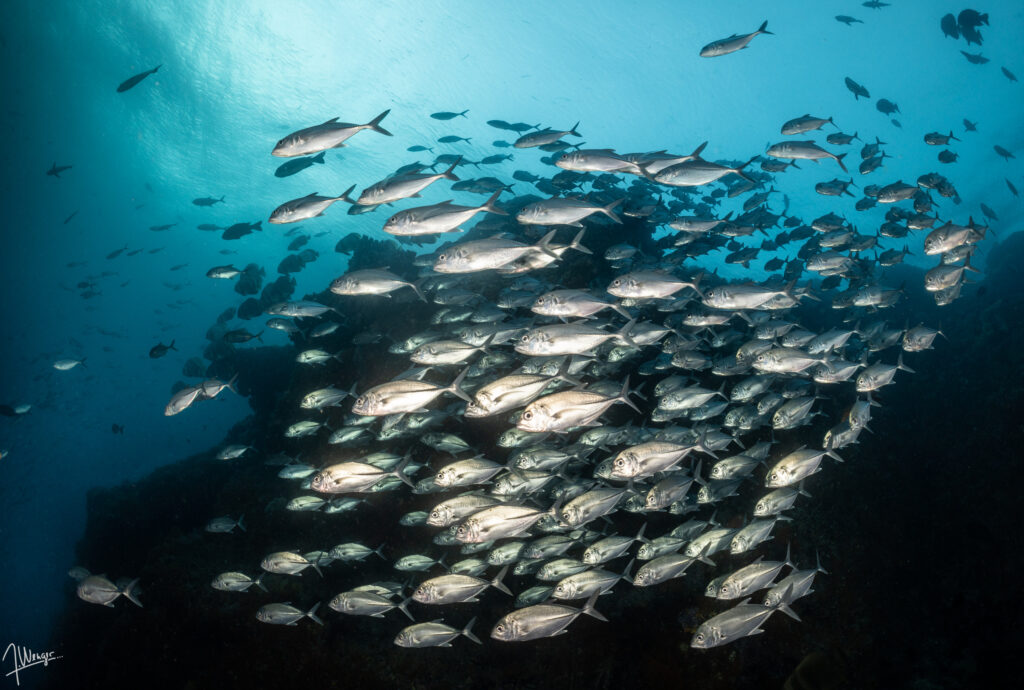
There are regular dive trips, and then there are true expeditions.
The journey from Raja Ampat to Alor with Scuba Junkie Liveboards KLM Eiya belongs firmly in the second category: an 11-day Banda Sea crossing through some of the most remote, untouched and spectacular waters in Indonesia. Stretching across nearly 1,500 kilometres of archipelago, this voyage connects the legendary reefs of Raja Ampat to the volcanic wilderness of the Banda Sea before ending in the biodiversity-rich waters of Alor.
For divers looking for more than a standard liveaboard itinerary, this is a voyage into the heart of the Ring of Fire, a region shaped by tectonic forces, deep ocean currents and centuries of isolation, and one of the most biodiverse marine environments on Earth.
The expedition departs from Sorong, gateway to Raja Ampat. From there, we will head south toward Misool, the wildest and most visually dramatic region of southern Raja Ampat.
Towering limestone karsts rise above turquoise lagoons. Underwater, the reefs explode with life: dense schools of fusiliers and snappers drifting across coral slopes draped in giant sea fans, barracudas patrolling blue-water drop-offs, manta rays circling cleaning stations. Misool delivers everything Raja Ampat promises, and then some.
But unlike most Raja Ampat liveaboard itineraries, this Banda Sea expedition does not stop there.
Crossing into the Banda Sea changes the atmosphere entirely. The reefs become more remote. The distances are longer. The ocean is deeper and wilder.
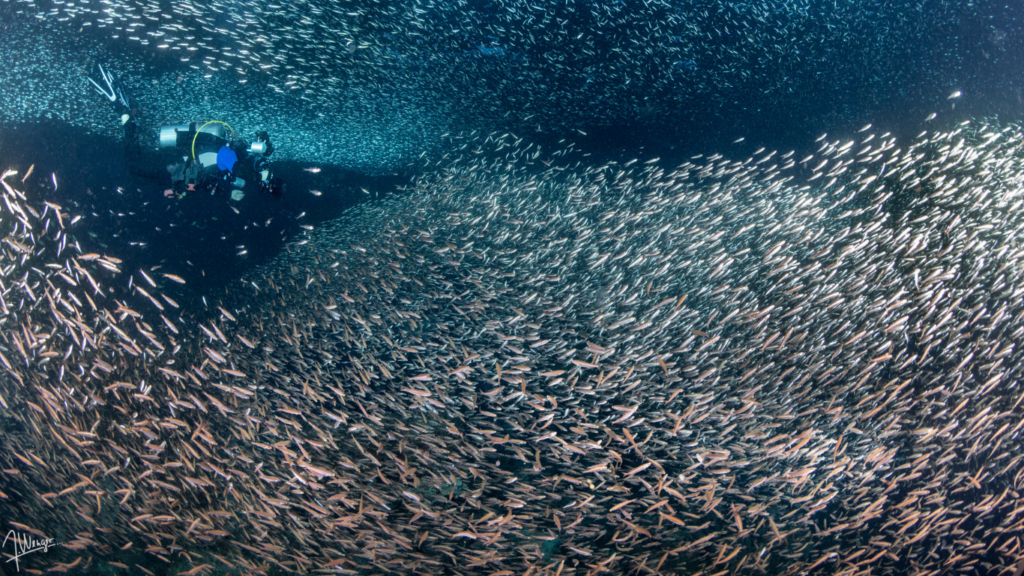
One of the expedition highlights is Pulau Koon, home to a site known simply as “Too Many Fish”. The name barely does it justice. Massive schools of reef fish blanket the reef in astonishing density, while turtles, sharks and pelagic predators move constantly through nutrient-rich currents.
Further south lies Pulau Manuk, an isolated volcanic island rising abruptly from the open Banda Sea. Black volcanic cliffs steam under the tropical sun while thousands of seabirds circle overhead. Below the surface, it offers one of the most unusual diving experiences anywhere in the world.
Manuk is famous for its sea snakes — not the occasional encounter most divers experience elsewhere — but the huge numbers of highly active sea snakes hunting together across the reef slopes, weaving through schools of fish alongside giant trevallies. The kind of dive that stays with you for a long time to come.
As the voyage pushes deeper into the Banda Sea, the sense of isolation becomes even more striking. Remote volcanic islands such as Teun, Nila, Serua, Romang and Wetar sit far from regular tourism routes, surrounded by deep ocean currents and vast open water.
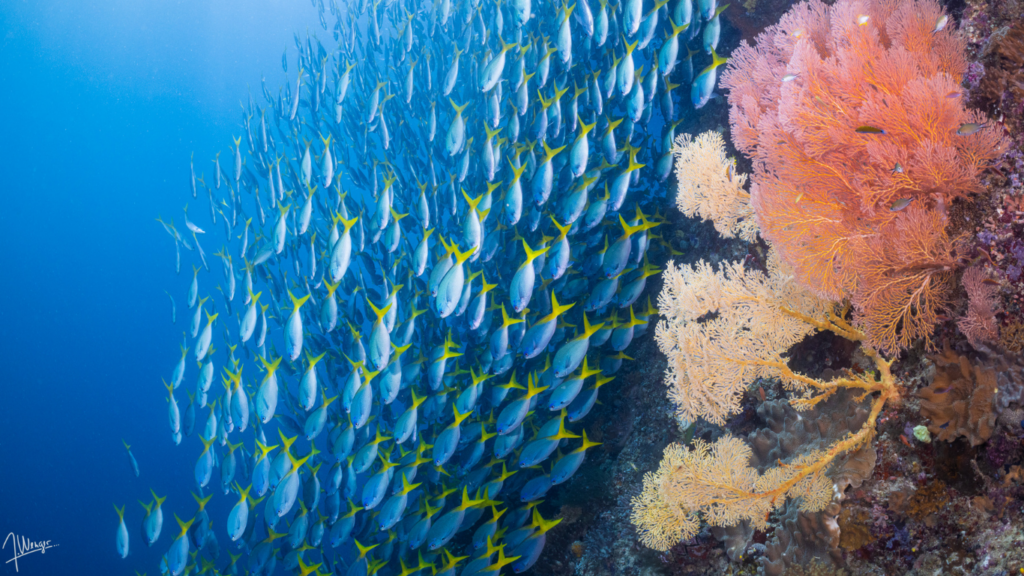
The diving here feels raw and untamed: steep walls disappearing into the blue, offshore pinnacles swept by current, reefs alive with schools of jacks, fusiliers and roaming predators. Between dives, rugged coastlines and dramatic volcanic scenery reinforce what this trip really is — one of Indonesia’s truly wild frontiers.
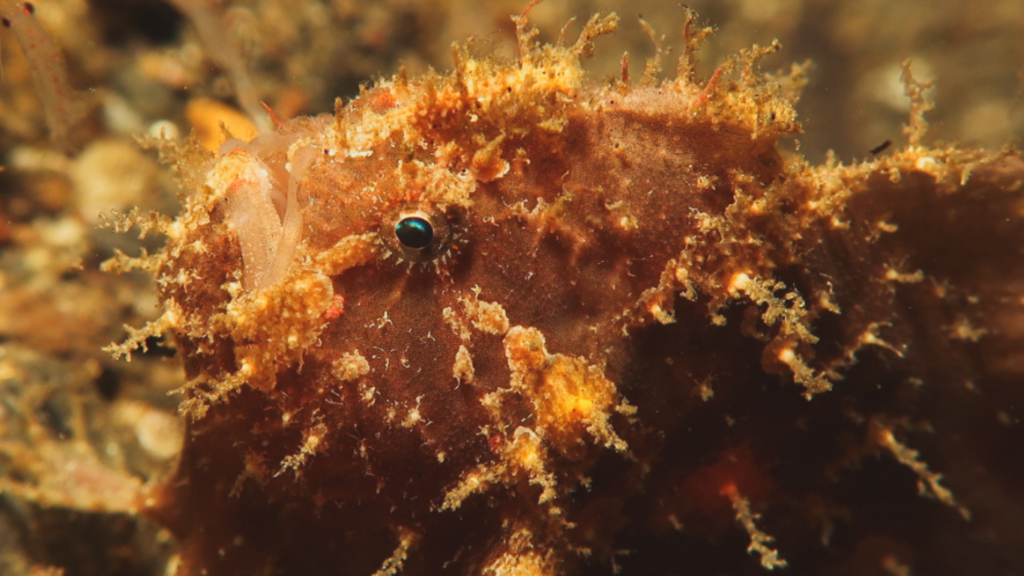
The final chapter unfolds in Alor, widely considered as one of Indonesia’s most underrated diving destinations.
Nutrient-rich currents flowing through the Pantar Strait create ideal conditions for marine biodiversity. Depending on seasonal conditions, mola mola and hammerhead sharks may appear in the blue. And after days of drift dives and volcanic reef systems, the expedition slows down with an evening muck dive in Kalabahi Bay, where frogfish, nudibranchs, crustaceans and other macro creatures hide in dark volcanic sand.
A fitting finale to a journey defined by variety.
This is not a trip for everyone, and that is entirely the point.
The Raja Ampat to Alor crossing is designed for experienced divers comfortable to dive in currents as currents dictate the dives in this expedition. Every island feels isolated from the modern world.
Recommended experience level: intermediate to advanced divers. Drift diving experience is strongly advised.
The crossing is typically operated during the transitional seasons, March to May and September to November, when prevailing winds shift and sea conditions allow for safe passage through the open Banda Sea. These windows also coincide with optimal conditions in both Raja Ampat and the Banda Sea, where thermoclines bring cooler, nutrient-rich water and increase the chances of pelagic encounters.
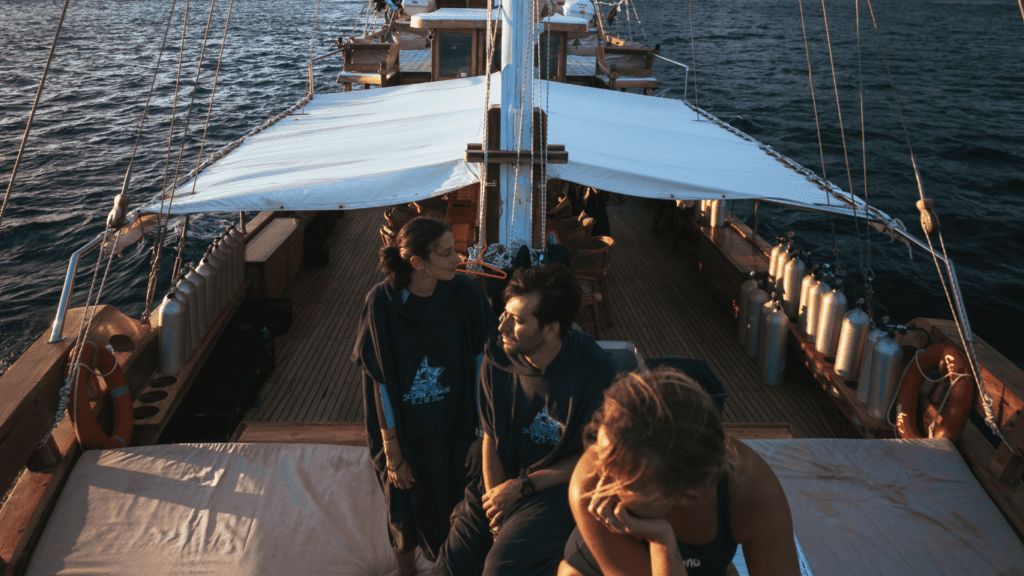
Over 11 days, life onboard our KLM Eliya settles into the rhythm of the sea: sunrise briefings, long crossings under starlit skies, remote anchorages and conversations shared on deck after unforgettable dives.
The dive guides aboard KLM Eliya know these waters intimately. Their knowledge of currents, seasonal behaviour and site-specific marine life is what turns a good dive into an exceptional one. In waters this remote, that expertise matters and it is those expertise that will give you the best expedition experience all while looking after the environment.
More than a dive trip, this voyage moves through multiple ecosystems, geological worlds and cultural regions, from Raja Ampat’s limestone lagoons to the active volcanoes of the Banda Sea and the remote communities of Alor. It feels closer to an old-style ocean expedition than a conventional dive cruise.
This is the kind of journey divers talk about for years. Spots go quickly, and for good reason. So, time to join the Scuba Junkie Liveaboards family and come share our passion for the ocean!
Check availability or contact the team now to book your next diving adventure.
How long is the Raja Ampat to Alor Banda Sea Liveaboard Expedition?
KLM Eliya’s Sorong to Alor expedition runs over 11 days, covering approximately 1,500 kilometres of Indonesian archipelago across Raja Ampat, the Banda Sea and Alor.
What experience level is required?
Intermediate to advanced divers. You will encounter strong currents, open-ocean crossings and multi-day sea passages. Drift diving experience is strongly advised. This trip is not suitable for beginners.
What is the best time to do this crossing?
March to May and September to November are the recommended windows, when seasonal conditions allow safe passage through the Banda Sea and maximise opportunities for pelagic encounters.
What marine life can I expect?
Manta rays, reef sharks, sea snakes, giant trevallies, massive schools of jacks and fusiliers, turtles, frogfish and nudibranchs throughout the route. Depending on timing, mola mola and hammerhead sharks are possible in Alor. The species variety across 1,500 kilometres is extraordinary.
How do I get to Sorong?
Sorong is served by domestic flights from Jakarta, Bali, Makassar and Manado. Most guests fly via Jakarta or Bali. Plan for at least one overnight in Sorong before embarkation.