
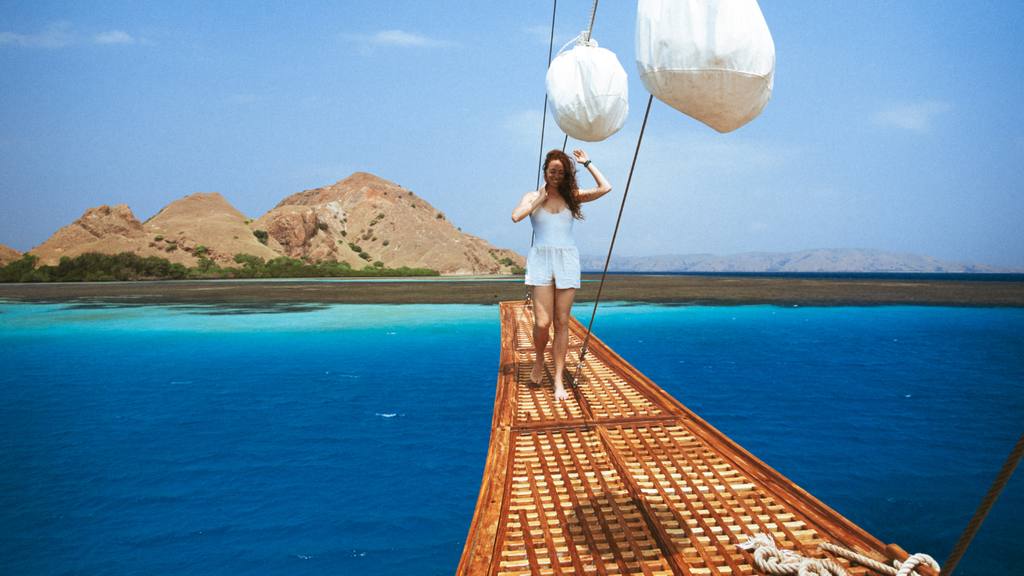
A liveaboard day aboard Scuba Junkie KLM Eliya begins before most alarm clocks would be considered polite. At around six in the morning, the boat is already awake in small ways. The crew is moving, the first drinks are being prepared and a few guests have found their way to the deck to watch the islands appear in the early light.
It is an early start, but there is something different about waking up close to the first dive site. There is no drive to the harbour, no daily equipment transfer and no long journey from town before the diving begins. You wake up where the next part of the trip is already waiting.
The exact liveaboard day schedule can change according to conditions and the plans made by the Cruise Director. That flexibility is part of the experience. Still, a full day in Komodo often follows a familiar rhythm: three daytime dives, a sunset or night dive, meals between them and enough quiet moments to remember that being onboard is part of the trip too.
Before the first dive, there is time for tea, coffee and something light to eat. Then comes the briefing.
The guide explains the site, expected conditions, entry and exit, maximum depth, route, signals and what the group may encounter. The briefing is also the moment to raise a concern, ask a question or mention how you are feeling. Conditions can change, and the dive plan needs to reflect the people entering the water as well as the site itself.
Divers are grouped according to their experience and comfort. This helps the team plan dives that suit the group while keeping communication and safety clear.
Once everyone is ready, the tenders take the groups to the entry point. The day has barely started on land, but your first dive is already underway.
The first dive changes the mood of the morning. Guests return to Scuba Junkie KLM Eliya carrying the small rush that follows a good dive, along with the immediate need to discuss what everyone saw.
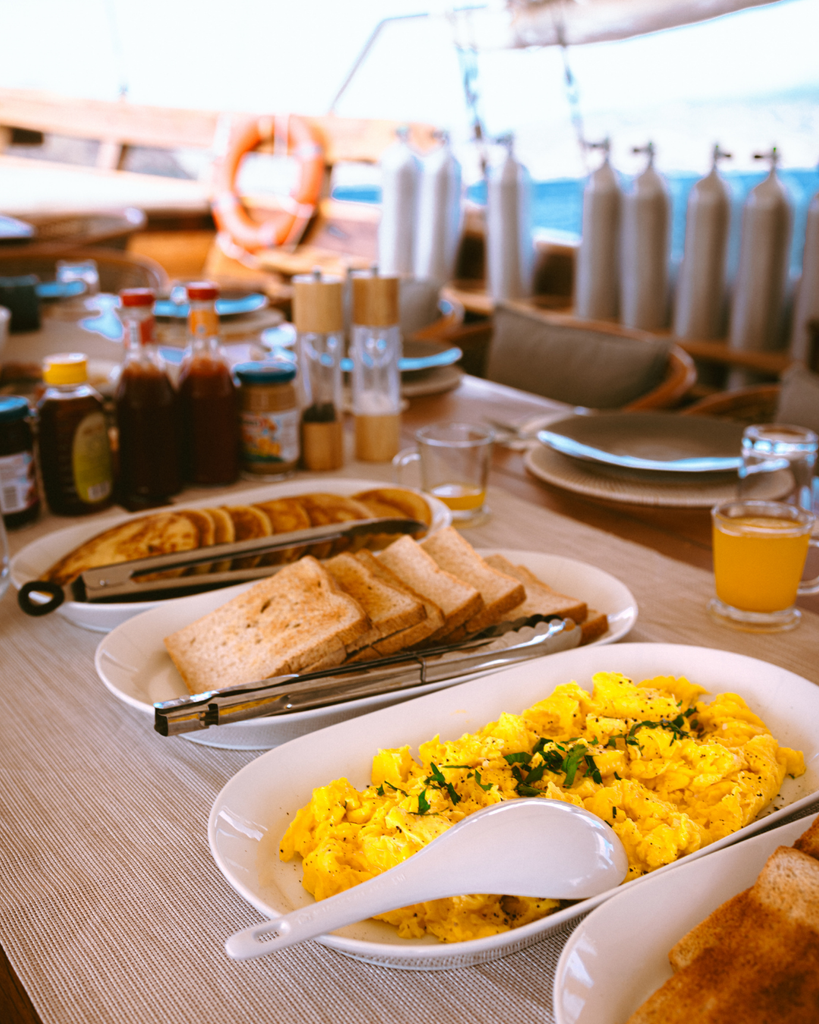
By the time wetsuits are hanging and cameras are back on the table, breakfast is ready. A hot meal after the first dive is one of the most satisfying parts of a liveaboard day. It is also when separate dive groups compare notes and discover that two teams at the same site may have noticed completely different things.
While guests eat, the boat continues moving. The next dive site is not another journey that must be organised. It is already part of the day.
Late morning usually brings the second dive. Even when the next site is nearby, its character may be completely different. Komodo can move from a wide coral garden to a current-shaped channel, a dramatic pinnacle or an area where slowing down reveals the smaller marine life.
This variety is one reason a liveaboard day rarely feels repetitive. The routine becomes comfortable, but the diving keeps changing. Different topography, light, current and marine life require the diver to pay attention again rather than entering the water on autopilot.
Marine-life encounters are never guaranteed. The site may offer the animal everyone hoped for, or it may become memorable for something nobody expected. The ocean chooses that part.
After the second dive, lunch creates a natural pause. During a liveaboard day, there is time to eat, hydrate, rest, review photographs or simply look outside while Scuba Junkie KLM Eliya moves to the next area.
Rest is not wasted time on a trip with several dives each day. Multi-day diving asks guests to pay attention to energy, hydration and how they feel. There is no prize for completing every possible dive if your body is asking for a break.
Some guests head to their cabins. Others find a shaded place on deck, check their cameras or continue a conversation that began at breakfast. This slower middle section gives a liveaboard day its balance. The diving provides the structure, but the spaces between dives keep the pace enjoyable.
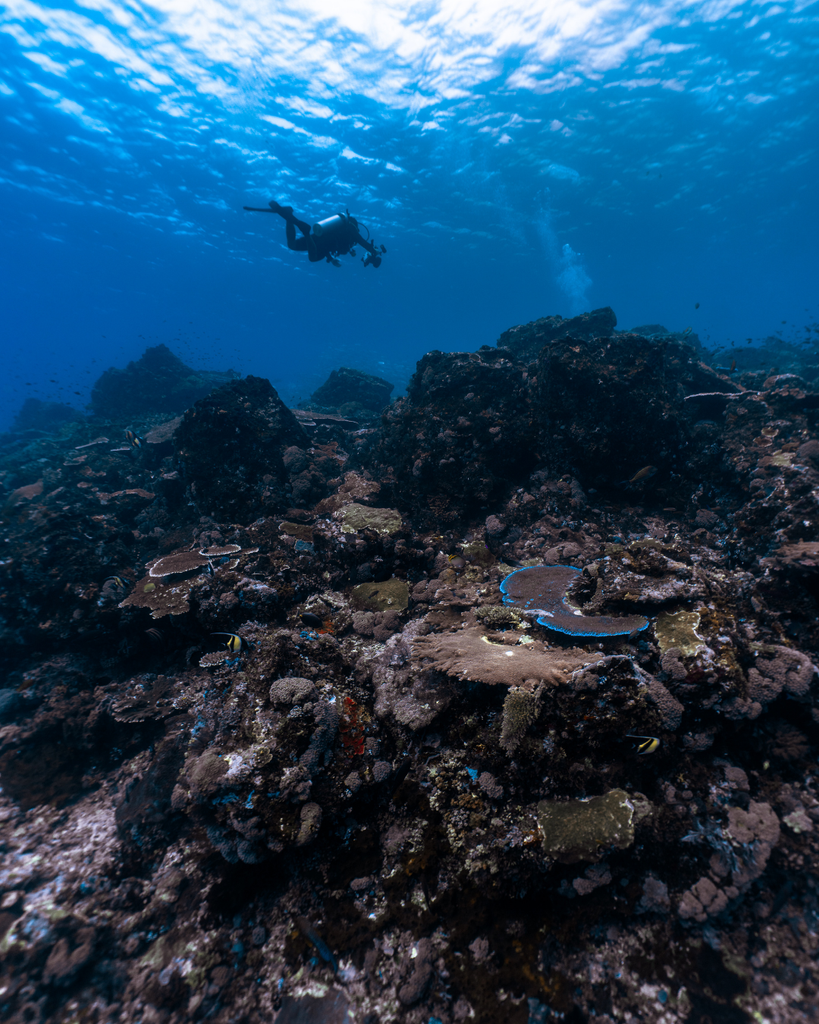
The third dive normally takes place later in the afternoon. By this point in the liveaboard day, the light has changed and the day has settled into its rhythm. Equipment is familiar, buddy communication feels easier and everyone knows where to be.
That efficiency does not mean rushing. It means less attention is spent on small logistical questions and more can be given to the dive itself.
The afternoon may also include a land or nature excursion, depending on the route and conditions. Komodo is not only an underwater destination. Pink beaches, island viewpoints, flying foxes and the chance to see Komodo dragons can all become part of the itinerary. The exact excursions and timing vary from trip to trip.
For many divers, the final entry is the one that makes the day feel complete. A sunset dive catches the reef during a transition, while a night dive turns attention toward animals and behaviours that may remain hidden during daylight.
The final dive is not identical every evening. Its timing depends on the site and the broader plan, and dinner may be served before or after it. What remains consistent is the feeling of returning to the boat when the day outside has become quiet.
Four dives can sound intense when written as a number. Lived as a liveaboard day, they are separated by meals, surface intervals, boat passages and rest. Each dive has its own beginning and ending rather than feeling like one long session underwater.
Guests are also free to skip a dive. Listening to your body and speaking honestly with the team are part of responsible multi-day diving.
After the final dive, the deck gradually becomes quieter. Equipment is put away, cameras are checked and dinner brings everyone back together.
This is often when the best stories surface. Someone finally finds the photograph they were hoping for. Another guest describes an encounter that happened while the rest of the group was looking in the opposite direction. The guides answer questions, tomorrow’s possibilities begin to appear and the day slowly becomes part of the trip’s shared memory.
No itinerary can fully describe this part of a liveaboard day. A schedule can list the dives and meals, but it cannot predict the conversation, the joke that follows the group for the rest of the week or the quiet moment when everyone realises how far they are from their normal routine.
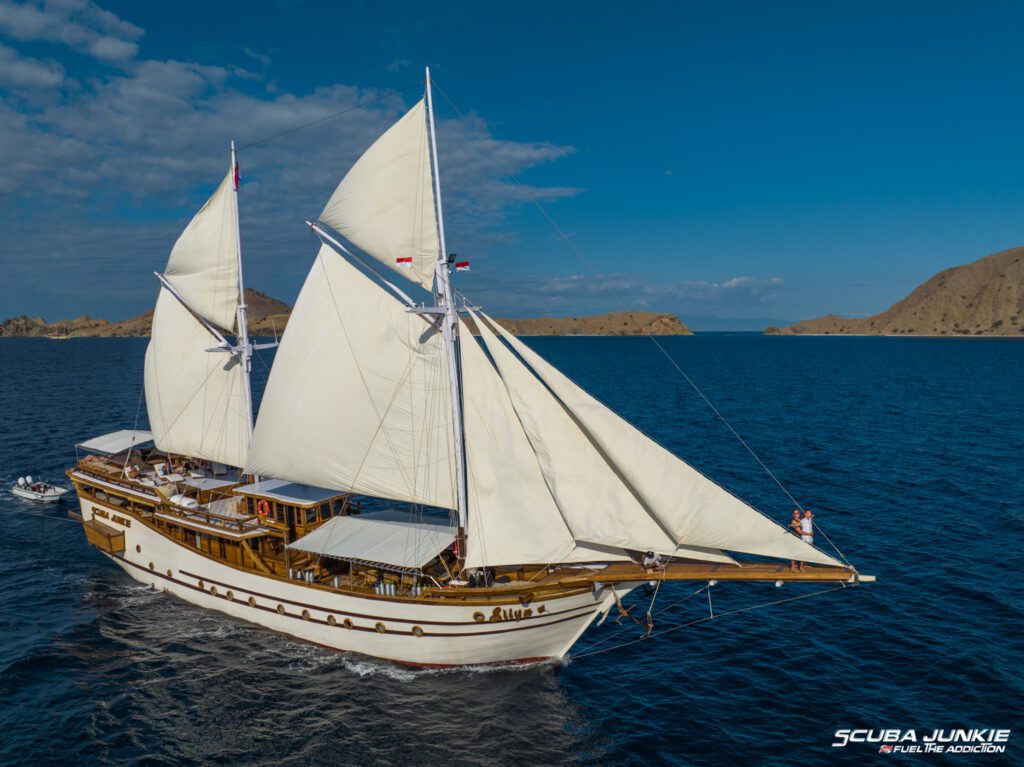
While the guests sleep, the boat may travel toward the next part of Komodo. This is one of the quiet advantages of liveaboard diving. Distance is covered while the day resets.
The next morning begins with the same familiar signals: early light, coffee, briefing and equipment waiting on the dive deck. Yet it will not be the same liveaboard day. The anchorage has changed. The conditions are different. Another reef is waiting, and the ocean has prepared a new version of the plan.
A standard 6D5N Komodo itinerary aims for up to 20 dives, subject to conditions and the land excursions included during the trip. Each liveaboard day contributes to a full schedule, but the experience is not only measured by the number in the logbook. It is also built from the meals, passages, conversations and calm hours that connect one dive to the next.
If you would like to experience a liveaboard day aboard Scuba Junkie KLM Eliya, contact our team to discuss upcoming Komodo, Raja Ampat and Banda Sea itineraries.
WhatsApp: +62 823-4223-7337
Email: liveaboards@scubajunkie.com
On full days, the standard 6D5N itinerary normally aims for three daytime dives and one sunset or night dive. Embarkation and disembarkation days follow a different schedule. Every itinerary remains subject to conditions and operational decisions.
No. Guests can skip a dive whenever they need more rest. Multi-day diving should be enjoyable, and communicating honestly about fatigue, comfort or any concern is always encouraged.
Yes. A typical full day includes a light snack before the first dive, breakfast afterwards, lunch following the second dive and dinner around the sunset or night dive. The exact timing can change with the plan.
No. Currents, tides, weather, route planning, guest experience and excursions can all change the timing. The schedule provides a rhythm, not a rigid promise.
The Komodo itinerary aims to include land and nature excursions, but the activity and timing depend on the route and conditions. The Cruise Director explains the current plan during the welcome briefing.
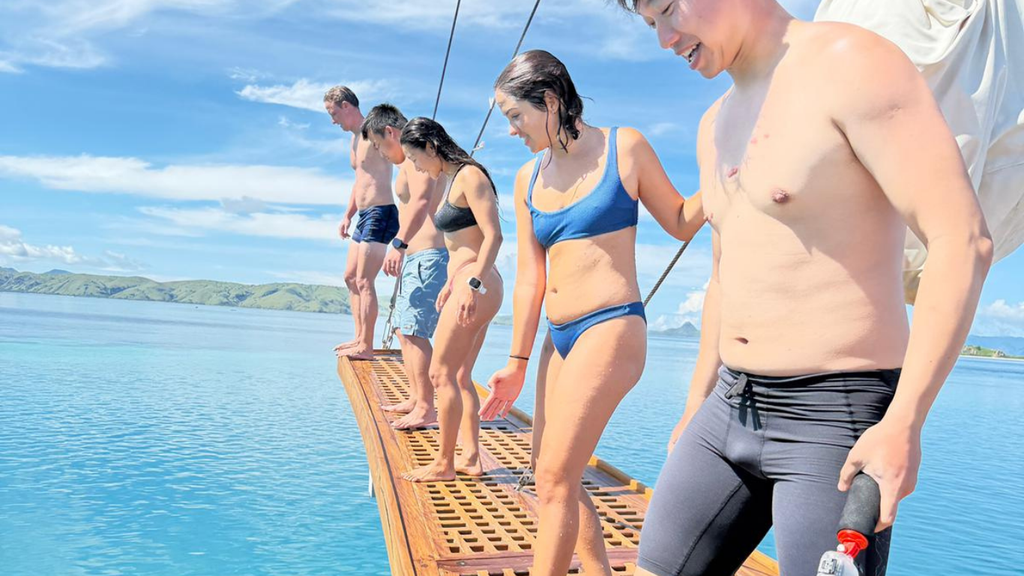
Every liveaboard experience begins with a plan, but the ocean decides how that plan unfolds. You can return to the same destination, step aboard the same boat and even revisit a favourite dive site, yet the trip will never be an exact copy of the one before.
That is especially true in places such as Komodo, Raja Ampat and the Banda Sea. These destinations may be marked on a map, but they are never static. Currents shift, marine life moves, light changes across the reef and each group brings a different energy onboard. Even you arrive as a different diver, carrying everything you learned on the trips that came before.
Returning is not repeating. It is giving a place the chance to show you another side of itself.
The ocean does not follow a fixed script. Conditions that created a gentle dive one week may bring stronger current the next. A reef covered in schooling fish during one visit may reveal its smaller residents on another. Visibility, water temperature, tides and sunlight all influence what a dive looks and feels like.
This natural variation is part of every liveaboard experience. Divers often remember a site by name, but the name only tells us where the dive begins. It cannot tell us where the fish will gather, whether a manta will pass overhead or which corner of the reef will hold everyone’s attention that day.
Wildlife sightings can never be guaranteed, and that honesty matters. Marine animals move freely. A return trip may bring the encounter you hoped for, but it may also introduce you to something you had never thought to look for. The uncertainty is not a flaw. It is what keeps the ocean wild.
A liveaboard itinerary is a carefully considered plan, not a rigid checklist. In Komodo, the dive team looks at currents, tides, weather, diver experience and guest requests before deciding where and when the group should enter the water.
That flexibility is not a lack of planning. It is better planning.
It allows the crew to choose the most suitable dives for the conditions in front of them instead of forcing every departure through exactly the same route. One trip may find its strongest moments in northern Komodo, while another spends more time in central or southern areas. Two departures may visit some of the same sites, but a different order and timing can transform the whole liveaboard experience.
The same principle applies beyond Komodo. Raja Ampat and the Banda Sea have their own seasons, weather patterns and possibilities. On every route, the goal is not to reproduce a previous week. It is to make thoughtful decisions for the week taking place now.
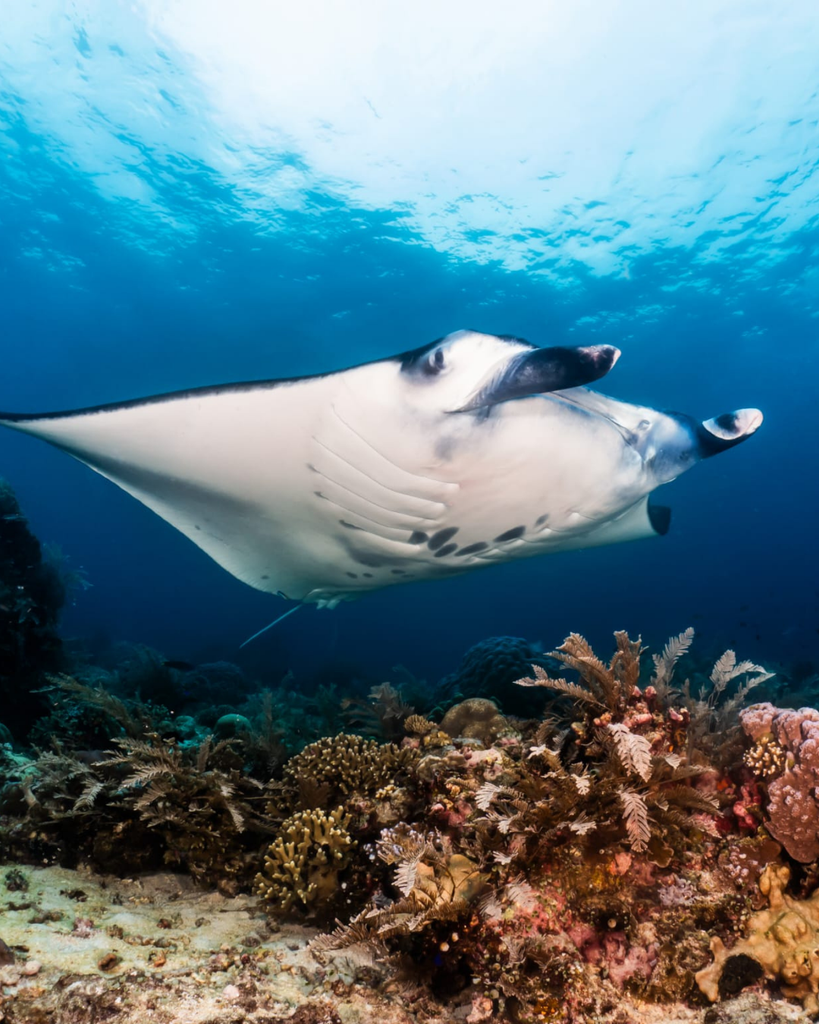
Returning divers sometimes wonder whether revisiting a destination means seeing the same reefs again. It may include a favourite site, but the dive itself will not stand still.
A change in current can alter the route across the reef and the behaviour of the marine life. Fish may gather in another area. Sharks may patrol closer to the action. A manta cleaning station may be busy, quiet or full of surprises. The coral may be familiar, but the movement around it creates a new scene.
Your attention changes as well. On a first Komodo liveaboard experience, you may be absorbed by the scale of the reef, the current and the larger animals. On a later trip, you may have enough calm and confidence to notice a camouflaged frogfish, a tiny nudibranch or the behaviour of a single fish defending its territory.
Returning does not always mean finding a completely different place. Sometimes it means finally seeing what was there all along.
The ocean may lead the trip, but the people onboard give it a personality.
Every group develops its own rhythm. Some guests are waiting on the dive deck before the briefing begins. Others become devoted to the post-dive snack routine. Some evenings stretch into long conversations under the stars, while others become quiet early because everyone has happily run out of energy.
Over several days, strangers share dive stories, compare photographs, help one another with equipment and laugh about moments that make sense only to the people who were there. A new mix of guests changes the mood at the table, on deck and in the water. That chemistry becomes part of the liveaboard experience, and it cannot be recreated on demand.
The dive team also considers the experience and comfort of the guests when planning groups. Divers are not simply placed together as one large unit. Thoughtful grouping supports safer, more enjoyable dives and gives each person more space to settle into the trip.
Even if the ocean somehow stayed exactly the same, you would not.
Perhaps your buoyancy has improved. You may feel more relaxed in current, use your air more efficiently or have started taking underwater photographs. A site that once required all your concentration may feel more comfortable the next time, leaving you free to notice the wider reef and the smaller details within it.
This is one of the quiet rewards of a second liveaboard experience. You are not only discovering how the destination has changed. You are discovering how you have changed inside it.
For anyone who felt slightly overwhelmed on a first visit to Komodo, returning can be particularly rewarding. The daily rhythm feels familiar, the equipment routine is easier and there is less energy spent anticipating every unknown. Familiarity does not remove the excitement. It creates more room to enjoy it.
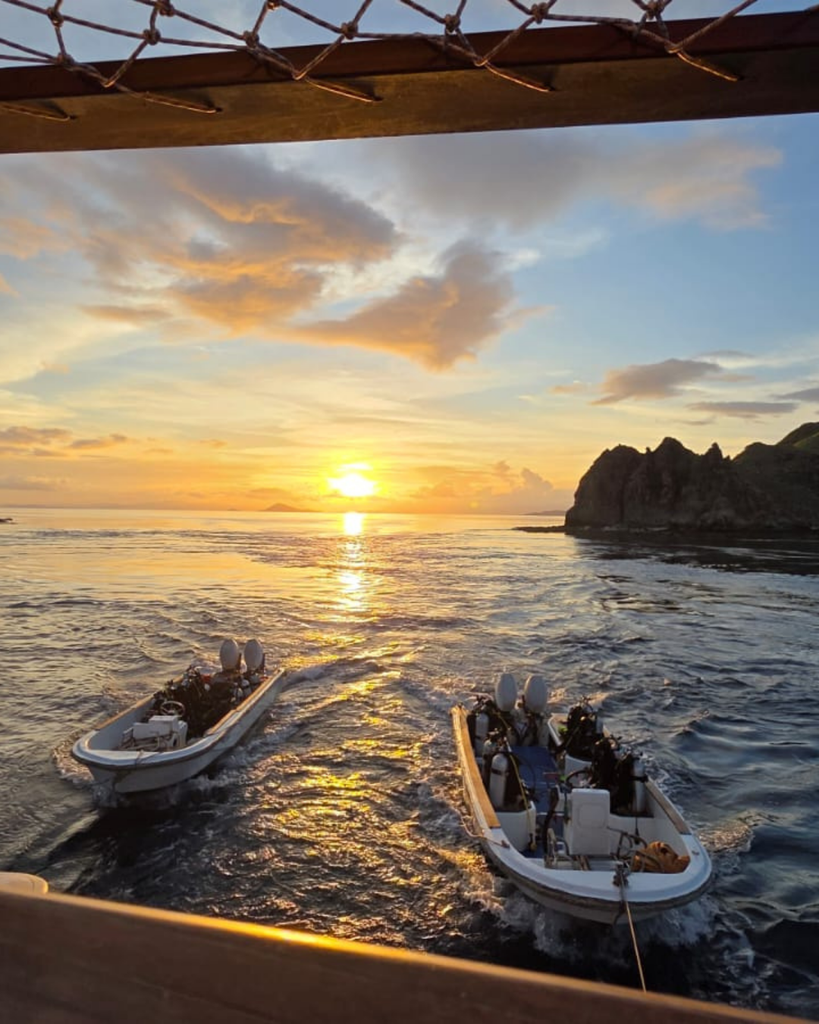
Not every important moment happens underwater. The hours between dives shape the memories too.
A liveaboard experience aboard Scuba Junkie KLM Eliya might begin with early coffee on deck as the islands slowly come into view. Later, meals turn into conversations, surface intervals are spent looking through photographs and the day closes with a sunset from a new anchorage. There is also the simple comfort of returning from a dive to find the next tank being prepared and something good waiting to eat.
On another departure, the view may be recognisable, but the weather, conversations, shared jokes and small routines will be new. These moments are difficult to plan and impossible to reproduce exactly. They are often the reason a trip stays vivid long after the individual dives begin to blend together.
The boat provides a familiar home at sea, but what happens within that space belongs to one particular group and one particular week.
Coming back does not mean trying to recreate the first trip. It means arriving with curiosity about what will be different.
You might revisit a favourite site in completely new conditions. You might finally encounter an animal you missed before, or become fascinated by something you barely noticed the first time. You may arrive hoping for one specific moment and leave talking about something no one could have predicted.
This is why a second liveaboard experience can feel as exciting as the first, but in a different way. The first trip brings discovery. The next adds recognition, confidence and a deeper understanding of the place. It is less about ticking off a destination and more about building a relationship with it.
For previous guests, Scuba Junkie KLM Eliya may feel familiar as soon as they step aboard. Then the ocean begins changing the details.
Same boat. Same destination. A completely different week.
No. Conditions, routes, marine life, guest dynamics and your own development as a diver all influence the trip. Even departures aboard the same boat and in the same destination will unfold differently.
Some favourite locations may appear on more than one itinerary, but routes are not fixed. The dive team selects sites according to currents, tides, weather, diver experience, guest requests and the overall plan for the trip. Safety and conditions guide the final decisions.
Possibly, but wildlife encounters can never be guaranteed. Animals move freely, and sightings change with location, conditions and luck. Even at a familiar site, the behaviour and atmosphere of the dive may be completely different.
No. Scuba Junkie Liveaboards groups divers according to experience and comfort so that everyone can enjoy dives suited to their ability while supporting safe group planning.
The standard 6D5N Komodo itinerary aims for up to 20 dives. The exact schedule can vary according to conditions and any land excursions included during the trip.
There are regular dive trips, and then there are true expeditions.
The journey from Raja Ampat to Alor with Scuba Junkie Liveboards KLM Eiya belongs firmly in the second category: an 11-day Banda Sea crossing through some of the most remote, untouched and spectacular waters in Indonesia. Stretching across nearly 1,500 kilometres of archipelago, this voyage connects the legendary reefs of Raja Ampat to the volcanic wilderness of the Banda Sea before ending in the biodiversity-rich waters of Alor.
For divers looking for more than a standard liveaboard itinerary, this is a voyage into the heart of the Ring of Fire, a region shaped by tectonic forces, deep ocean currents and centuries of isolation, and one of the most biodiverse marine environments on Earth.
The expedition departs from Sorong, gateway to Raja Ampat. From there, we will head south toward Misool, the wildest and most visually dramatic region of southern Raja Ampat.
Towering limestone karsts rise above turquoise lagoons. Underwater, the reefs explode with life: dense schools of fusiliers and snappers drifting across coral slopes draped in giant sea fans, barracudas patrolling blue-water drop-offs, manta rays circling cleaning stations. Misool delivers everything Raja Ampat promises, and then some.
But unlike most Raja Ampat liveaboard itineraries, this Banda Sea expedition does not stop there.
Crossing into the Banda Sea changes the atmosphere entirely. The reefs become more remote. The distances are longer. The ocean is deeper and wilder.
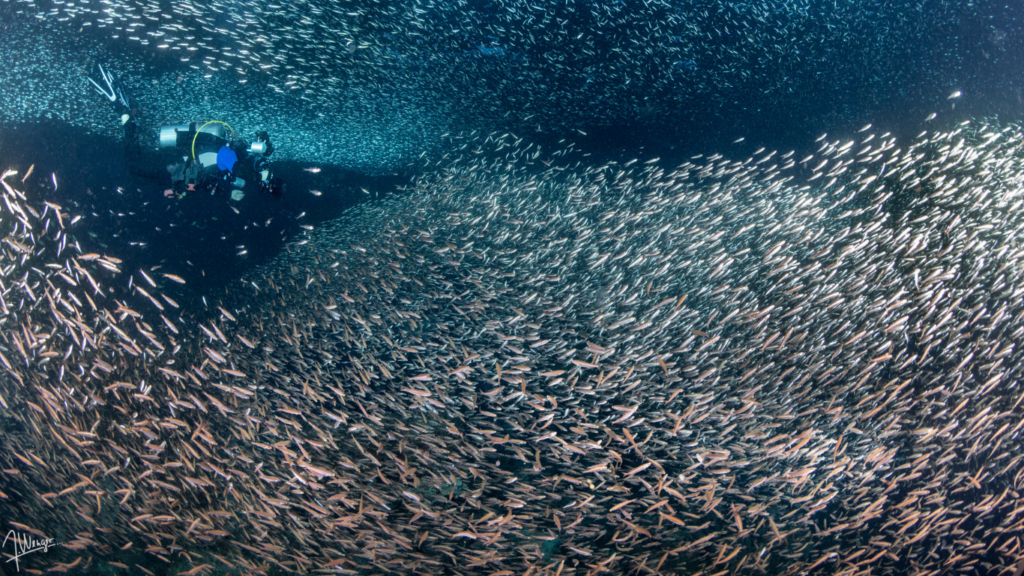
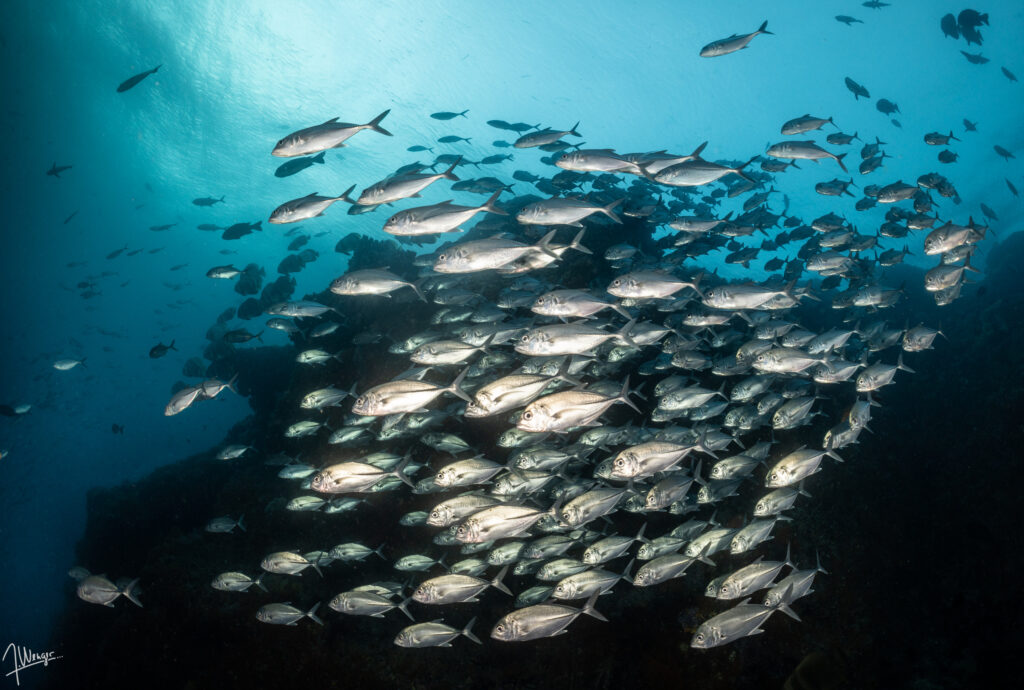
One of the expedition highlights is Pulau Koon, home to a site known simply as “Too Many Fish”. The name barely does it justice. Massive schools of reef fish blanket the reef in astonishing density, while turtles, sharks and pelagic predators move constantly through nutrient-rich currents.
Further south lies Pulau Manuk, an isolated volcanic island rising abruptly from the open Banda Sea. Black volcanic cliffs steam under the tropical sun while thousands of seabirds circle overhead. Below the surface, it offers one of the most unusual diving experiences anywhere in the world.
Manuk is famous for its sea snakes — not the occasional encounter most divers experience elsewhere — but the huge numbers of highly active sea snakes hunting together across the reef slopes, weaving through schools of fish alongside giant trevallies. The kind of dive that stays with you for a long time to come.
As the voyage pushes deeper into the Banda Sea, the sense of isolation becomes even more striking. Remote volcanic islands such as Teun, Nila, Serua, Romang and Wetar sit far from regular tourism routes, surrounded by deep ocean currents and vast open water.
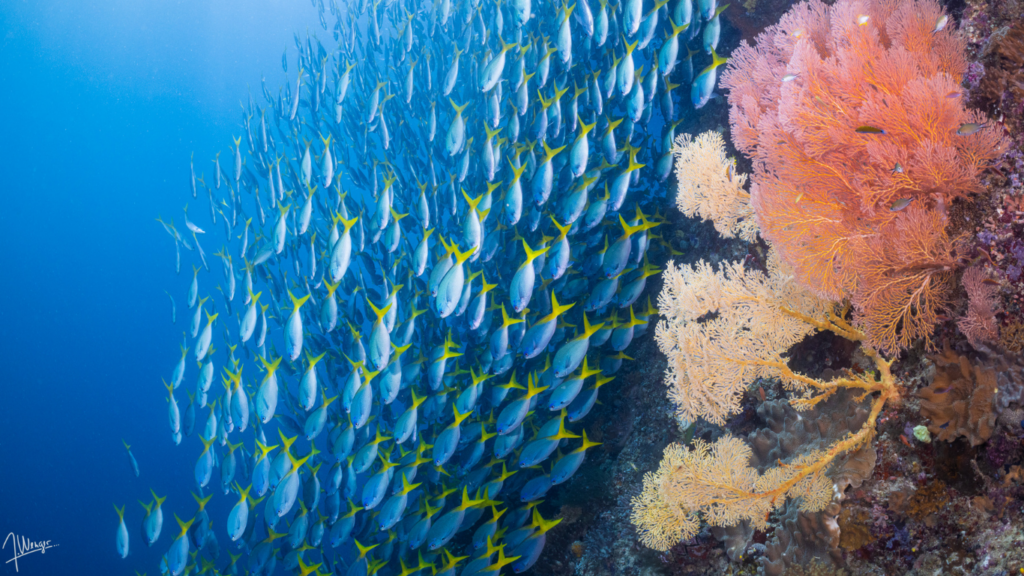
The diving here feels raw and untamed: steep walls disappearing into the blue, offshore pinnacles swept by current, reefs alive with schools of jacks, fusiliers and roaming predators. Between dives, rugged coastlines and dramatic volcanic scenery reinforce what this trip really is — one of Indonesia’s truly wild frontiers.
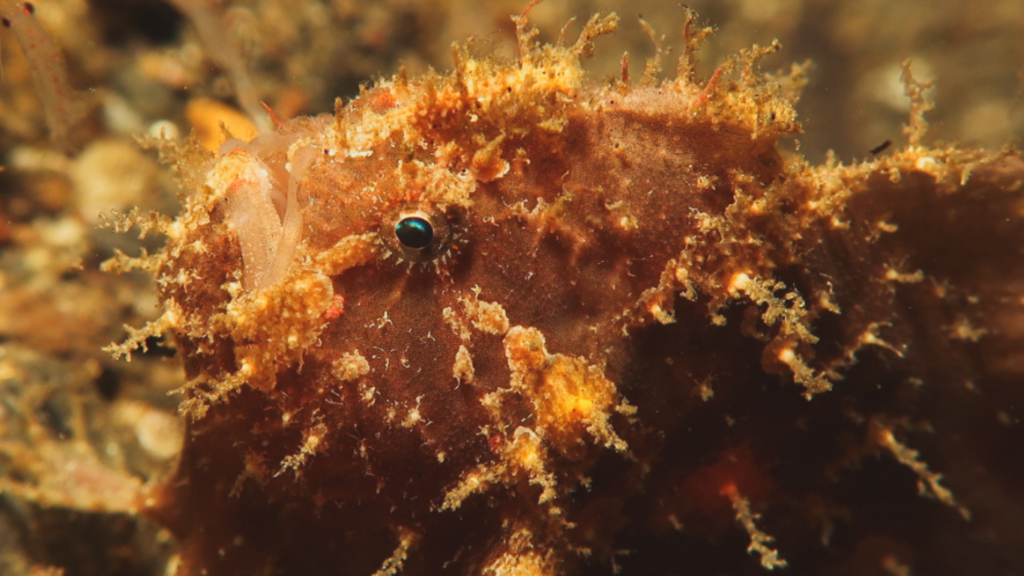
The final chapter unfolds in Alor, widely considered as one of Indonesia’s most underrated diving destinations.
Nutrient-rich currents flowing through the Pantar Strait create ideal conditions for marine biodiversity. Depending on seasonal conditions, mola mola and hammerhead sharks may appear in the blue. And after days of drift dives and volcanic reef systems, the expedition slows down with an evening muck dive in Kalabahi Bay, where frogfish, nudibranchs, crustaceans and other macro creatures hide in dark volcanic sand.
A fitting finale to a journey defined by variety.
This is not a trip for everyone, and that is entirely the point.
The Raja Ampat to Alor crossing is designed for experienced divers comfortable to dive in currents as currents dictate the dives in this expedition. Every island feels isolated from the modern world.
Recommended experience level: intermediate to advanced divers. Drift diving experience is strongly advised.
The crossing is typically operated during the transitional seasons, March to May and September to November, when prevailing winds shift and sea conditions allow for safe passage through the open Banda Sea. These windows also coincide with optimal conditions in both Raja Ampat and the Banda Sea, where thermoclines bring cooler, nutrient-rich water and increase the chances of pelagic encounters.
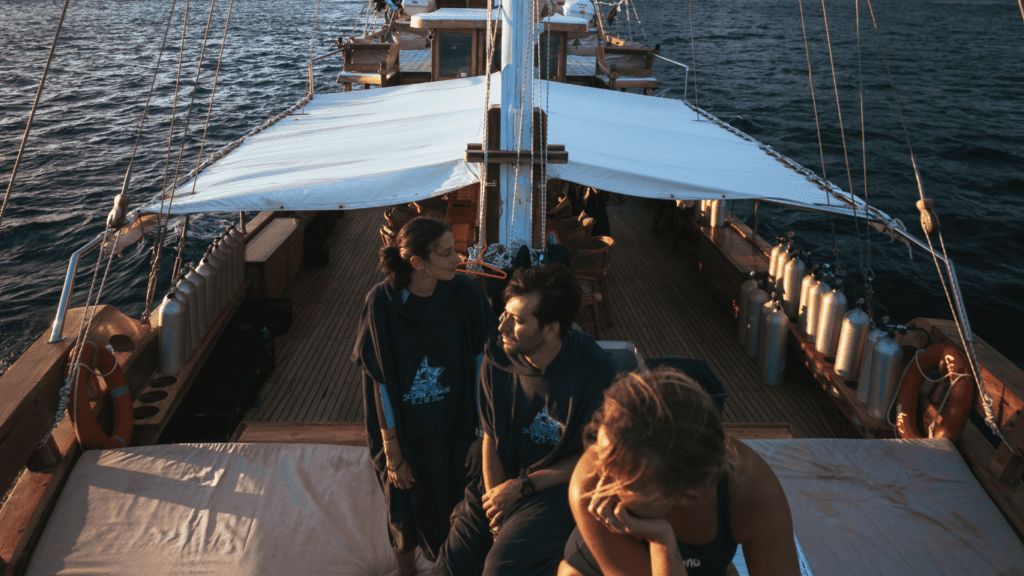
Over 11 days, life onboard our KLM Eliya settles into the rhythm of the sea: sunrise briefings, long crossings under starlit skies, remote anchorages and conversations shared on deck after unforgettable dives.
The dive guides aboard KLM Eliya know these waters intimately. Their knowledge of currents, seasonal behaviour and site-specific marine life is what turns a good dive into an exceptional one. In waters this remote, that expertise matters and it is those expertise that will give you the best expedition experience all while looking after the environment.
More than a dive trip, this voyage moves through multiple ecosystems, geological worlds and cultural regions, from Raja Ampat’s limestone lagoons to the active volcanoes of the Banda Sea and the remote communities of Alor. It feels closer to an old-style ocean expedition than a conventional dive cruise.
This is the kind of journey divers talk about for years. Spots go quickly, and for good reason. So, time to join the Scuba Junkie Liveaboards family and come share our passion for the ocean!
Check availability or contact the team now to book your next diving adventure.
How long is the Raja Ampat to Alor Banda Sea Liveaboard Expedition?
KLM Eliya’s Sorong to Alor expedition runs over 11 days, covering approximately 1,500 kilometres of Indonesian archipelago across Raja Ampat, the Banda Sea and Alor.
What experience level is required?
Intermediate to advanced divers. You will encounter strong currents, open-ocean crossings and multi-day sea passages. Drift diving experience is strongly advised. This trip is not suitable for beginners.
What is the best time to do this crossing?
March to May and September to November are the recommended windows, when seasonal conditions allow safe passage through the Banda Sea and maximise opportunities for pelagic encounters.
What marine life can I expect?
Manta rays, reef sharks, sea snakes, giant trevallies, massive schools of jacks and fusiliers, turtles, frogfish and nudibranchs throughout the route. Depending on timing, mola mola and hammerhead sharks are possible in Alor. The species variety across 1,500 kilometres is extraordinary.
How do I get to Sorong?
Sorong is served by domestic flights from Jakarta, Bali, Makassar and Manado. Most guests fly via Jakarta or Bali. Plan for at least one overnight in Sorong before embarkation.
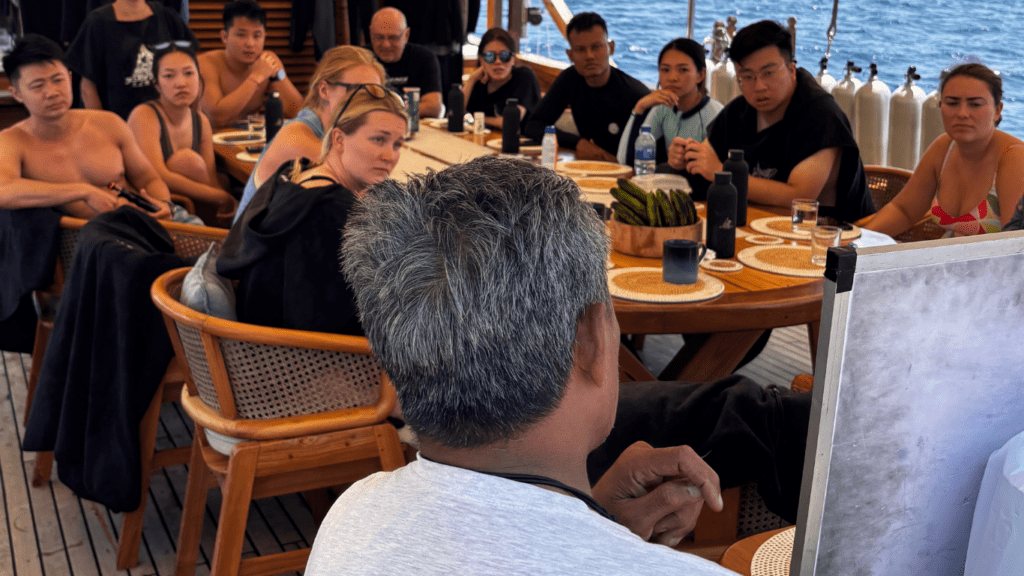
There’s a moment before every dive when everything slows down.
You’re geared up. The ocean stretches out around you. The briefing is fresh in your mind. And just before you step in, there’s one person you naturally look toward.
Your dive guide.
On a liveaboard, that role becomes something more than just leading a dive. A great liveaboard dive guide shapes the entire experience — quietly, consistently, and often without you even noticing.
At first glance, it might seem simple. The guide shows the way, points out marine life, and brings the group back safely.
But in reality, there’s much more happening beneath the surface.
A liveaboard dive guide is constantly reading the environment:
None of this is random. It’s observation, experience, and decision-making — all happening in real time.
Long before anyone enters the water, a good dive guide is already planning the dive.
Conditions in places like Komodo National Park, Raja Ampat, or the Banda Sea are never static. Tides shift, visibility changes, and currents can vary from one hour to the next.
A strong liveaboard dive guide will:
It’s not about following a fixed route. It’s about choosing the best option for that moment.
One of the key parts of a great liveaboard dive guide is not just how they guide underwater — but how dives are organised before anyone even enters the water.
At Scuba Junkie Liveaboards, divers are grouped based on experience level. This allows each dive to be planned at the right pace, depth, and conditions for the group, making the experience both safer and more enjoyable for everyone.
A strong liveaboard dive guide then focuses on guiding that specific group:
This approach keeps dives smooth, relaxed, and enjoyable — whether it’s your first liveaboard or one of many.
The best dive guides make everything feel effortless.
You descend smoothly.
The current feels manageable.
Marine life appears at just the right moment.
The dive ends exactly where it should.
But behind that simplicity is constant awareness:
A great liveaboard dive guide is always thinking a few steps ahead — so you don’t have to.
No matter the destination — whether it’s Komodo, Raja Ampat, or a Banda Sea crossing — the approach remains the same.
Safety comes first.
That means:
Sometimes, it also means changing a plan entirely. Choosing a different site. Adjusting expectations.
And that’s part of what makes a great guide — knowing when not to push a dive.
On a liveaboard, your dive guide isn’t just there underwater.
They’re part of your entire day.
From morning briefings to surface intervals, from helping with gear to sharing stories at dinner — they’re part of the rhythm of life onboard.
With Scuba Junkie Liveaboards, that connection is what turns a series of dives into a complete experience.
It’s not just about where you go.
It’s about how you experience it.
The mark of a great liveaboard dive guide is often invisible.
You don’t always notice the decisions being made. You don’t see the adjustments happening in real time.
But you feel the result:
And by the end of the trip, you realise something simple:
You didn’t just follow a guide.
You were taken care of.
A liveaboard dive guide plans dives, leads underwater, monitors safety, and adapts each dive based on conditions and the group.
Yes. They are more involved throughout the entire trip, not just during dives.
By timing dives with tides, choosing appropriate sites, and positioning divers carefully underwater.
Yes, especially in destinations like Komodo, where dives can be adapted to different levels.
A great liveaboard dive guide doesn’t just show you the ocean.
They shape how you experience it.
They turn uncertainty into confidence, complexity into simplicity, and a series of dives into something that feels seamless and memorable.
And often, the best ones are the ones you don’t notice right away — because everything just feels right.