
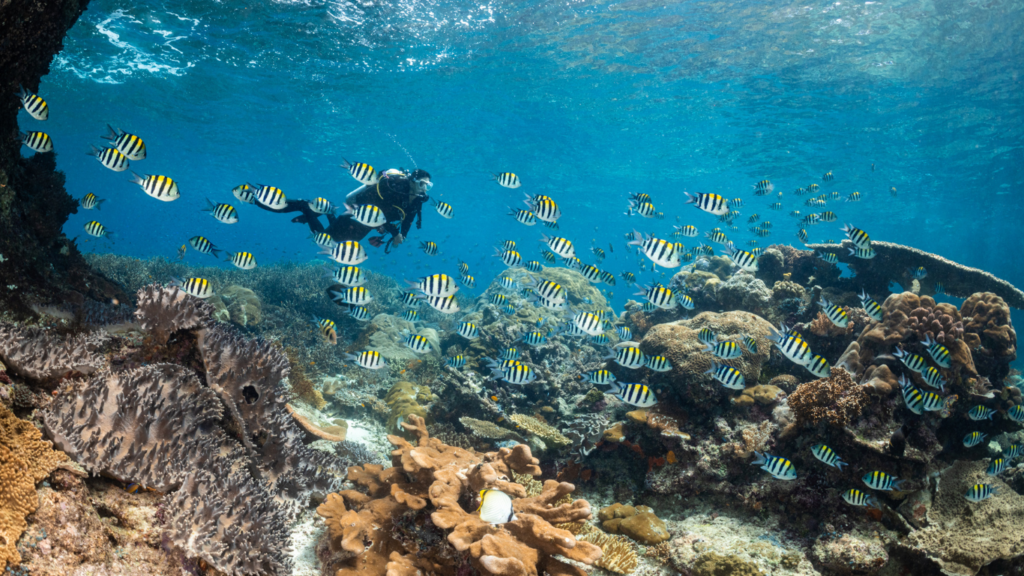
A liveaboard season can look effortless from the guest side. One month, Scuba Junkie KLM Eliya is moving between the islands of Komodo. Soon afterwards, Raja Ampat appears on the schedule. The map changes, the photographs change and a new group steps aboard in another part of Indonesia.
Between those two departures is a much bigger story.
Changing destinations involves maintenance, route planning, supplies, crew preparation and careful communication with future guests. The vessel may remain familiar, but the environment around it changes dramatically. Komodo and Raja Ampat each have their own geography, diving conditions, logistics and daily rhythm.
This is what happens when one liveaboard season closes and another begins.
Liveaboards move because different regions offer different windows through the year. Weather, surface conditions and local diving patterns all help shape when an operation visits a destination. The calendar is not a promise that the sea will behave identically every day. It is a framework built around the periods that generally suit each region.
Komodo and Raja Ampat are both Indonesian dive destinations, but they should never be presented as interchangeable. Komodo is known for dramatic island landscapes, varied water movement, manta encounters, sharks, coral gardens and an impressive mix of large and small marine life. Raja Ampat offers dense reef systems, remarkable biodiversity, schooling fish, mantas, wobbegongs, macro life and iconic limestone scenery.
The change is exciting precisely because it is not a copy-and-paste operation. A new liveaboard season asks the boat and crew to adapt while protecting the standards guests expect onboard.
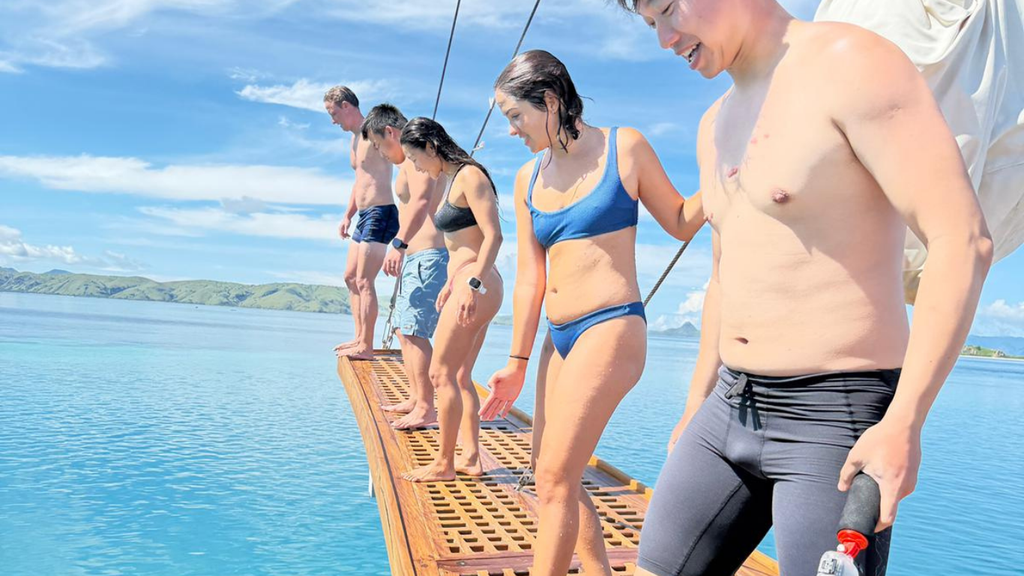
Before the transition begins, the previous chapter deserves a proper ending. The final Komodo trip is not simply the last line in a schedule. It is a week of guest photographs, dive briefings, meals, changing conditions and shared stories.
Those last guests experience Komodo as a complete trip, even while the team knows a major transition is approaching. Their dive days still require the same attention as the first departure of the year. Tanks must be filled, tenders prepared, meals served and routes chosen around the conditions.
Only after that final group leaves does the focus of the liveaboard season shift completely. Guest routines pause. Maintenance and preparation take their place.
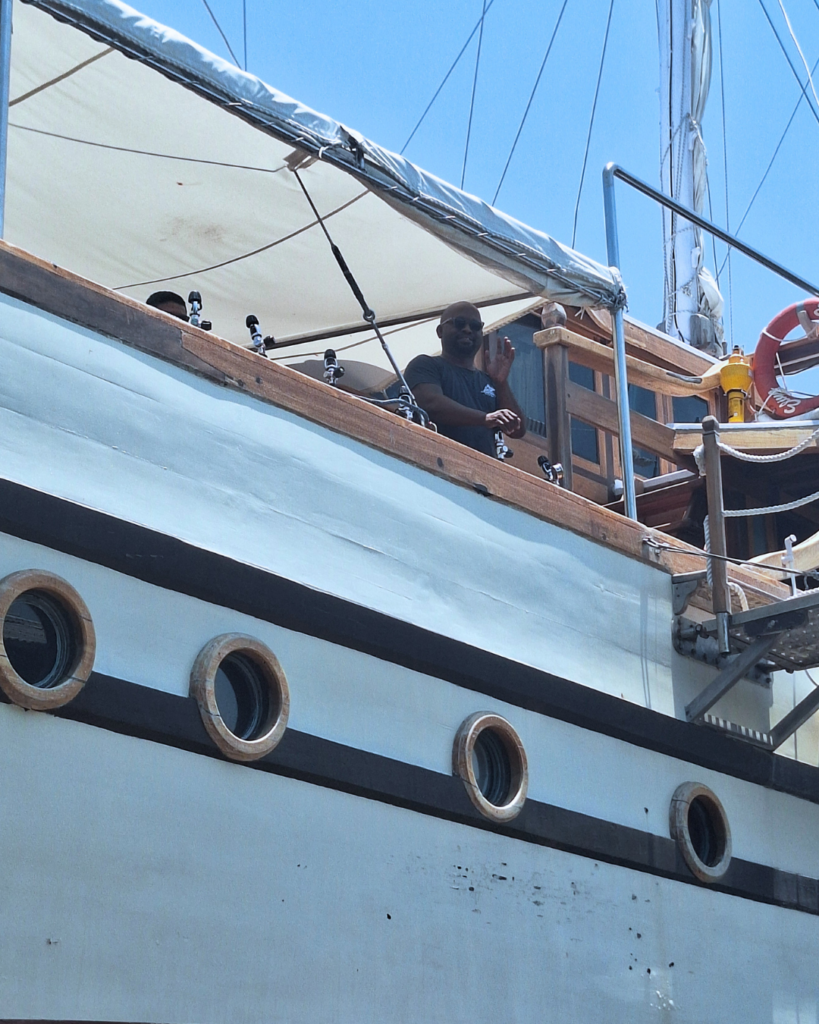
Scuba Junkie KLM Eliya leaves the water before beginning the next stage. This allows the team to inspect normally submerged areas and complete the appropriate planned work. The hull and external components become accessible, while jobs throughout the boat can be organised without an active guest trip underway.
The visible content may include sanding, inspection, paint, carpentry and hands at work. The underlying purpose is preparation. Dry dock creates a defined period to look closely, respond to what is found and help the vessel enter the next liveaboard season ready for a different journey.
It is also a useful reminder that a beautiful boat does not remain that way by accident. Comfort and reliability depend on consistent work, not only on the final photographs.
It is tempting to imagine the transition as a single line from Komodo to Sorong. In reality, planning begins long before the vessel starts moving. Routes, timing, fuel, supplies, local coordination and operational requirements all need attention.
The team must consider what will be available later and what needs to be prepared beforehand. Raja Ampat is remote, and different trip lengths place different demands on provisioning. Food, drinking water, linens, guest supplies, dive equipment and spare items must be organised for the planned departures.
This is where a liveaboard season becomes a logistics story as much as a diving story. Guests may see a neatly prepared cabin and a calm dining area. The crew sees lists, quantities, storage and the responsibility of having the right items onboard when the nearest convenient replacement may be far away.
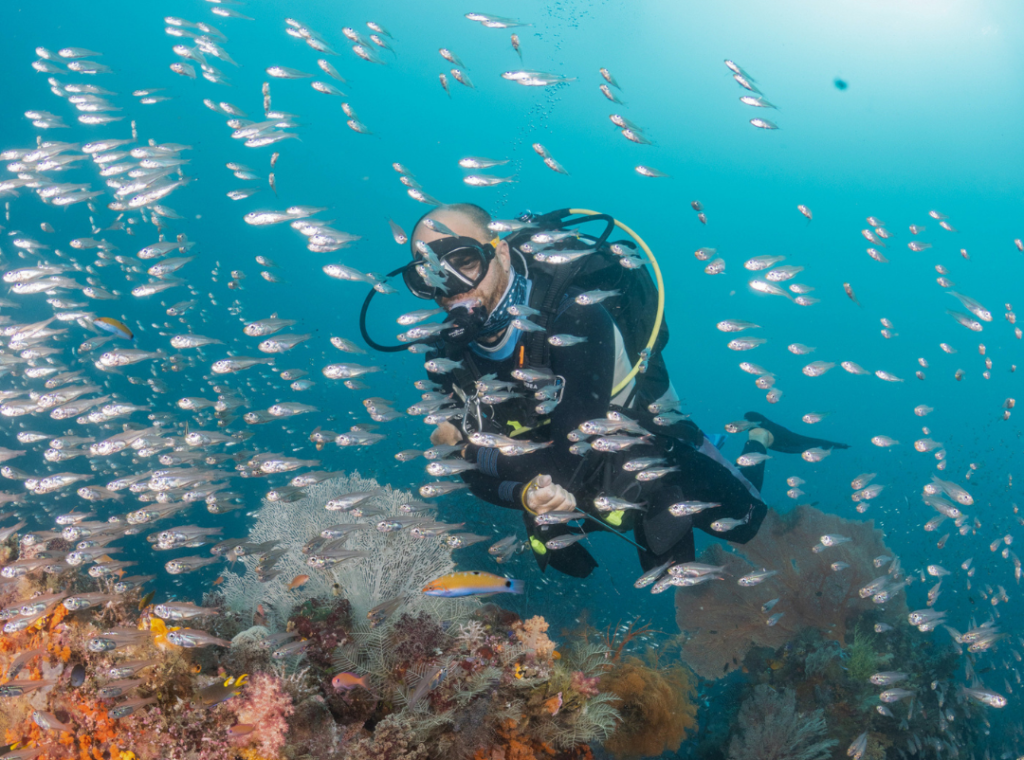
Raja Ampat requires its own operational thinking. The official Scuba Junkie itineraries explain that site choices respond to conditions, tides, diver experience and guest requests where possible. The 7-day central itinerary may include areas around Penemu, the Dampier Strait and Cape Kri. Longer 8-day and 9-day trips can expand into southern Raja Ampat, including the Misool area, depending on the specific route and conditions.
The dive team prepares for different site layouts, water movement, tender approaches and briefing priorities. Guests also need the right preparation. For the 2026–27 Raja Ampat itineraries, Scuba Junkie requires a minimum Open Water certification plus a Deep Adventure Dive that allows diving to 30 metres, at least 20 logged dives and a most recent dive within nine months of embarkation.
These requirements are not designed to make the destination feel exclusive. They help guests arrive with a foundation suited to the planned diving. A strong liveaboard season depends on matching exciting itineraries with appropriate preparation.
Even as the destination changes, much of what makes the boat feel like home remains. Guests still wake aboard Scuba Junkie KLM Eliya. Briefings still take place before the dives. The dive deck still becomes the centre of activity several times a day. Meals, camera conversations and quiet moments on the upper deck still shape the hours between the water.
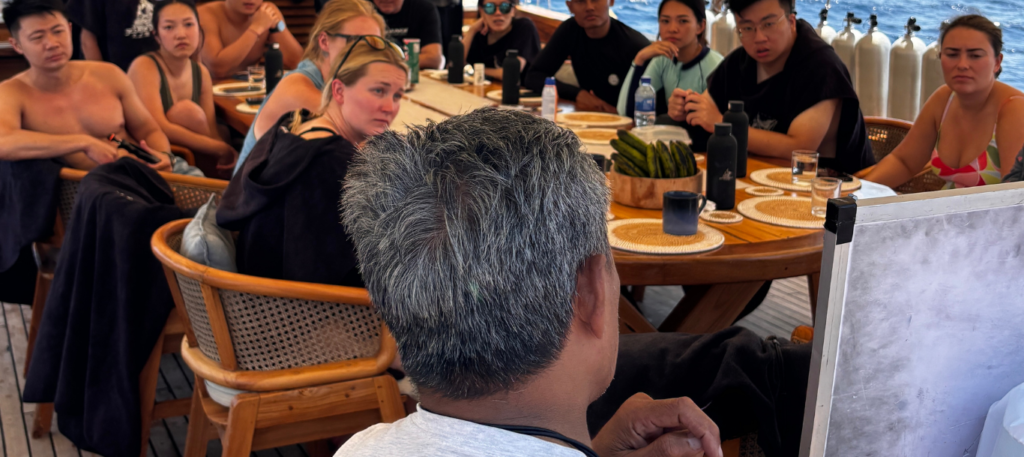
This continuity is part of the appeal. Returning guests can recognise the crew’s warmth and the rhythm of life onboard while experiencing an entirely new region outside.
The best liveaboard season content should show both sides of that story. Raja Ampat brings a new horizon, but the boat does not lose its character when the coordinates change.
The anticipation around Raja Ampat is not only about species lists. Underwater, the density of coral and fish life can make the reef feel busy before a diver has identified a single animal. Wide scenes compete with small details. A wobbegong may be resting beneath a ledge while schooling fish fill the water above it.
At the surface, green karst islands, sheltered anchorages and long stretches of blue make the journey visually different from Komodo. Even a surface interval can feel connected to the destination.
This is why the October transition should not become a month of workshop photographs alone. Maintenance builds trust, but the blue imagery explains what all that work is preparing for.
By the time the first Raja Ampat guests step onboard, much of the transition story is already complete. The boat has moved, supplies have been loaded, cabins prepared and arrival details confirmed. The guests see the beginning of their trip. The crew sees the result of weeks of work.
Then the familiar routine begins again. Welcome drinks. A vessel and safety briefing. Time to settle into the cabins. The first movement away from Sorong and, later, the first check dive.
A liveaboard season is measured in departures, but it is built in the days between them. Komodo closes. Dry dock reveals the work. Raja Ampat provides the next horizon. Scuba Junkie KLM Eliya connects the whole story.
The operation follows seasonal windows that generally suit each region. The destinations offer different diving, landscapes and logistics, allowing guests to experience more of Indonesia from the same familiar vessel.
No. Sample itineraries show the intended regions and number of dives, but exact site choices remain subject to conditions, tides, diver experience and operational decisions.
For the published 2026–27 itineraries, divers need at least an Open Water certification plus a Deep Adventure Dive to 30 metres, 20 logged dives and a most recent dive within nine months. Guests should confirm current requirements before booking.
No. The 7-day trip focuses on central Raja Ampat, while the published 8-day and 9-day routes combine central and southern areas. Actual routes remain subject to conditions.
Operational teams can vary, but the aim remains consistent: thoughtful planning, professional dive operations and the warm atmosphere guests associate with Scuba Junkie KLM Eliya.
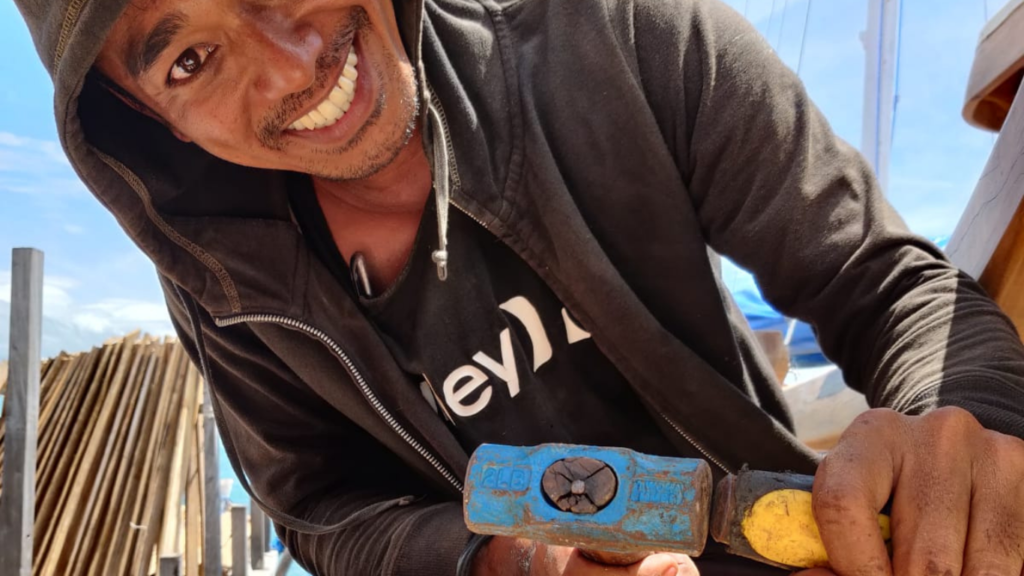
Liveaboard maintenance is one of the least visible parts of a dive trip, yet it supports almost everything guests experience once they come aboard. Long before the first briefing, the first tender ride or the first giant stride, a liveaboard depends on regular inspection, careful upkeep and a team willing to pay attention to details that most passengers will never notice.
Dry dock brings that work into view. Scuba Junkie KLM Eliya is taken out of the water so areas that are normally submerged can be reached, inspected and maintained. It is not simply a cosmetic pause between destinations. It is an important working period that helps prepare the vessel, its systems and its guest spaces for the next stage of the season.
The exact work completed during any dry-dock period depends on planned maintenance and what the team discovers during inspection. Some jobs are expected before the boat arrives. Others only become clear once the hull is visible. That combination of planning and close observation is what makes the process so valuable.
When a boat is operating, much of its hull remains hidden beneath the surface. Dry dock changes that. With the vessel supported out of the water, the team can examine the underwater sections more closely and look for areas that need cleaning, repair or further professional assessment.
The hull is not just the part of the boat that appears in photographs. It is the structure separating the vessel from the sea, so its condition matters. Scratches, worn coatings or signs of marine growth can be easier to understand when the entire surface is accessible.
This is also why liveaboard maintenance cannot be judged only by how polished a boat looks from the deck. Some of the most meaningful work happens underneath, where guests may never see it once the boat returns to the water.
Warm tropical waters support extraordinary marine life, but they also make it easy for algae and other organisms to settle on underwater surfaces. Cleaning the hull helps the team inspect it properly and prepare it for any coating work that may be required.
For guests, this part of liveaboard maintenance is almost invisible. They may simply see Scuba Junkie KLM Eliya moving through open water. Behind that moment is the less glamorous work of keeping the underwater surfaces in suitable condition.
Dry dock also creates access around the parts that help a vessel move and manoeuvre. Depending on the maintenance plan and inspection findings, qualified personnel can check relevant external components more easily than they could while the boat was afloat.
This does not mean every dry dock involves replacing every component. Good maintenance is not about creating dramatic work for the camera. It is about inspecting carefully, identifying what actually needs attention and completing the appropriate work before the next passage.
That measured approach is an important part of professional liveaboard maintenance. The goal is not to make the process look impressive. The goal is to help the vessel return to operation prepared for the journeys ahead.
A liveaboard is both a vessel and a temporary home. It carries systems for navigation, communication, power, water, air conditioning, food preparation and daily guest life. Dive operations add another layer, including compressors, cylinder handling areas, camera charging points and tender support.
Not every system requires the same task at the same time, but a maintenance period creates space for scheduled checks and repairs. The team can work methodically without a guest departure immediately following breakfast.
This quieter working window matters. During a trip, the crew focuses on safe operations and the guest experience. During dry dock and preparation, liveaboard maintenance can move to the centre of the schedule.
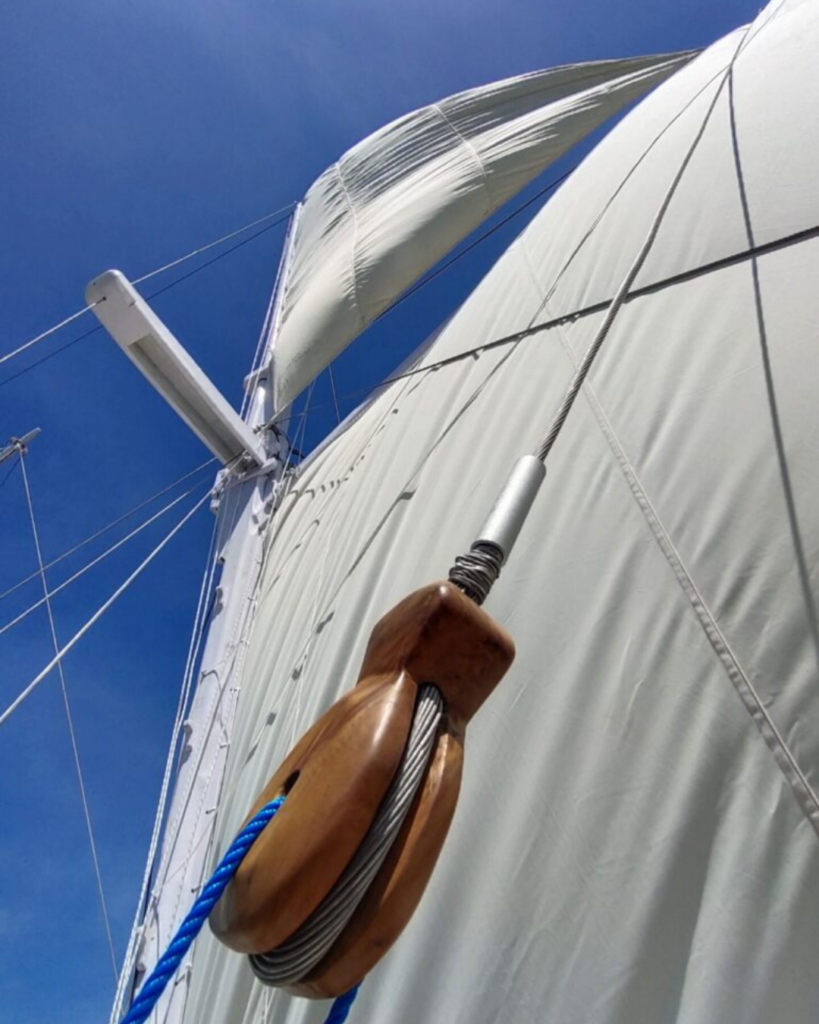
For divers, the dive deck is one of the most important working spaces onboard. It is where equipment is stored, cylinders are prepared, cameras are organised and divers get ready to enter the tenders. A small detail in this space can influence the rhythm of every dive day.
Dry dock gives the team time to inspect high-use areas, review the layout and take care of wear created by a busy season. Benches, storage, ladders, fittings and working surfaces may all need different levels of attention.
Thoughtful liveaboard maintenance protects more than the appearance of the dive deck. It helps preserve the calm, organised routine guests rely on when several divers are preparing at once.
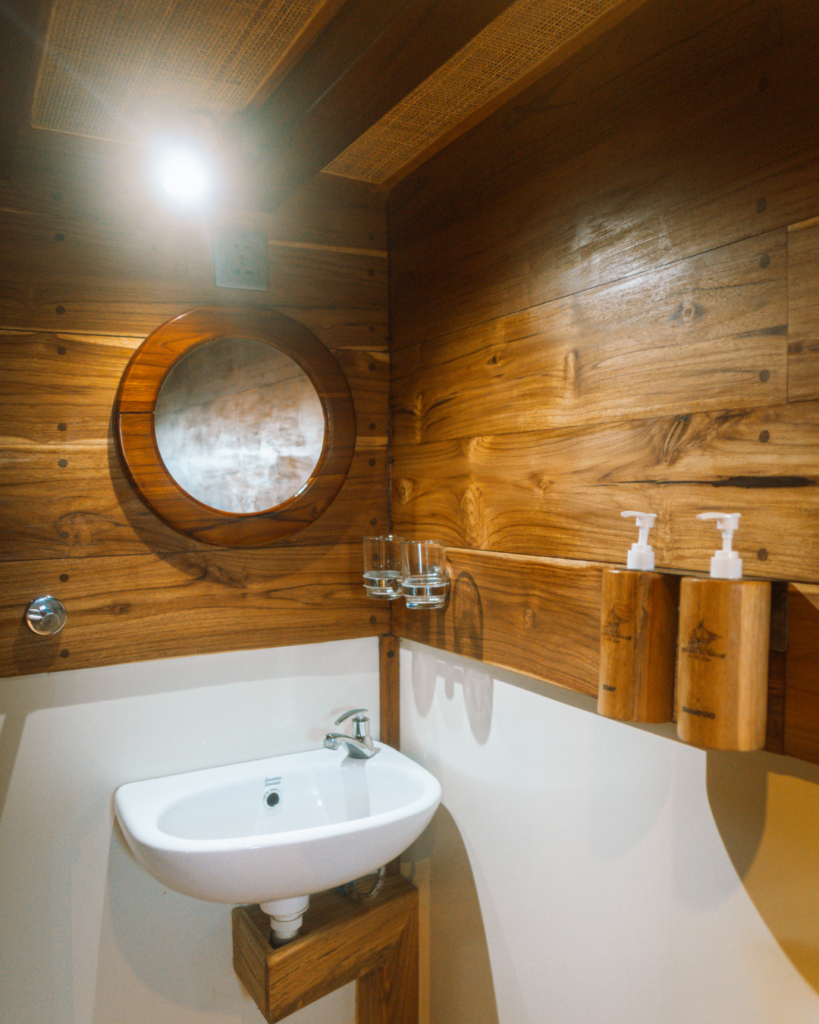
The technical side of a boat may receive much of the attention, but guest spaces also work hard during a season. Cabins, bathrooms, dining areas, the camera station and relaxation spaces are used every day, often from dawn until long after dinner.
Refreshing these areas may involve carpentry, finishes, fixtures, fabrics or smaller repairs that prevent minor wear from becoming a larger problem. On a handcrafted phinisi, this work also helps preserve the character of the boat rather than replacing it with something generic.
This is where the lightly luxurious side of liveaboard maintenance becomes very practical. Comfort is not created by one dramatic feature. It is created by many small details working as they should.
Finishing an individual job is not the same as finishing the maintenance period. Work needs to be reviewed, spaces reorganised and relevant systems checked before the boat returns to regular operation. Supplies, dive equipment and guest areas must then be prepared for the next region and the next group.
For Scuba Junkie KLM Eliya, this dry-dock period also sits between two very different chapters. Komodo season has ended, while Raja Ampat is waiting. The transition involves more than moving the boat on a map. It requires the vessel and crew to be ready for a new route, new logistics and a different style of journey.
That is why liveaboard maintenance belongs in the story of the trip. It may happen without guests onboard, but its purpose reaches every guest who comes later.
Dry-dock content often focuses on tools, sanding, paint and the hull. The real story is the people doing the work. Crew members, craftspeople and technical specialists bring different knowledge to the process, and their decisions shape what happens next.
Some tasks are visually satisfying. Others are repetitive, slow or almost impossible to explain in a short video. All of them require attention. A well-run maintenance period is built from the same qualities guests value during a trip: communication, planning, experience and care.
When Scuba Junkie KLM Eliya returns to blue water, the visible transformation may be beautiful. The deeper value lies in the work that prepared the boat to keep moving.
Taking a vessel out of the water makes normally submerged parts of the hull accessible for inspection, cleaning and appropriate maintenance. The exact work depends on the vessel, schedule and findings.
No. Surface preparation and coatings may be part of the process, but dry dock can also support hull inspection, external component access, system maintenance and work throughout guest and dive spaces.
No. Planned jobs are combined with anything identified during inspection. A maintenance period should respond to the actual condition and needs of the vessel.
It helps explain that a liveaboard experience begins long before embarkation. Sharing the process also gives credit to the crew, craftspeople and specialists whose work supports each season.
The operational schedule depends on completion of the planned work and preparation for the next season. Follow Scuba Junkie Liveaboards for the transition from dry dock to Raja Ampat.
Every liveaboard experience begins with a plan, but the ocean decides how that plan unfolds. You can return to the same destination, step aboard the same boat and even revisit a favourite dive site, yet the trip will never be an exact copy of the one before.
That is especially true in places such as Komodo, Raja Ampat and the Banda Sea. These destinations may be marked on a map, but they are never static. Currents shift, marine life moves, light changes across the reef and each group brings a different energy onboard. Even you arrive as a different diver, carrying everything you learned on the trips that came before.
Returning is not repeating. It is giving a place the chance to show you another side of itself.
The ocean does not follow a fixed script. Conditions that created a gentle dive one week may bring stronger current the next. A reef covered in schooling fish during one visit may reveal its smaller residents on another. Visibility, water temperature, tides and sunlight all influence what a dive looks and feels like.
This natural variation is part of every liveaboard experience. Divers often remember a site by name, but the name only tells us where the dive begins. It cannot tell us where the fish will gather, whether a manta will pass overhead or which corner of the reef will hold everyone’s attention that day.
Wildlife sightings can never be guaranteed, and that honesty matters. Marine animals move freely. A return trip may bring the encounter you hoped for, but it may also introduce you to something you had never thought to look for. The uncertainty is not a flaw. It is what keeps the ocean wild.
A liveaboard itinerary is a carefully considered plan, not a rigid checklist. In Komodo, the dive team looks at currents, tides, weather, diver experience and guest requests before deciding where and when the group should enter the water.
That flexibility is not a lack of planning. It is better planning.
It allows the crew to choose the most suitable dives for the conditions in front of them instead of forcing every departure through exactly the same route. One trip may find its strongest moments in northern Komodo, while another spends more time in central or southern areas. Two departures may visit some of the same sites, but a different order and timing can transform the whole liveaboard experience.
The same principle applies beyond Komodo. Raja Ampat and the Banda Sea have their own seasons, weather patterns and possibilities. On every route, the goal is not to reproduce a previous week. It is to make thoughtful decisions for the week taking place now.
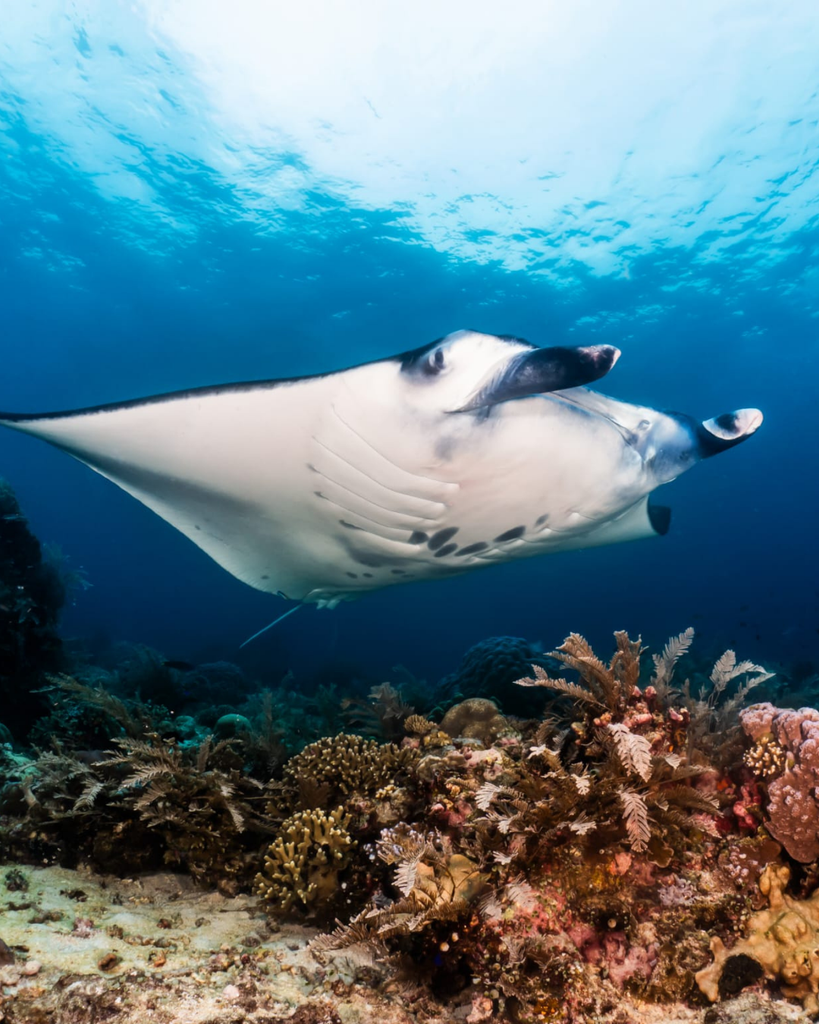
Returning divers sometimes wonder whether revisiting a destination means seeing the same reefs again. It may include a favourite site, but the dive itself will not stand still.
A change in current can alter the route across the reef and the behaviour of the marine life. Fish may gather in another area. Sharks may patrol closer to the action. A manta cleaning station may be busy, quiet or full of surprises. The coral may be familiar, but the movement around it creates a new scene.
Your attention changes as well. On a first Komodo liveaboard experience, you may be absorbed by the scale of the reef, the current and the larger animals. On a later trip, you may have enough calm and confidence to notice a camouflaged frogfish, a tiny nudibranch or the behaviour of a single fish defending its territory.
Returning does not always mean finding a completely different place. Sometimes it means finally seeing what was there all along.
The ocean may lead the trip, but the people onboard give it a personality.
Every group develops its own rhythm. Some guests are waiting on the dive deck before the briefing begins. Others become devoted to the post-dive snack routine. Some evenings stretch into long conversations under the stars, while others become quiet early because everyone has happily run out of energy.
Over several days, strangers share dive stories, compare photographs, help one another with equipment and laugh about moments that make sense only to the people who were there. A new mix of guests changes the mood at the table, on deck and in the water. That chemistry becomes part of the liveaboard experience, and it cannot be recreated on demand.
The dive team also considers the experience and comfort of the guests when planning groups. Divers are not simply placed together as one large unit. Thoughtful grouping supports safer, more enjoyable dives and gives each person more space to settle into the trip.
Even if the ocean somehow stayed exactly the same, you would not.
Perhaps your buoyancy has improved. You may feel more relaxed in current, use your air more efficiently or have started taking underwater photographs. A site that once required all your concentration may feel more comfortable the next time, leaving you free to notice the wider reef and the smaller details within it.
This is one of the quiet rewards of a second liveaboard experience. You are not only discovering how the destination has changed. You are discovering how you have changed inside it.
For anyone who felt slightly overwhelmed on a first visit to Komodo, returning can be particularly rewarding. The daily rhythm feels familiar, the equipment routine is easier and there is less energy spent anticipating every unknown. Familiarity does not remove the excitement. It creates more room to enjoy it.
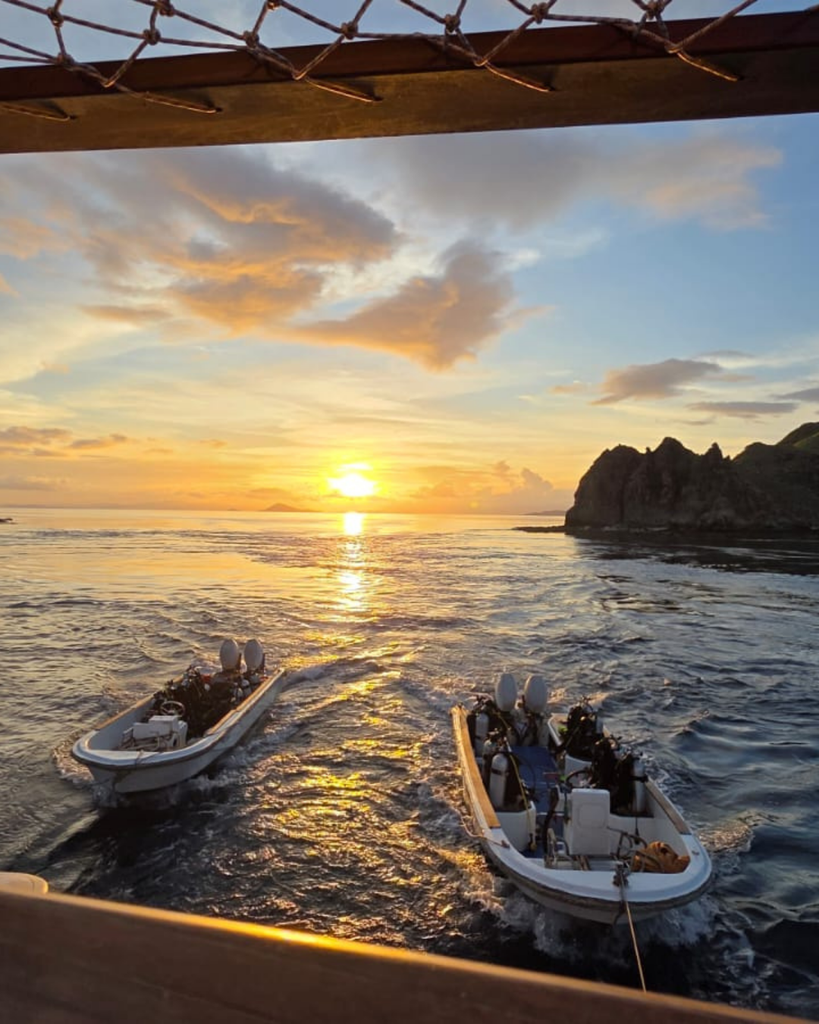
Not every important moment happens underwater. The hours between dives shape the memories too.
A liveaboard experience aboard Scuba Junkie KLM Eliya might begin with early coffee on deck as the islands slowly come into view. Later, meals turn into conversations, surface intervals are spent looking through photographs and the day closes with a sunset from a new anchorage. There is also the simple comfort of returning from a dive to find the next tank being prepared and something good waiting to eat.
On another departure, the view may be recognisable, but the weather, conversations, shared jokes and small routines will be new. These moments are difficult to plan and impossible to reproduce exactly. They are often the reason a trip stays vivid long after the individual dives begin to blend together.
The boat provides a familiar home at sea, but what happens within that space belongs to one particular group and one particular week.
Coming back does not mean trying to recreate the first trip. It means arriving with curiosity about what will be different.
You might revisit a favourite site in completely new conditions. You might finally encounter an animal you missed before, or become fascinated by something you barely noticed the first time. You may arrive hoping for one specific moment and leave talking about something no one could have predicted.
This is why a second liveaboard experience can feel as exciting as the first, but in a different way. The first trip brings discovery. The next adds recognition, confidence and a deeper understanding of the place. It is less about ticking off a destination and more about building a relationship with it.
For previous guests, Scuba Junkie KLM Eliya may feel familiar as soon as they step aboard. Then the ocean begins changing the details.
Same boat. Same destination. A completely different week.
No. Conditions, routes, marine life, guest dynamics and your own development as a diver all influence the trip. Even departures aboard the same boat and in the same destination will unfold differently.
Some favourite locations may appear on more than one itinerary, but routes are not fixed. The dive team selects sites according to currents, tides, weather, diver experience, guest requests and the overall plan for the trip. Safety and conditions guide the final decisions.
Possibly, but wildlife encounters can never be guaranteed. Animals move freely, and sightings change with location, conditions and luck. Even at a familiar site, the behaviour and atmosphere of the dive may be completely different.
No. Scuba Junkie Liveaboards groups divers according to experience and comfort so that everyone can enjoy dives suited to their ability while supporting safe group planning.
The standard 6D5N Komodo itinerary aims for up to 20 dives. The exact schedule can vary according to conditions and any land excursions included during the trip.
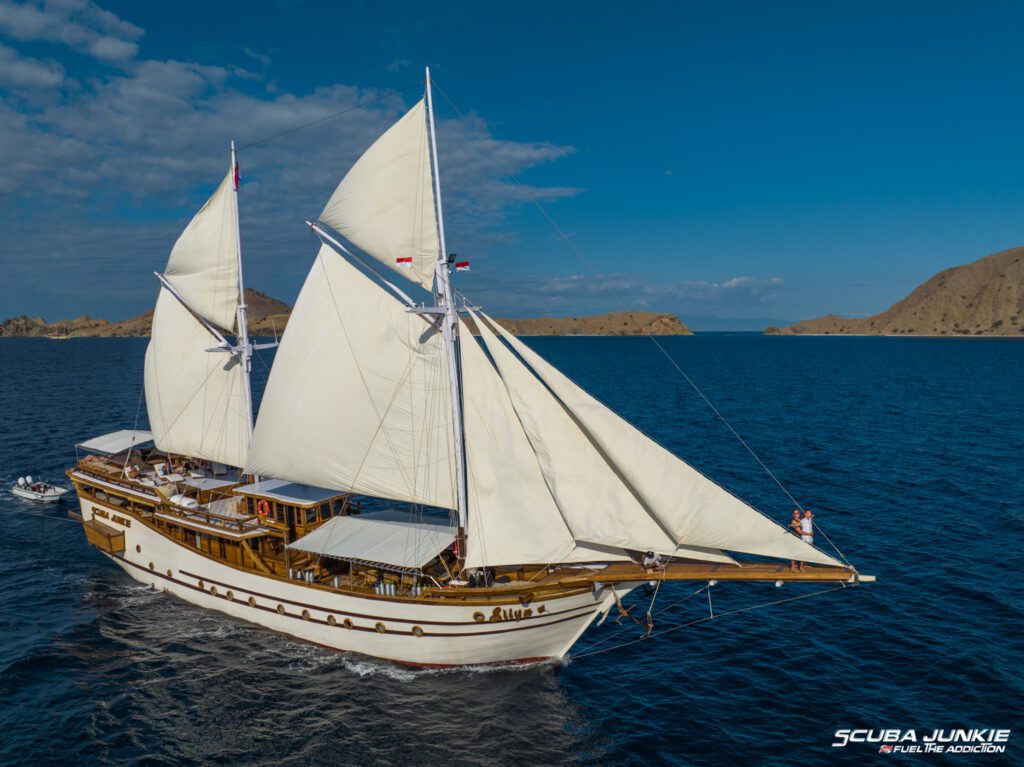
Long before diving trips, before liveaboards, before routes connecting Komodo, Raja Ampat, or the Banda Sea, there were ships built for something far more essential.
They were built to travel.
The phinisi liveaboard we know today began as something entirely different — a traditional Indonesian sailing vessel, crafted by the Bugis and Konjo people of South Sulawesi. For generations, these master shipbuilders created wooden boats designed to cross vast stretches of ocean, carrying goods, people, and stories between islands.
These were working ships. Strong, purposeful, and deeply connected to the sea.
They transported spices across trade routes, connected remote communities, and navigated Indonesian waters long before modern navigation existed. Built without written blueprints, their design was passed down through memory, skill, and experience — a living tradition shaped by those who understood the ocean intimately.
This craftsmanship became so significant that the art of building these vessels was recognized by UNESCO as part of the world’s intangible cultural heritage.
And yet, despite their long history, the story of the phinisi has never really stopped.
It has simply evolved.
Over time, the purpose of the phinisi began to change.
The same design that once carried cargo across Indonesia proved perfectly suited for a different kind of journey — one not driven by trade, but by exploration.
The structure remained the same. The spirit remained the same. But the experience onboard slowly transformed.
What was once a vessel built for movement became a place where people could stay, observe, and experience the ocean in a more personal way.
This is where the modern phinisi liveaboard begins to take shape.
Today, stepping onto a phinisi liveaboard still feels like stepping into that history — even if the experience itself has evolved.
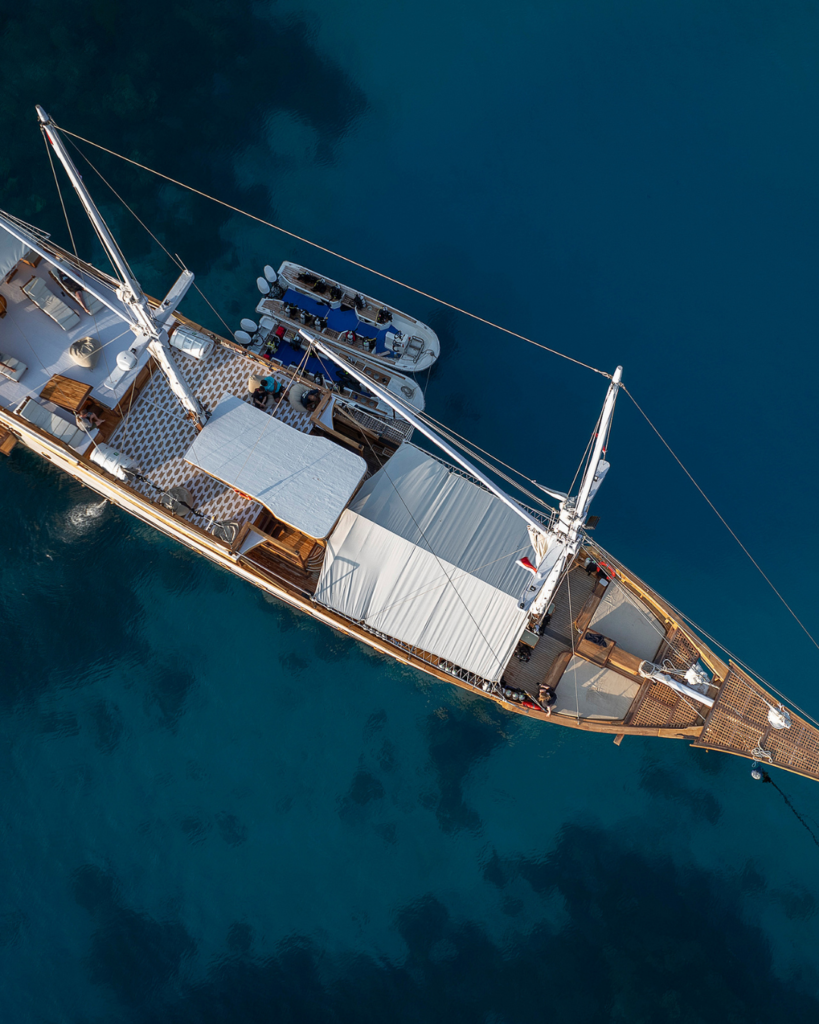
From the outside, the silhouette is unmistakable. The twin masts, the wooden hull, the proportions shaped by centuries of design.
But onboard, things feel different.
Spaces are designed for comfort. Cabins offer privacy and rest. Open decks invite you to slow down and take in your surroundings.
It is not about turning the vessel into something modern and unrecognisable.
It is about adapting it carefully — allowing tradition and present-day travel to exist together.
Once the journey begins, time takes on a different rhythm.
There is no rush. No fixed pace beyond the one set by the sea.
Mornings arrive quietly, often with the first light reflecting across the water. The horizon feels endless. The day unfolds naturally, without urgency.
Between dives, there is space — not just physically, but mentally.
You sit on deck. You watch the water move. You begin to notice the small details that often go unseen.
The sound of the hull cutting through the sea.
The warmth of the sun after a dive.
The stillness that settles in during longer crossings.
On a phinisi liveaboard, these moments are not interruptions.
They are part of the experience.
A phinisi was never meant to remain in one place.
It was designed to move — and that movement continues to define the experience today.
As KLM Eliya sails through regions like Komodo, Raja Ampat, and the Banda Sea, each journey unfolds differently.
Some days are filled with diving, exploring reefs shaped by currents and marine life. Other days are quieter, spent travelling between destinations, watching the landscape shift slowly around you.
There is a balance between action and stillness.
And over time, that balance becomes what you remember most.
KLM Eliya carries this heritage forward in a way that feels natural.
Built by master craftsmen and shaped by the experience of the Scuba Junkie Liveaboards team, she reflects both the tradition of the phinisi and the needs of modern divers.
She accommodates a small number of guests, creating space not just physically, but in the overall experience. The rhythm onboard remains unhurried. The focus stays on the journey as much as the destination.
There is a quiet confidence in the way she moves through the water.
Not trying to stand out — simply belonging.
Many boats can take you to a dive site.
A phinisi liveaboard offers something else.
It connects you to a way of travelling that is slower, more intentional, and more aware of its surroundings.
It is not about rushing from one location to another.
It is about being present for the journey itself.
And somewhere along the way, you begin to realise that the boat is no longer just transport.
It has become part of the experience.
A phinisi liveaboard is a traditional Indonesian wooden sailing vessel adapted for modern travel and diving, recognised by UNESCO as maritime heritage.
They are built by skilled Bugis and Konjo shipbuilders in South Sulawesi using techniques passed down through generations.
They were traditionally used for trade, transporting goods and people across Indonesian islands.
Yes. Modern vessels like KLM Eliya combine traditional design with comfortable living spaces suited for multi-day journeys.
A phinisi liveaboard is not just a way to explore Indonesia.
It is a continuation of a story.
A story shaped by the sea, carried through generations, and still unfolding today.
And when you step onboard, you are no longer just travelling across the ocean.
You are becoming part of that journey.