diving Raja Ampat

book now

DIVING RAJA AMPAT

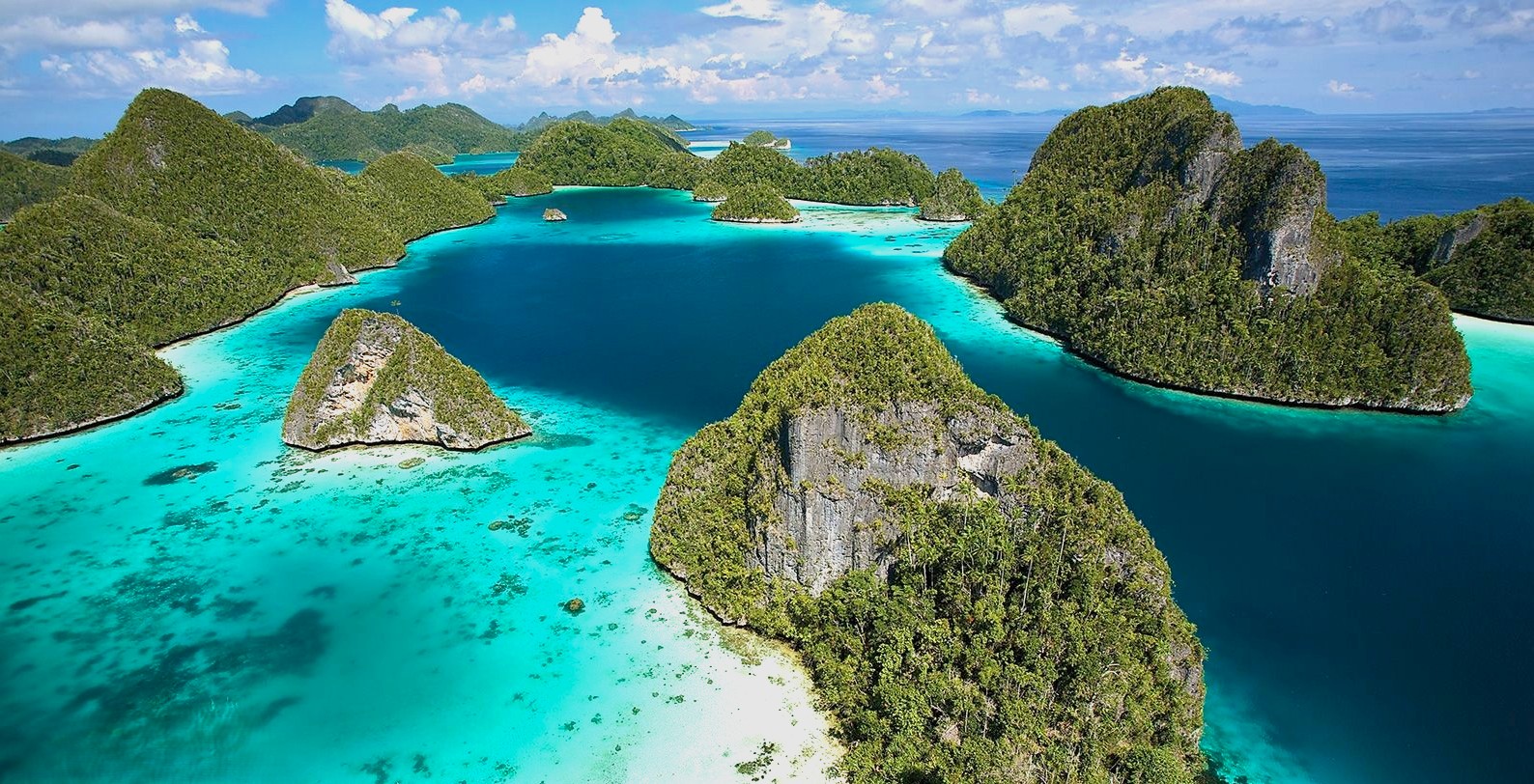
Diving in Raja Ampat is widely considered one of the most spectacular underwater experiences on the planet. Situated in the heart of the Coral Triangle, Raja Ampat offers an unparalleled combination of biodiversity, pristine reef systems, and breath-taking topography — all set within a remote and stunning natural paradise.

From schools of fish, magnificent manta rays to kaleidoscopic coral gardens and cryptic macro life, there’s definitely something for every diver in this truly wild corner of Indonesia.

We have 7-day, 8-day & 9-day packages available- so what are you waiting for?!
A Diving Paradise - Coral Triangle

Why Dive Raja Ampat?

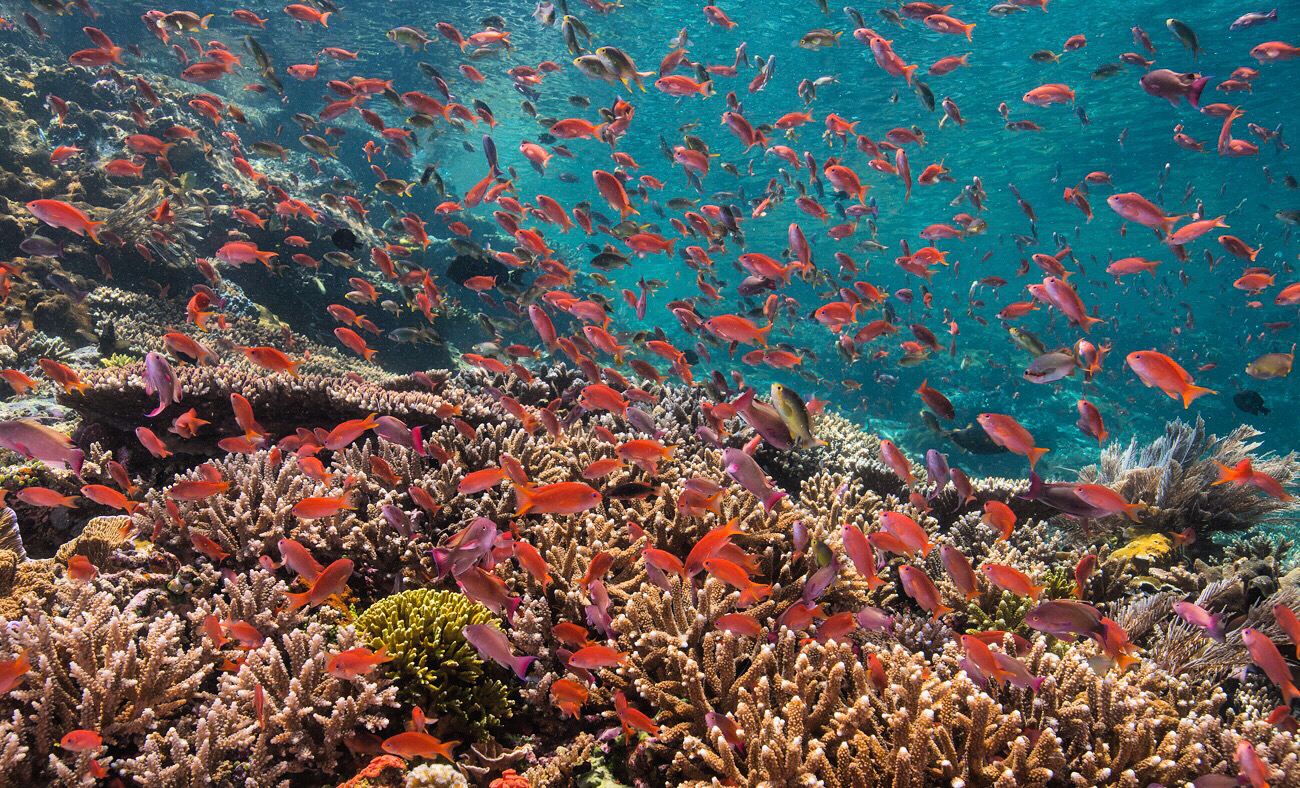
Raja Ampat is often referred to as the “Crown Jewel” of the Coral Triangle — and for good reason! The marine biodiversity here is the highest recorded on Earth. Over 1,500 species of fish, 600 species of coral, and a thriving ecosystem of pelagic and macro life coexist across its 1,500+ islands.

Expect vibrant hard and soft coral reefs, swirling schools of barracuda and fusiliers, cleaning stations for manta rays, and critter-filled mangrove shallows. Dive sites range from gentle coral slopes to thrilling pinnacles and channels swept by nutrient-rich currents.

diving packages

What Can You See?

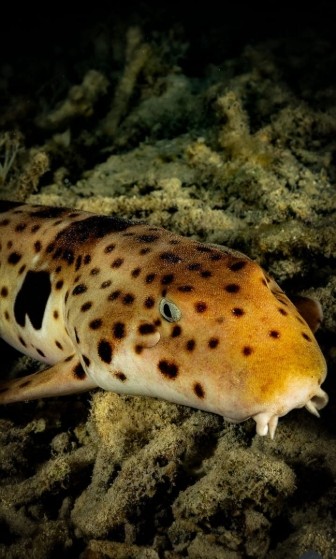
Quite simply — everything! Raja Ampat is one of the few places in the world where you can see wobbegong sharks, manta rays, pygmy seahorses, walking sharks, and barracuda tornadoes all in one trip.

The area is renowned for:
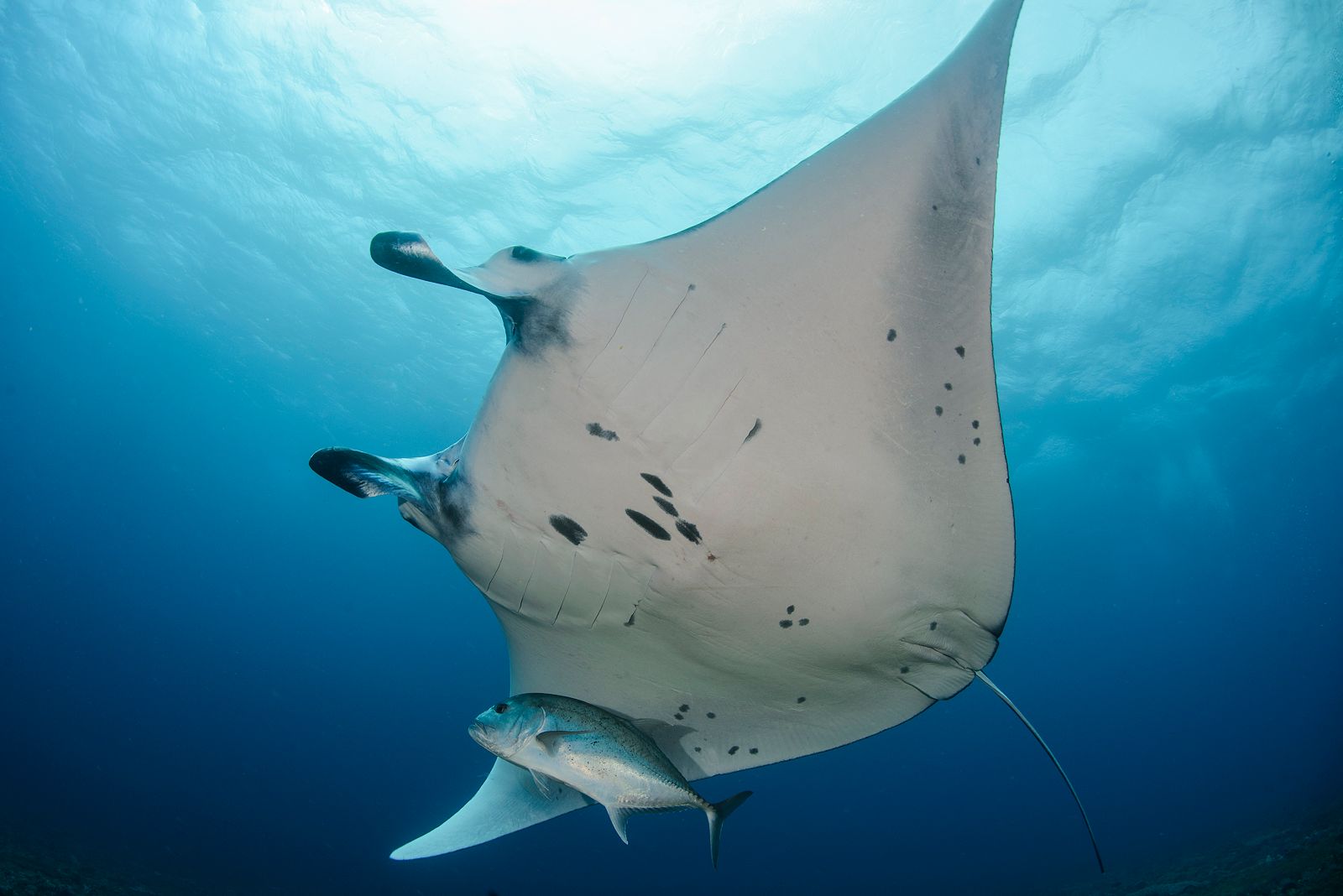
Manta Rays (reef and oceanic) — often at cleaning stations or gliding in current-rich channels
Wobbegong Sharks — a bizarre, bottom-dwelling species found resting under coral ledges
Turtles — including hawksbill and green turtles
Pelagic Action — look out for trevally, jacks, and barracuda hunting on deep walls
Macro Life — nudibranchs, bobtail squid, ghost pipefish, and four species of pygmy seahorses
Coral Coverage — some of the healthiest and most colourful reefs in the world
Endemic Species — like the Raja Ampat epaulette “walking” shark, found nowhere else on Earth!

take me diving
Dive Course on a Liveaboard

Are the Currents Strong?

Yes — currents are a defining feature of many dive sites in Raja Ampat. These nutrient-rich flows are part of what makes the reefs so vibrant and alive. But that doesn’t mean every dive is a drift dive or overly challenging!

Our experienced dive guides tailor each dive plan based on the day’s conditions, your comfort level, and your experience. Sites like Cape Kri, Blue Magic, or Sardine Reef can offer exhilarating current dives, while others such as Manta Sandy or Arborek Jetty are perfect for more relaxed exploration.

We group divers by experience and ensure our safety briefings and dive plans match what you’re comfortable with. If you’re newer to currents, we’ll start slow and build up. If you're an experienced diver looking for big-fish adrenaline — we've got that too!

Best Time to Dive Raja Ampat

Raja Ampat is a year-round diving destination, but visibility and surface conditions can vary by season.

Best Season: October to April is the traditional liveaboard season, when seas are calmest and visibility is often best.

Manta Season: Peaks from November to March — particularly around cleaning stations like Manta Ridge and Manta Sandy.

Water temperatures are warm all year — between 27°C to 30°C — and visibility can range from 15–30m depending on tides and plankton.

book now

A Marine Park Worth Protecting

Raja Ampat isn’t just stunning — it’s protected!

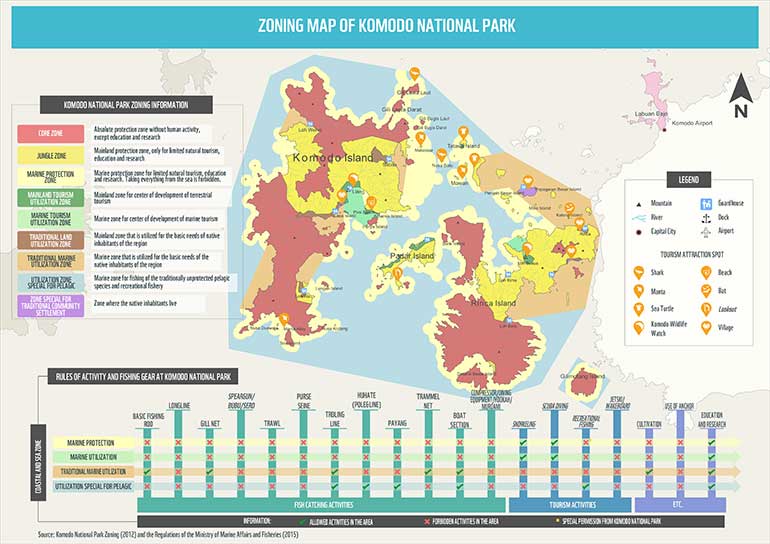
The region has been designated a Marine Protected Area (MPA) network, with community-managed zones and enforced conservation rules.

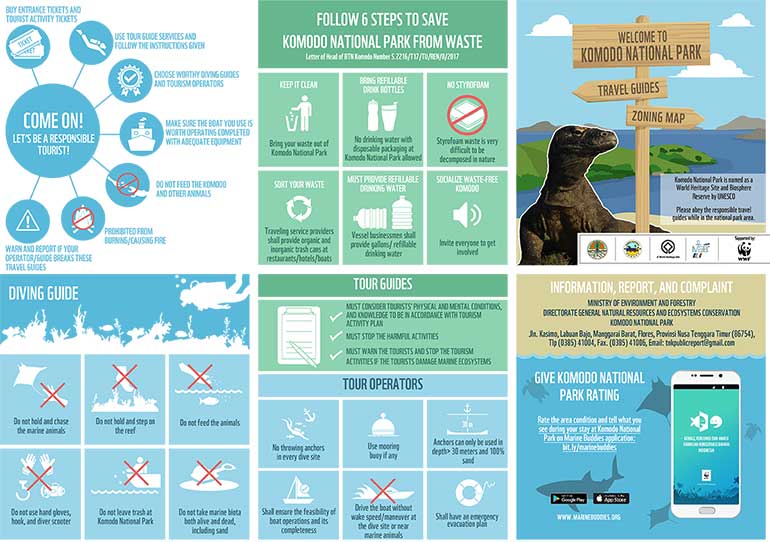
Each diver contributes to a Raja Ampat Marine Park Fee which supports local communities and reef patrols. We work closely with local stakeholders and conservation NGOs to ensure our trips are low-impact and high-benefit — to both the ecosystem and the people who call this place home.

find out more

Is Raja Ampat for Me?

Raja Ampat is located in Indonesia’s far eastern province of West Papua. It takes a little more effort to get here— usually via flights to Sorong (SOQ) — but the reward is access to some of the
most untouched diving on Earth.

Whether you’re an advanced diver chasing big currents and mantas, or a photography-loving macro hunter, Raja Ampat offers a dive trip like no other. The key is being prepared, respect the currents, and come with a wide-eyed sense of adventure!!

Let us take care of the logistics — you just show up ready to dive into one of the richest marine ecosystems on the planet.

Getting here
News from our blog
READ BLOG
© Copyright 2005-2026 Scuba Junkie. All rights reserved.
cross-circle