We provide Liveaboard trips in the within Indonesia. With trips to Komodo National Park, Raja Ampat & Banda Sea aboard our beautiful KLM Eliya. Come explore the beauty of some of Indonesia's best dive locations!
Looking for tips and tricks about diving, marine life or what to do in Indonesia? Follow us on our blog for weekly updates from the team!
Komodo Currents Diving: What to Expect and Why They Matter

Diving l Uncategorized March 26, 2026
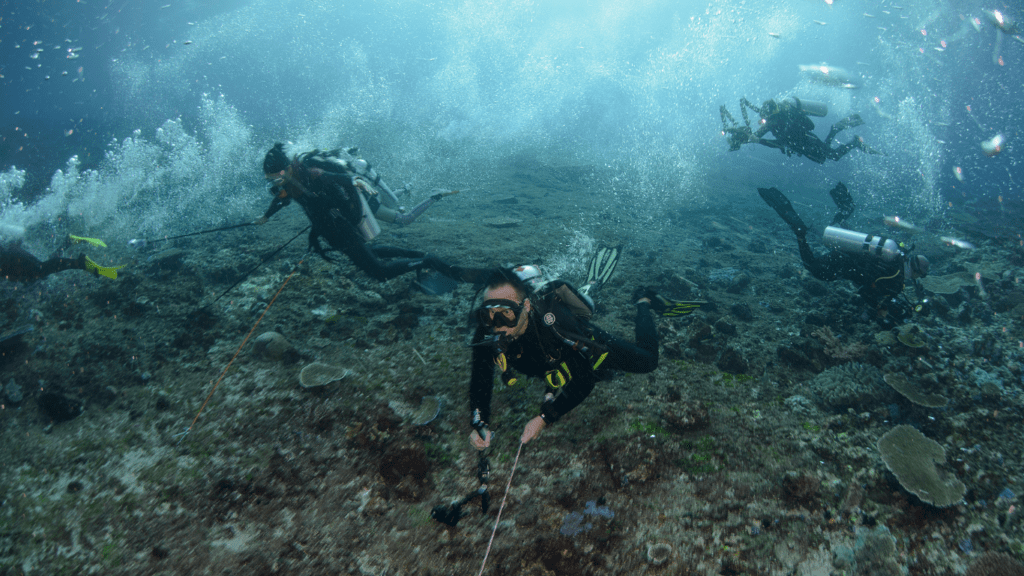
Table of Contents
If you’ve been researching diving in Indonesia, you’ve probably heard about one thing again and again: currents.
And naturally, questions follow.
Are they strong?
Are they unpredictable?
Is Komodo currents diving only for advanced divers?
Let’s talk about it openly and honestly.
At Scuba Junkie Liveaboards, we believe awareness builds confidence. Yes — there are currents in Komodo. Yes — sometimes they can be strong. And yes — they are part of what makes this place so extraordinary.
But currents are not something to fear. They are something to understand.
Why Are There Currents in Komodo Marine Park?
Komodo National Park sits between the Indian Ocean and the Pacific Ocean. This region forms part of the Indonesian Throughflow — a major ocean current system where massive volumes of water move between ocean basins.
Now combine that with Komodo’s geography:
- Narrow channels between islands
- Steep underwater walls and ridges
- Strong tidal exchanges
- Varying depths and seamounts
When tides move through tight passages between islands, water accelerates — much like wind speeding up when it passes through a mountain gap. This is why certain sites can experience powerful water movement.
It’s not random. It’s geography and physics working together.
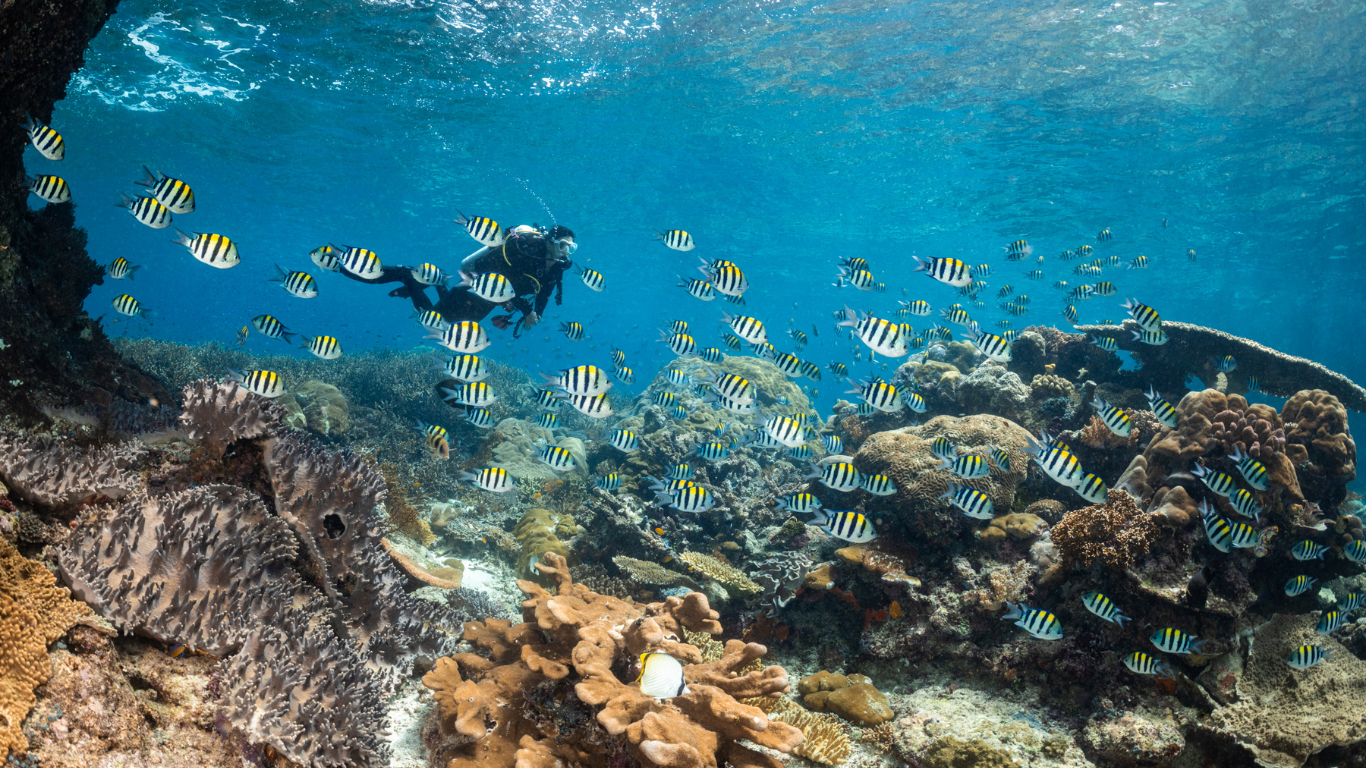
And that water movement is exactly why Komodo is so rich in marine life.
Why Currents Are Actually a Good Thing
Currents bring nutrients.
Nutrient-rich water feeds plankton. Plankton feeds small fish. Small fish attract larger predators. That’s why Komodo is known for:
- Healthy coral reefs
- Large schools of fish
- Sharks
- Manta rays
- Vibrant biodiversity
Without currents, Komodo would not be the world-class dive destination it is today.
So when we talk about Komodo currents diving, we’re really talking about the engine behind the ecosystem.
Are Komodo Currents Strong?
But not everywhere, and not all the time.
Currents in Komodo depend on:
- Tide direction
- Moon cycles
- Site location
- Underwater topography
Some dives feel like gentle drift dives where you simply glide along. Others can have more noticeable flow, especially in channels or exposed sites.
A well-known example is “The Cauldron” (often called Shotgun). This site sits in a narrow channel where tidal water funnels through, creating acceleration — particularly during peak tide. When conditions align, divers may experience a fast but controlled drift through a sandy channel.
But here’s the important part: dives like this are only done when conditions are suitable and when the group’s experience level matches the site.
Are Currents Unpredictable?
They can change — yes.
Tides are predictable. But wind, swell, and micro-conditions can influence how a site feels on a given day. That’s why flexibility is key in Komodo.
At Scuba Junkie Liveaboards, we do not follow rigid dive schedules. Instead, our Cruise Director and dive guides evaluate:
- Tide charts
- Local conditions
- Visibility
- Group experience and comfort level
Dive sites are selected accordingly.
If a site is too challenging for the group that day, we simply choose another one. Komodo offers plenty of options.
Safety always comes first.
What If I’m Not Comfortable in Strong Currents?
This is one of the most common concerns — especially for:
- Newly certified divers
- Divers with limited drift experience
- Divers returning after a break
The truth is, you do not need to be an “extreme diver” to enjoy Komodo.
Many dives are manageable and suitable for intermediate divers. And even when currents are present, they are often:
- Planned as drift dives
- Briefed thoroughly beforehand
- Led closely by experienced guides
- Entered and exited strategically
Our guides are in the water with you. They monitor the group carefully, assist when needed, and make calm, proactive decisions.
How We Approach Komodo Currents Diving at Scuba Junkie Liveaboards
Our philosophy is simple:
Respect the ocean.
Plan carefully.
Adapt constantly.
Before every dive, you’ll receive a detailed briefing covering:
- Current direction
- Entry and exit plan
- Depth profile
- Where to position yourself
- What to do if separated
Groups are matched by experience level. If needed, dives are adjusted. If conditions change, plans change.
There is no pressure to prove anything.
The goal is enjoyment — not adrenaline.
Techniques That Make Diving in Currents Easier
Even if you don’t have much experience in currents, a few simple techniques make a big difference:
- Stay close to the reef for shelter
- Use streamlined positioning
- Avoid excessive finning
- Maintain good buoyancy control
- Listen carefully to briefings
Often, once divers complete their first drift dive in Komodo, they realise it feels far more controlled and enjoyable than expected.
Many even come to love it.
When We Don’t Dive a Site
This is just as important to say clearly.
There are days when conditions are not right.
In those moments, we choose differently. Komodo is vast and diverse. There is always another option that offers:
- Beautiful reef
- Strong marine life
- More manageable conditions
No single dive site is worth compromising safety.
Why Understanding Currents Builds Confidence
Fear often comes from uncertainty.
When divers understand that currents are:
- Natural
- Tidal-driven
- Managed carefully
- Accounted for in planning
The anxiety fades.
Komodo currents diving is not about battling the ocean. It’s about working with it.
Frequently Asked Questions (FAQs)
Is Komodo currents diving suitable for beginners?
Newly certified divers can join, but comfort level and experience matter. We assess each group and plan dives accordingly.
Are currents present on every dive?
No. Some sites have minimal movement. Others are known for stronger flow during certain tides.
What if I feel uncomfortable underwater?
Our guides stay close and assist immediately if needed. Your safety and comfort are always prioritised.
Do you cancel dives because of currents?
Yes — if conditions are not suitable, we choose alternative sites.
Why are sites like The Cauldron known for strong currents?
They sit in narrow channels where tidal water accelerates due to topography.
Final Thoughts
Yes, Komodo has currents.
Yes, sometimes they are strong.
But they are also the reason Komodo is alive with marine energy and biodiversity.
At Scuba Junkie Liveaboards, we respect those currents, plan around them, and adapt to them — always putting safety first, and always ensuring the experience remains enjoyable.
Understanding replaces fear.
And once you experience a well-planned drift dive in Komodo, you may find it becomes one of your favorite memories of the trip.