
Planning a liveaboard trip can feel like standing at the edge of something exciting — flights to check, bags to pack, park fees to understand, arrival times to get right.
So we’ve put together this Komodo 6D5N liveaboard guide to make everything simple before you step aboard KLM Eliya with Scuba Junkie Liveaboards.
Think of this as your calm, clear walkthrough — from the moment you book, to the moment you cross the street for a celebratory ice cream at the end.
Most guests reach out to us by email (liveaboards@scubajunkie.com), through social media, or via the contact form on our website. From there, our team walks you through availability, cabin options, and next steps.
To secure your space, a 50% non-refundable deposit confirms your booking. The remaining balance is due 60 days before departure. If your booking is made within 61 days of the trip, full payment is required at reservation. All details are clearly outlined in our official Terms & Conditions .
We always recommend comprehensive travel insurance — and dive insurance is compulsory due to the remote nature of diving in Komodo.
Once that’s done, the adventure starts to feel very real.
Your journey will bring you to Komodo International Airport (LBJ) in Labuan Bajo.
There are now direct flights from:
From Bali, the flight is around one hour — short, scenic, and often the moment it really sinks in that you’re headed somewhere special.
We recommend arriving the day before embarkation if possible. It gives you time to settle in, adjust, and avoid any stress if flights are delayed.
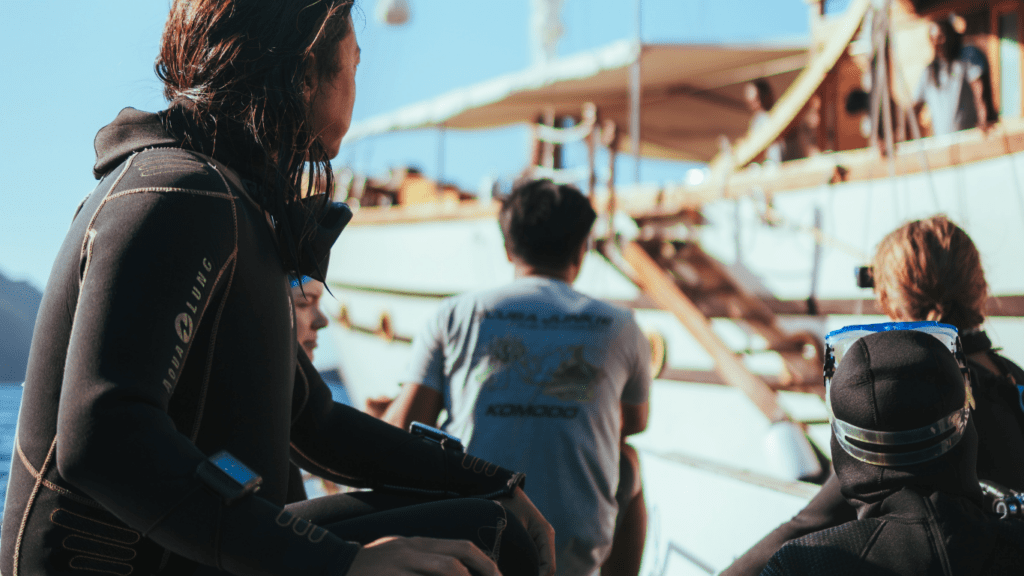
On Day 1, we meet at our office in Labuan Bajo between 08:00 and 08:30am. There’s always a buzz in the air — new faces, excited conversations, gear being double-checked.
At 09:00am, we walk together to the harbour and step aboard KLM Eliya. A welcome drink is served, cabins are shown, and our Cruise Director guides you through safety procedures and the plan for the week ahead.
Then, just like that, you’re on your way.
The first day typically includes two afternoon dives and a sunset or night dive. Sometimes, depending on conditions and planning, it may include two dives and a visit to Rinca Island to see the Komodo dragons. The exact flow is explained once onboard — flexibility is part of the magic.
By the second morning, you’re already in rhythm.
You’ll wake around 6:00am to light snacks, tea, and coffee before your first dive. There’s something special about slipping into the water as the day begins — Komodo often feels at its most alive in the early morning.
The days flow gently:
Dive.
Breakfast.
Dive.
Lunch.
Rest.
Dive.
Sunset or night dive.
Dinner under the stars.
Up to 20 dives across the trip, all guided, with full equipment rental included (excluding dive computer). Meals, tea, coffee, drinking water, towels, toiletries — everything is taken care of so you can focus fully on the experience.
And it’s not only about diving.
Komodo National Park is just as dramatic above the surface.
During the trip, depending on where we are diving and the conditions at the time, we may visit:
These excursions are never forced into a rigid schedule. We choose them based on tides, weather, and what will create the best overall experience for everyone onboard.
There is a daily national park fee for activities within the park, payable in cash (IDR).
For foreign nationals:
For Indonesian citizens (KTP holders):
Fees are subject to change.
Cash is also useful for:
There are plenty of ATMs in Labuan Bajo before boarding.
Komodo is tropical, but evenings can feel cool after multiple dives.
Bring:
Reusable water bottles are encouraged — each cabin has one onboard that you can keep as a souvenir.
SMBs are advisable but not required. Reef hooks are not required.
Wetsuits are available onboard.
On Day 6, there’s one final early morning dive (or two morning dives if the Dragon Tour happened earlier). After breakfast and lunch, KLM Eliya returns to harbour around 14:30.
Back at the office, our team assists with remaining payments and arranges taxis to your hotel or the airport.
Because of the 18-hour no-fly rule after diving, we strongly recommend flying the following day.
And this is where we always suggest something simple.
Cross the street.
Treat yourself to a well-earned ice cream at Maison Belmont.
Sit down. Take a breath. Let it sink in.
The dives, the dragons, the sunsets, the early mornings — it all settles into memory right there.
If you’re staying an extra night, Labuan Bajo is relaxed and easy to explore.
Some guest favourites include:
Whether you choose something vibrant or simple, it’s a lovely way to ease back into land life.
We hope this Komodo 6D5N liveaboard guide makes planning your trip feel smooth and straightforward.
Komodo is powerful, unpredictable, and unforgettable. Once you’re onboard KLM Eliya, the logistics fade away and the experience takes over.
We’ll handle the details.
You just show up ready for the adventure.
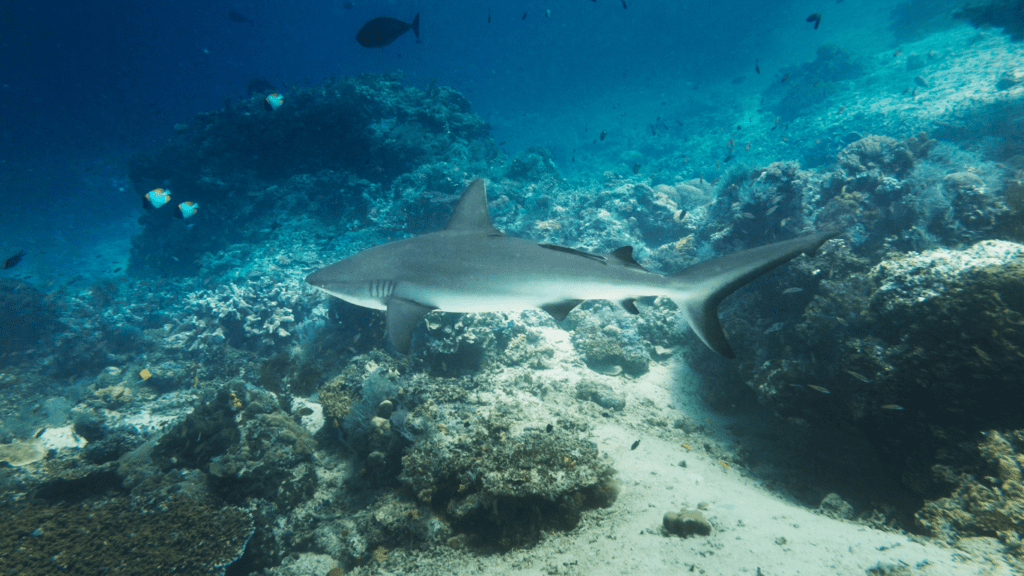
Few experiences compare to drifting effortlessly through crystal-clear water while sharks glide calmly past you. Sharks in Komodo National Park are not only one of the region’s greatest underwater highlights, but also a powerful reminder of why healthy oceans matter. For divers exploring Indonesia aboard a liveaboard like the KLM Eliya, encounters with sharks are often profound, inspiring, and unforgettable.
Komodo National Park is famous for its dramatic landscapes above water, but beneath the surface lies one of the richest marine ecosystems on Earth. Strong currents, thriving coral reefs, and protected waters create the perfect conditions for sharks to flourish — and where sharks thrive, the ocean is doing well.
Sharks play a critical role in maintaining balance in marine ecosystems. As apex predators, they regulate fish populations, prevent overgrazing of coral reefs, and help maintain biodiversity.
Without sharks:
In Komodo, the presence of sharks is a sign of resilience. These waters are protected, carefully managed, and respected by local communities and dive operators — allowing marine life to thrive naturally.
Divers exploring sharks in Komodo National Park are often surprised by both the diversity and frequency of encounters. Depending on conditions and dive sites, you may see:
These encounters are calm, natural, and awe-inspiring — offering a rare opportunity to observe sharks behaving exactly as they should: confident, curious, and completely uninterested in humans.
Komodo’s unique geography creates strong currents that bring nutrient-rich water to the reefs. This fuels plankton growth, attracts smaller fish, and in turn supports larger predators like sharks.
Key reasons Komodo stands out:
For divers, this means thrilling drifts, vibrant marine life, and frequent shark encounters — all in one destination.
A liveaboard is the best way to fully experience Komodo’s remote dive sites, and the KLM Eliya offers an experience that blends comfort, style, and adventure.
Unlike day trips, a liveaboard allows you to:
The rhythm of liveaboard diving creates space for meaningful encounters — not rushed moments, but real connections with the underwater world.
The KLM Eliya is designed for divers who appreciate both adventure and comfort. With spacious decks, thoughtfully designed cabins, and attentive service, the experience feels personal and relaxed — without sacrificing authenticity.
After an exhilarating dive with sharks, you can unwind on deck, enjoy freshly prepared meals, and watch Komodo’s dramatic landscapes pass by. It’s a gentle luxury that enhances, rather than distracts from, the natural beauty around you.
At Scuba Junkie Liveaboard, shark encounters are always conducted responsibly. Respectful diving ensures both diver safety and animal well-being.
Best practices include:
These simple behaviors allow sharks to remain relaxed, resulting in more natural and rewarding encounters.
Responsible dive tourism plays a vital role in protecting sharks. By choosing ethical operators and protected destinations like Komodo, divers help demonstrate that live sharks are worth far more alive than fished.
Shark-focused tourism:
Every dive becomes part of a bigger story — one where exploration and protection go hand in hand.
No. Sharks in Komodo are accustomed to divers and rarely show aggressive behavior. Calm, respectful diving ensures safe encounters.
Sharks can be seen year-round, but sightings are especially common during periods of stronger currents.
Some sites require experience due to currents, but Scuba Junkie offers guidance to match dives with skill levels.
Sharks regulate fish populations, which helps prevent coral overgrowth and reef degradation.
Yes. Liveaboards provide access to remote sites, flexible schedules, and a more immersive experience.
Through responsible diving practices, education, and support for marine protection initiatives.
Learn more about shark conservation at https://www.sharktrust.org
Encountering sharks in Komodo National Park is more than a thrilling dive — it’s a reminder of how powerful and delicate ocean ecosystems are. Aboard the KLM Eliya, divers don’t just visit Komodo; they become part of it.
With thoughtful luxury, responsible practices, and world-class diving, Scuba Junkie Liveaboard offers an experience that inspires respect for the ocean — and the incredible sharks that call it home.
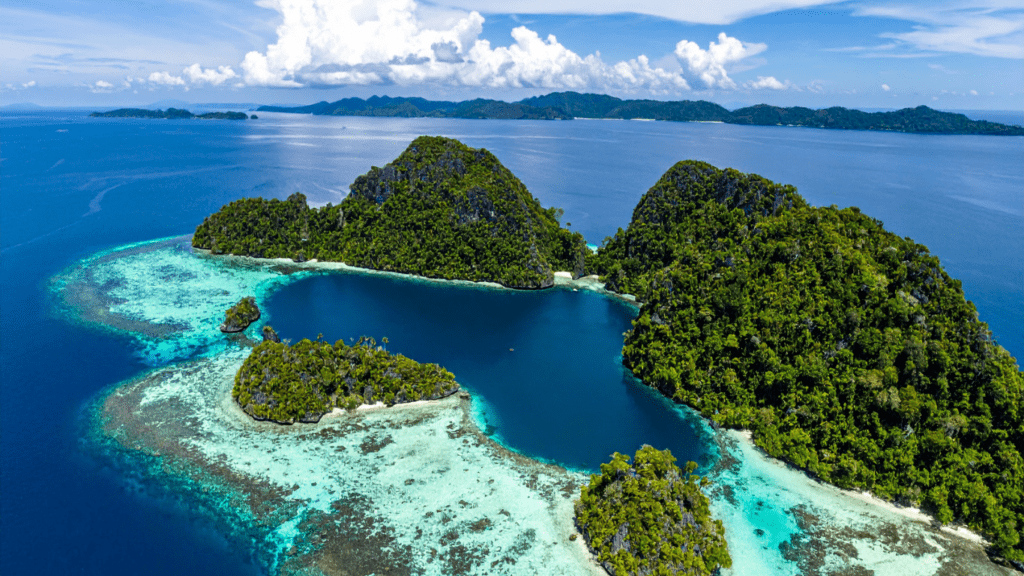
If you’ve been dreaming of visiting one of the world’s most extraordinary marine environments, Raja Ampat marine park is the name that appears again and again—and with good reason. Known for unmatched biodiversity, deep-rooted cultural traditions, and some of the clearest waters on Earth, the region stands as a reminder of how vibrant and delicate our oceans truly are.
This blog offers a gentle introduction to the marine park, its people, and its cultural landscape, while sharing a little Scuba Junkie excitement—because our upcoming Raja trips are nearly sold out, and November 2026 will mark Eliya’s very first journey to Raja Ampat. With only a few spots left on two departures, this feels like the perfect moment to help divers understand the magic of where they’re headed.
Raja Ampat sits at the center of the Coral Triangle, the world’s most biodiversity-rich marine region. Scientists consider it a global priority for conservation due to its high coral cover, fish abundance, and healthy reef systems.
The Raja Ampat marine park holds:
This combination creates a dreamscape for divers: colorful, calm, and alive at every depth.
The marine park isn’t just a tourist attraction—it’s a formally managed conservation zone designed to protect marine life for future generations. Visitors contribute directly to preservation through park fees and low-impact tourism practices.
Raja Ampat is home to Indigenous Papuan groups whose lives are closely linked to the sea. Their knowledge of tides, reefs, and seasonal shifts is passed down through generations and deeply respected by conservationists.
Visitors may notice:
Respecting privacy, modest dress near villages, and polite interaction goes a long way. A friendly smile is always returned with one.
Being mindful of local customs keeps tourism harmonious. Basic guidelines include:
These small gestures ensure that tourism remains beneficial and respectful.
The Raja Ampat marine park is divided into zones that regulate fishing, diving, and boating. These rules help fish populations recover and reefs remain healthy.
Local communities play a major role in patrolling the waters, reporting illegal fishing, and ensuring their environment is preserved. Their involvement is one reason the region remains so pristine.
Responsible operators, divers, and travelers are essential. By following regulations and supporting ethical tourism, visitors help keep the ecosystem thriving.
The Scuba Junkie family has shown incredible enthusiasm for our Raja Ampat trips—so much so that most departures are already fully booked. Your trust, excitement, and loyalty mean everything, and we can’t wait to share these experiences with you.
At this point, only two trips still have a few available spots. If Raja Ampat has been on your bucket list, now is the moment before everything fills up.
A special note: November 2026 marks Eliya’s very first venture to Raja Ampat, making the upcoming seasons feel even more exciting. Sharing knowledge about the area feels important as we prepare for this milestone.
Small actions make a big difference:
These habits help keep the Raja Ampat marine park thriving.
Choosing local services, respecting cultural spaces, and acknowledging the park fee system all contribute to community livelihoods and conservation funding.
Its location within the Coral Triangle and strong ocean currents create ideal conditions for marine life.
Yes. The Raja Ampat Marine Park Entry Fee supports conservation and community projects.
Due to the more advanced nature of some of the sites within the Raja Ampat Marine Park, we require all divers to be Open Water with a minimum Deep certification.
Conditions are excellent year-round, with November–April offering some of the calmest seas.
Yes, with respect for customs. Always dress modestly and ask before taking photos.
Through park fees, ethical diving, and supporting community-led initiatives.
The Raja Ampat marine park is more than a destination—it’s a living ecosystem intertwined with culture, tradition, and community-led conservation. For divers, it offers unmatched biodiversity and a powerful reminder of why protecting our oceans matters.
As we prepare for upcoming Scuba Junkie trips—with only two departures still holding a few spots—and with Eliya joining her first Raja adventure in November 2026, we hope this guide helps guests understand the beauty and responsibility of exploring this extraordinary region.
Komodo National Park is so well known as being the region where the prehistoric Komodo Dragons can be found, but for the divers among us what we can see underwater is truly breathtaking! Let’s talk more about the Mantas of Komodo and when is the best time to see them!
Komodo National Park is home to healthy, vibrant reefs and hugely diverse marine life, but one of the absolute favourite animals on every divers bucket list are the majestic Mantas of Komodo!!!
Mantas are a very common sight here in Komodo with a recorded population of over 1200. New individuals are sighted every year thanks to citizen science (which we will tell you a little bit about later).
Mantas of Komodo fall into different categories of adventurer! Some love to travel long distances and have been noted to spend their lives covering wide expanses of the ocean. Some of the Mantas of Komodo have even been seen as far away as Nusa Penida. That is over 400km away! While others prefer to ‘stay near home’ and spend the majority of their life around Komodo National Park just moving between the different sites in the area.
What are Mantas?
Mantas are part of the Elasmobranch Family – the same as sharks and skates. Sharks have been around for over 500 million years while these “younger” Mantas are believed to have been around for about 5 million years.
The majestic mantas live in perpetual motion – meaning they always have to keep moving. The heaviest known manta specimen weighed approximately 2 tonnes and due to their physiological make up they are negatively buoyant so if they stop moving they start to sink.
There are currently 2 types of Mantas – the Manta Alfredi or the Reef Manta and the Manta Birostris or Oceanic Manta.
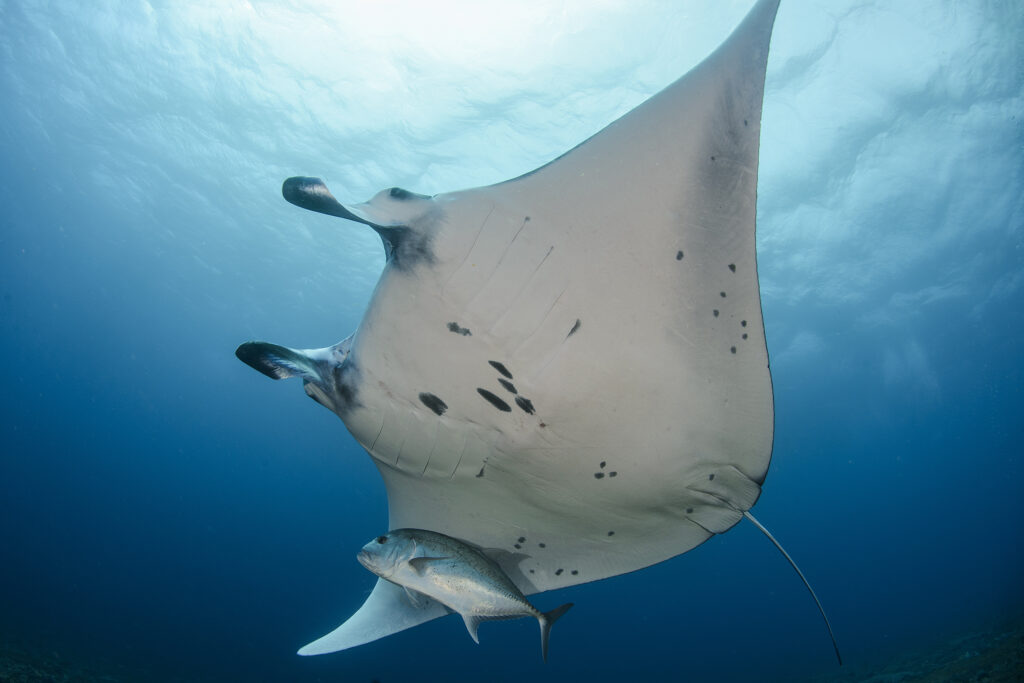
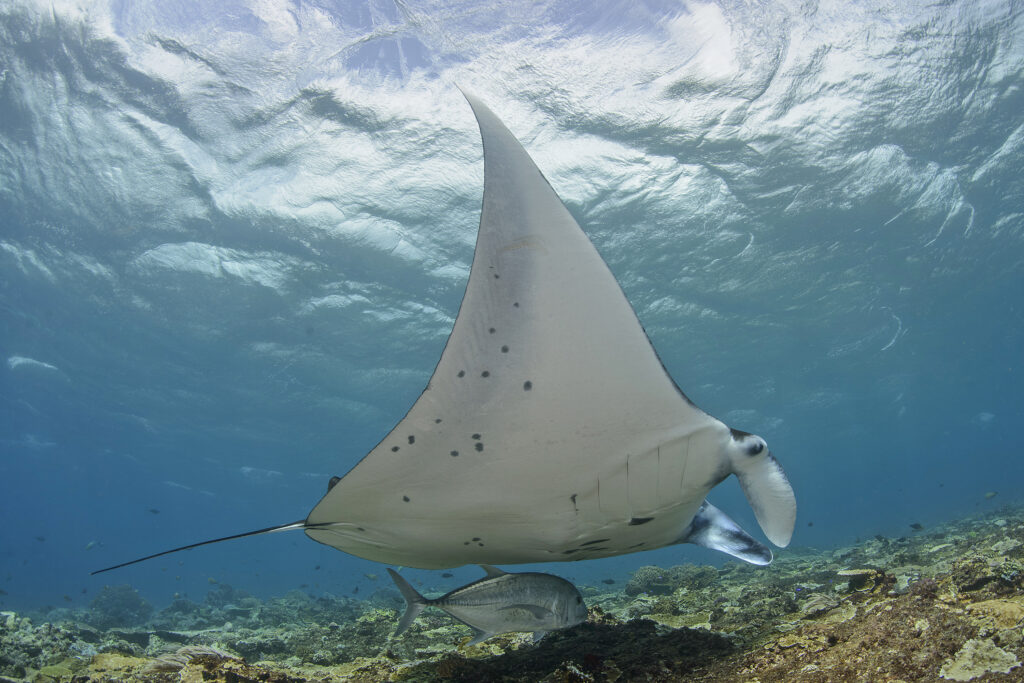
Although Oceanic Mantas have been seen here in Komodo it is highly unusual. Our main interactions here are with the Reef Mantas! Reef Mantas have an average wing span of 3-4 metres and can be identified by the spot pattern on their belly.
The underside of mantas are white with navy / black spots. These spots are unique to every individual which is why we are able to tell which manta is which and where they move to! If you chat with your dive guide onboard KLM Eliya they will be able to tell you about the different Mantas of Komodo and which ones they see more often than others. Many even have names when they have been adopted. The name is theirs for life.
Manta Matcher is a fantastic online resource where you can upload your images of different manta bellies & the information will be added to the database to help track the different individuals.
The spot patterns on manta bellies are what is used to identify and track individuals. This is why citizen science and photos / videos are so so important. Scientists use this information to identify, track and monitor individuals and populations.
The Best Time for the Mantas of Komodo
We are lucky enough to see mantas all year a round here in Komodo, but what many people don’t realise is that the BEST time to see mantas is actually in the quieter months! Low season for visitors is high season for our flappy friends!
If you really want to increase your chances of seeing these magnificent giants in big numbers the best time to visit is September – April. These months are considered ‘low season’ in Komodo as there are a lot less visitors around. This does mean that the dive sites are a lot quieter and there are less boats around too.
November – March is considered rainy season here and people are often concerned about the weather. The great thing about this region is that it is usually very arid and even in rainy season we do not tend to get the monsoon style rains that are common in other Asian countries. It is more common here for it to rain in the afternoons / evenings and overnight, but still be dry and sunny in the day time.
This also does mean that at this time of year the visibility in some part of the National Park can be reduced. In the months of July – August underwater visibility can be 30 metres on a good day, but probably averaging around 20 metres. In the low season months visibility at the central sites is usually averaging 10-15 meters and 20 + metres at the Southern sites.
The reason for the drop in visibility is not just because of the weather conditions, but also because at this time of year the currents running through the region are much more nutrient rich. This means much more plankton and smaller organisms in the water. This may mean visibility is a little reduced for divers, but it does mean there is a lot more food in the water for the mantas of Komodo!!
It is not uncommon in these months to see more than 20+ mantas on a single dive. Our guests and dive guides have regularly done dives with possibly 50-60 individuals all around them! It gets to the point that there are so many it is simply impossible to keep count!!
These dives really are incredible moments that will leave you in a state of awe. It is not uncommon for our divers to get to the surface screaming in joy or just simply be quietly in disbelief after one of these epic manta dives!!!
They can still be seen throughout the rest of the year of course, but November – March really is the very best time to visit for these special animals.
July – September is considered high season in Komodo and during this time we usually get clear conditions with flat seas and great visibility. We dive the Central and Northern dives sites in these months so we visit the famous dive sites such as Crystal Rock, Castle Rock, the Cauldron (aka Shotgun) in the North of the National Park.
These sites are famous for strong currents, schooling fish, schooling reef sharks and, of course, the occasional manta!!
The younger mantas also seem to enjoy the strong currents of the Cauldron! As divers we will be working hard to hold our position while the majestic mantas will just give small tiny flicks of their fins to maintain there place in the current line.
The Main Manta Dive Sites
Mantas can be seen at any of the dive sites in Komodo and are quite often seen breaching or jumping out of the water between the months of November – March.
We regularly encounter mantas at sites such as The Cauldron (aka Shotgun), Tatawa Besar, Tatawa Kecil, Siaba Besar along with others, but there are 3 main dive sites where we can be pretty sure of seeing the mantas of Komodo on an almost daily basis – but it is the ocean so there is no guarantee of course!
What makes these 3 dive sites so popular for mantas is that they have lots of “cleaning stations” Take a look at our previous blog about mantas if you are not sure what a cleaning station is.
Mawan – Central Dive Site
Mantas seen here all year around.
Biggest numbers between November – March.
Mawan is a stunning island located in the centre of the National Park and plays host to a number of manta cleaning stations. What makes Mawan special is that the cleaning stations are all relatively shallow. A long reefy plateau extends from the shore line to 26-27 metres before dropping deeper. Cleaning stations can be found at 3 – 6 – 9 – 18 – 22m with the majority of ‘action’ usually happening in the shallower water. It is easy to spend an entire dive here in less than 8m of water while you watch the mantas flying overhead and have the rays of sunshine breaking the surface. It is truly spectacular.
Karang Makassar – Central Dive Site
aka Manta Point – not to be mistaken with Manta Point at Nusa Penida)
Mantas seen here all year around.
Biggest numbers between November – March.
This dive site is the longest in the National Park and runs North – South. Manta Point is usually dived as a drift dive and we start at either the Southern end or the Northern end depending on the direction the current is running. We regularly drift 3km during this dive.
The topography of this dive site is very unusual with many divers describing it as a moon-scape! The rubble bottom is dotted with cleaning stations where the mantas will come into clean. Some of our guests most favourite dive site is Manta Point for the shear numbers of mantas you can see here!! You can be watching 2 at a cleaning station and suddenly you will see a flash in the corner of your eye as 4 more fly past! The average depth of Manta Point is 12-13 metres. So again a very shallow dive site making long dives and amazing manta interactions easy!
Manta Alley – Southern Dive Site
Mantas seen here all more often in the summer months of June – September.
Biggest numbers July – September.
Manta Ally is similar to Manta Point in that it is a long drift dive. It has a gently sloping rocky bottom that levels out at a sandy area around 20 metres. The cleaning stations here tend to be found in the sandy area so this is a little deeper than the other sites. However the shallower rocky section and small channel is where the mantas tend to feed and hangout while playing in the current!! Manta Alley is famous for the mantas of course, but it does also get quite cold here with temperatures averaging 22-23 degrees whereas the other sites at the is time of year will average 24-26 degrees.
The Mantas of Komodo really are here all year around, but if you really want to maximise your chances of seeing these magical animals in big numbers then the best time to visit is between September & April, with even better chances mid November – mid / end of March.
Not only will you increase your likelihood of seeing the Mantas of Komodo, but there are less boats around, dive sites are quieter and some days you really will feel like you have the Komodo National Park all to yourself!
Scuba Junkie are running a very Special Low Season Promo at the time of writing this blog. From now until 30 April 2025 you can book and pay for any trip onboard KLM Eliya and we will give you a 30% discount on our published prices – YES – 30%!!!!
If you combine KLM Eliya with one of our other locations we can offer you 25% discount on the second location.
What better time to book your holiday for your next Manta adventure! Get in touch now to find out more about our availability and our low season Mantas of Komodo Promo Deal!
Booking Period: Now until 30 April 2025
Travel Period: 1 November 2025 – 31 March 2026
If you would like to take advantage of our Special Low Season Promo then please get in touch here.
Komodo National Park sits in The Coral Triangle between the islands of Flores & Sumbawa in the Indonesian archipelago. The National Park is made up of 3 main islands – Komodo Island, Rinca Island and Padar Island as well as a number of smaller islands. This area is on the line of two continental plates and has been recognised by UNESCO as a “global conservation priority area” with unparalleled terrestrial and marine ecosystems.
The National Park covers nearly 2000 km2 with much of that being made up of the marine waters.
History of Komodo National Park
Komodo National Park was established in 1980 by the Indonesian Government as a sanctuary to protect the endangered Komodo Dragons. The Komodo Dragons or Varanus Komodoensis are the world’s largest lizard and are endemic to this area (can not be found anywhere else in the world!).
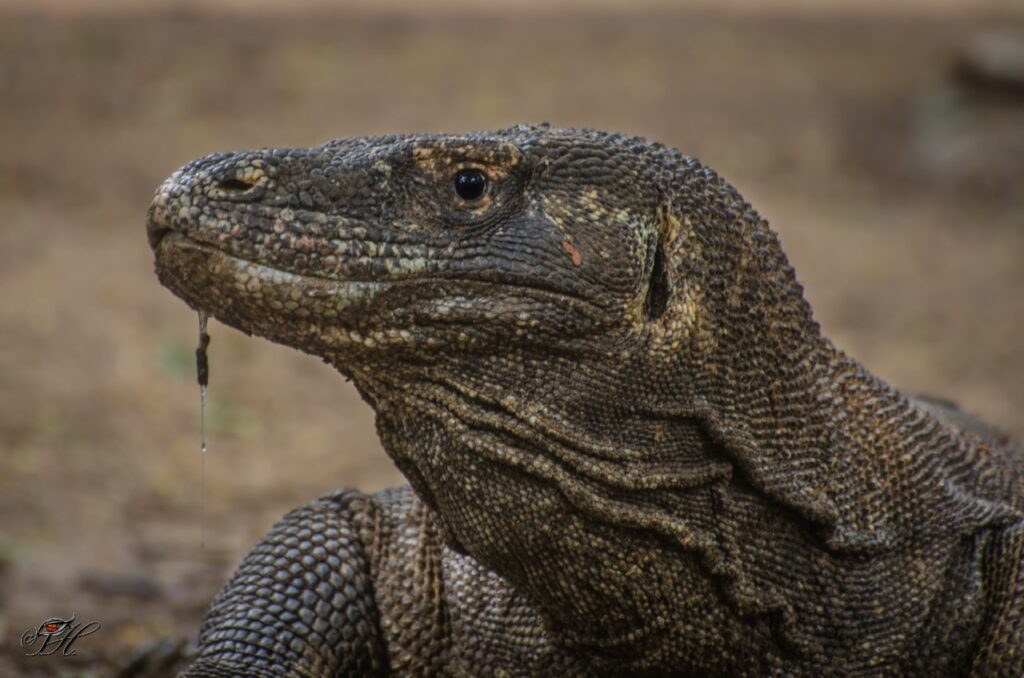
As part of your trip onboard KLM Eliya our Crew will take you to one of the Ranger Stations to give you the opportunity to spot these incredible beasts in their natural habitat.
In 1991, Komodo National Park was declared a UNESCO World Heritage Site and a Man and Biosphere Reserve. It is considered one of the world’s 25 biodiversity hotspots. A biodiversity hotspot is a region with significant levels of biodiversity that is threatened by human habitation.
Komodo National Park was initially protected because of the Komodo Dragons, but it was not long before people started to appreciate the shear beauty of what was under the surface of the ocean as well!
The Coral Triangle
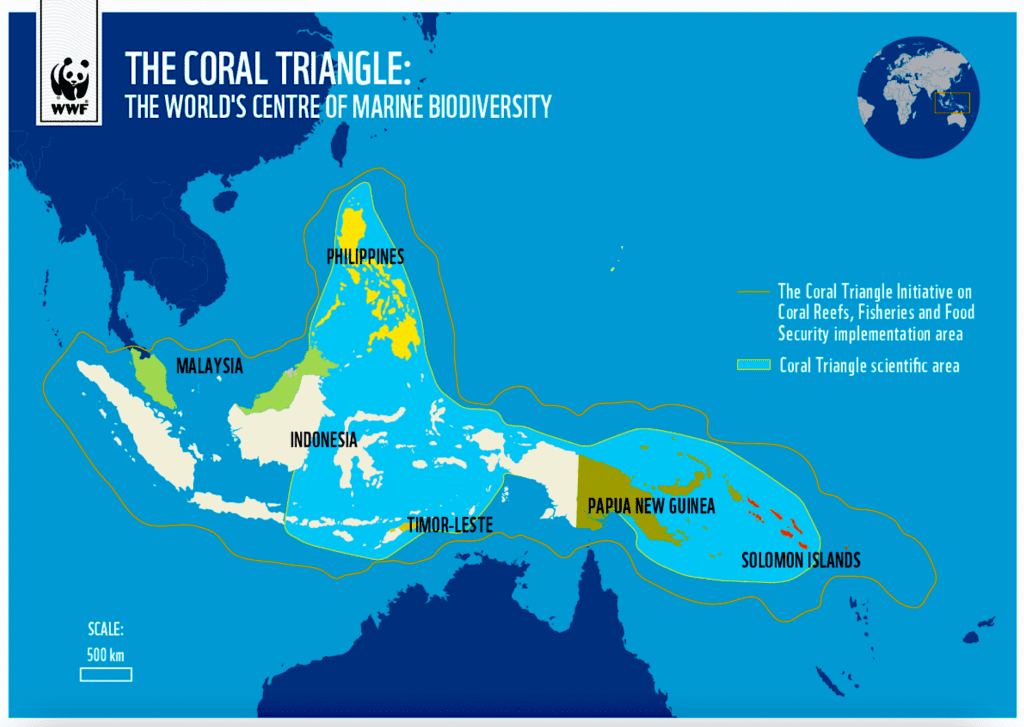
Komodo National Park sits within the boundaries of The Coral Triangle. This is the world’s richest area for marine life. Often referred to as the ‘Amazon of the Ocean’ the Coral Triangle is home to over 6,000 fish species & 76% of the world’s coral species. 6 of the world’s 7 marine turtles are found here as well as an abundance of other popular marine animals such as mantas, sharks, molas, frogfish, blue ring octopus and much much more!
The Coral Triangle has 15 regionally endemic coral species (species found nowhere else in the world), and shares 41 regional endemic species within Asia.
This region covers a 6 million km2 area encompassing Indonesia, Malaysia, the Philippines, Papua New Guinea, Timor Leste and the Solomon Islands.
The Impact of Water Movement
The Coral Triangle is hit by two nutrient rich currents – the North Equatorial Current and the South Equatorial Current. These feed the coral reefs and the thousands of marine animals that live here, from the tiniest creature to the largest animal.
Komodo National Park is widely considered to have some of the world’s most challenging diving due to the currents that we get here. The strong currents are caused by the Indonesian Throughflow (ITF).
Trade winds and ocean currents run in opposite directions here, so the Pacific Ocean, to north east of Indonesia, is 20 cm above average sea level, while the Indian Ocean, in the southwest, is 10 cm lower than the average sea level. This 30 cm difference results in a massive movement of water from the “higher” Pacific Ocean through the archipelago’s complex underwater topography out into the “lower” Indian Ocean.
All of this runs through the narrow passages between the islands of Bali & Lombok, Lombok & Sumbawa, Sumbawa & Flores.
If we narrow this further to the Komodo National Park we have:
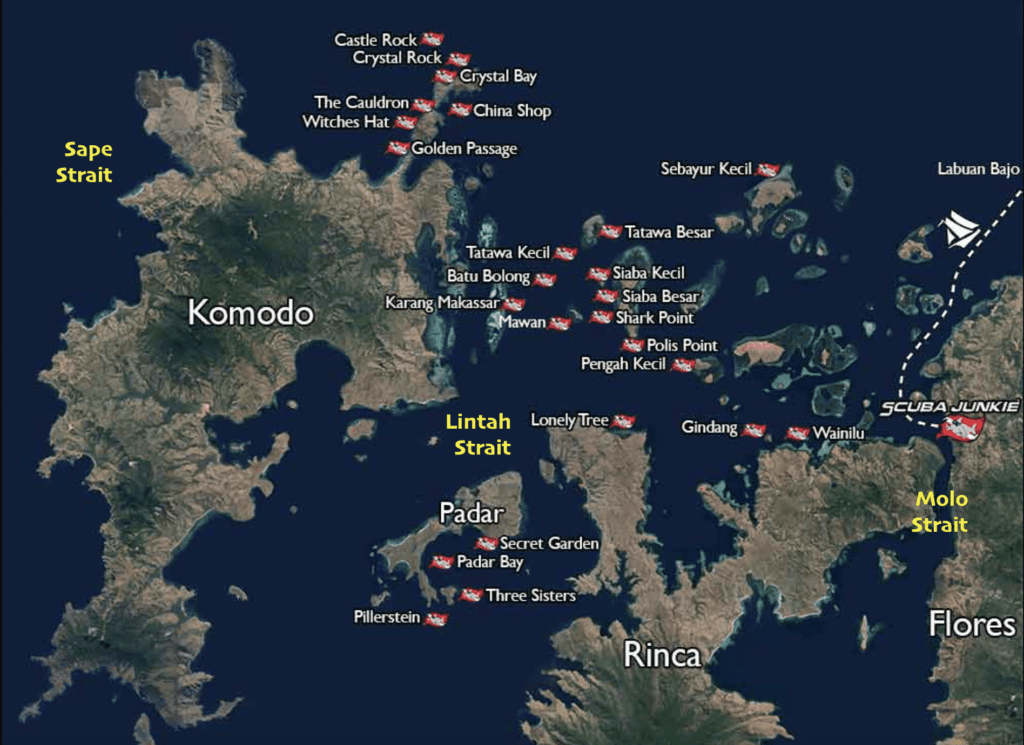
This island top0graphy as well as the dramatic ocean floor of deep trenches and shallow banks result in, not just fantastically fun diving(!!), but a rich and diverse area that results in some of the very best coral coverage and marine life diversity that you will see anywhere in the world!
KLM Eliya offers 6 Day / 5 Night Trips in the Komodo National Park and our Dive Guides onboard have worked in the area for many years. So feel free to ask them lots of questions when you are onboard!
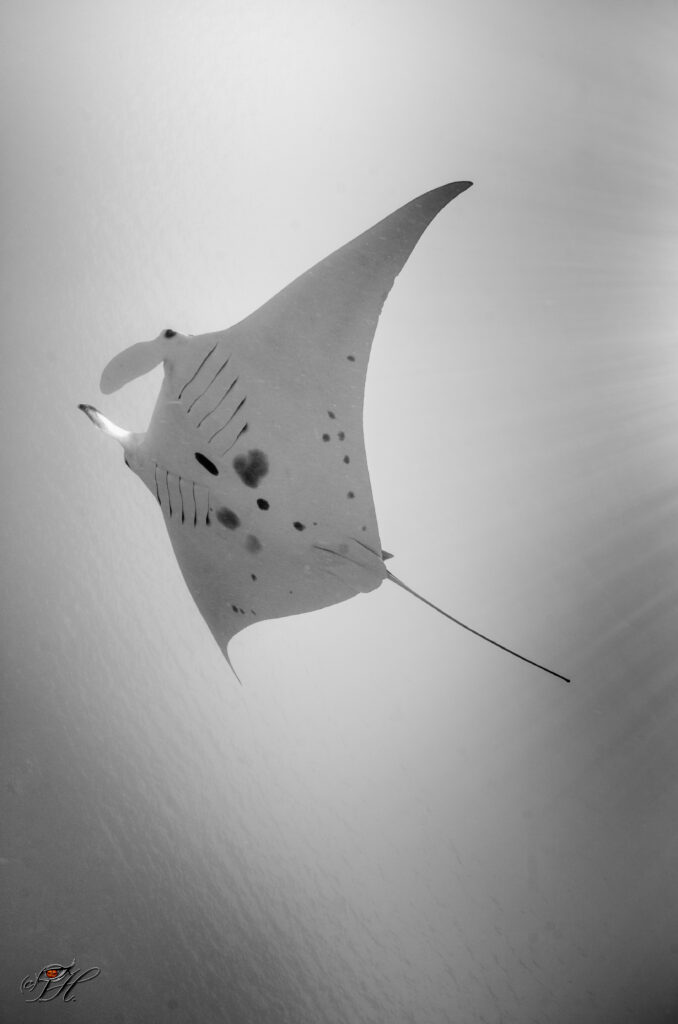
Manta Rays are majestical creatures that are on many divers’ bucket list! Here in Komodo the resident population sits at about 1200 identified individuals and scuba divers travel from all over the world to dive with these amazing animals. Manta etiquette and the right way to behave underwater is hugely important for all of us, as divers, to understand.
You may or may not know that individual mantas are identified by the pattern on their bellies! The belly spots on each manta are totally unique like the human fingerprint so each time a new manta is identified it is logged in the Marine Megafauna database which is why we can state with confidence there are over 1200 different individuals in Komodo National Park!
Why Komodo?
The fast currents and nutrient rich waters of Komodo help to keep our resident population happy and full! Mantas can be found at many of the dive sites in Komodo, but are most commonly found at Karang Makassar (a.k.a Manta Point), Mawan and Manta Alley. These dive sites in particular have Cleaning Stations that mantas enjoy to spend time at.
Manta Etiquette
Mantas are majestic, intelligent creatures and it is important that our interaction with them (as well as all forms of marine life) is as un-intrusive and respectful as possible!
Dive Guides will tell you during the dive briefings that it is important that we do not touch and do not chase the marine life. This goes for all creatures from the biggest manta to the smallest nudibranch.
Our interaction with mantas is often talked about and organisations such as the Marine Megafauna Foundation (MMF) offer specific guidance on how we should act while in the presence of these awesome animals.
Let’s take a look at some of the important points to remember below:
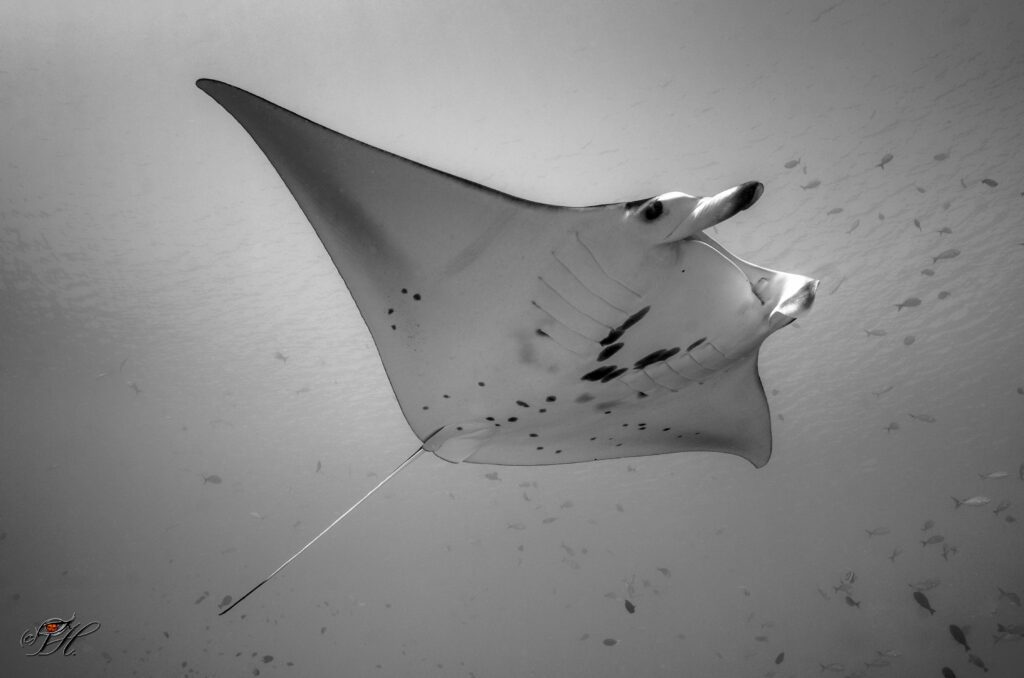
First of all what is a Cleaning Station?
Cleaning Stations are locations where different marine life will come to be cleaned by smaller creatures. Cleaning Stations can be found in both freshwater and marine environments and are used by a wide variety of animals.
Cleaning Stations are great examples of mutualism. This refers to a mutually beneficial ecological relationship between different creatures.
Mantas love Cleaning Stations!! They have often been shown to spend up to 8 hours per day cleaning and incredibly have also been shown to have favourite stations. Individuals have actually been recorded choosing one Cleaning Station over another!
As a manta approaches a Cleaning Station they slow their approach and will often look like they are “hovering” in one spot. Smaller creatures such as cleaner wrasse and butterfly fish will then approach the manta and help to clean the external surfaces by removing dead skin and and parasites they may find. As mentioned this process can sometimes last for hours and the manta will move in and out of the Cleaning Station in a loop pattern to make the most of the experience!
Cleaning Stations are an integral part of a manta’s life cycle and play a huge role in ensuring their health and wellbeing.
If you have been lucky enough to see mantas while cleaning you will see how elegant and “polite” the process is.
If there are multiple individuals at one Cleaning Station they will patiently wait and take turns moving in and out of the area. This process can last for hours with each looping around to the Cleaning Station pausing over the reef for moments at a time until they move out and the next individual will move in.
As scuba divers it is very important for us to be respective of this behaviour and ensure we don’t interrupt the line! This is why we recommend that all divers stay at least 3 metres away from the Cleaning Station area. If we are to encroach on this area the mantas will move away quite quickly to give us – the human – space to be cleaned! The smaller creatures doing the cleaning will also move away and hide among the coral and rocks as they are fearful of quick and sudden movements.
Your Dive Guides will always be keeping on eye on the group to ensure that an over excited diver isn’t getting too close and we will give you a little tap to call you back. If everyone follows this simple rule it means we can enjoy the show for the duration of the dive as it is likely we will be ready to leave due to air consumption before the mantas are finished cleaning!
Other important things to note:
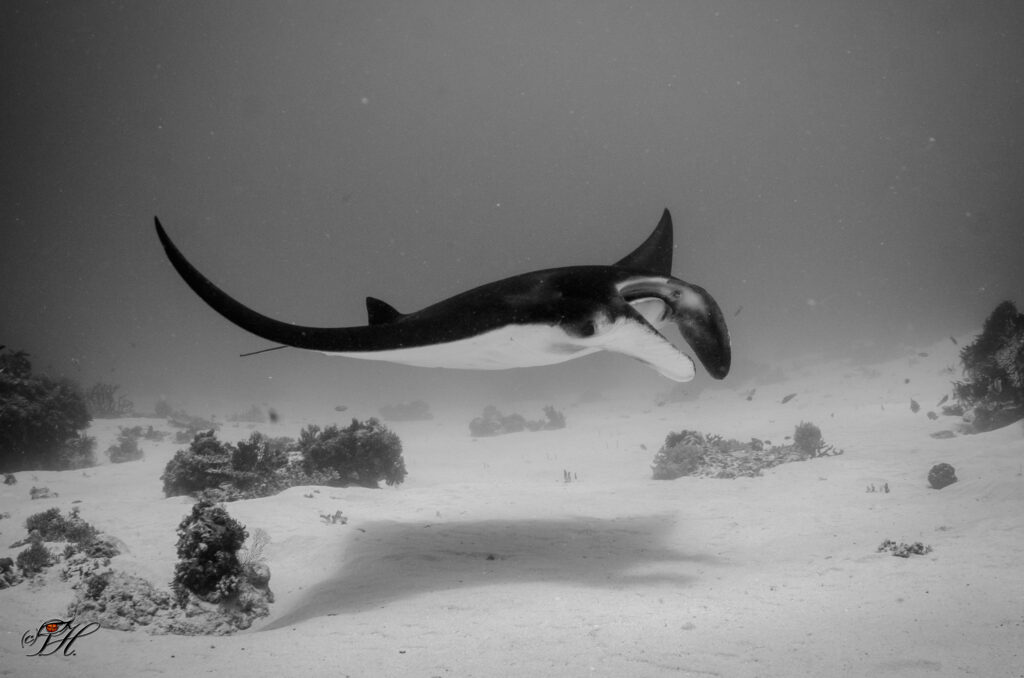
Mantas are large animals with the Reef Manta (aka Manta Alfredi) reaching a wingspan of 3-4 metres on average. It is important that we don’t chase or approach mantas from behind as they will often interpret this as predatory behaviour and swim away. With their large wingspan they are much faster than we are!
It is important also not to approach from above (especially so for snorkellers) as again they will interpret this as danger and move away.
Mantas do not respond well to divers who are moving quickly so being slow and remaining still is the best option.
It is vital that we never attempt to touch any marine life. A manta, if feeling secure and confident, is very inquisitive and there are many individuals here in Komodo that like to come in close and have a look at us divers! Mantas can come within centimeters of the a diver and it is so important that we do not try to touch them (although we understand the temptation!). Mantas have a protective film on their skin and human oils (even underwater) from our fingertips can be damaging to this.
The best advice we can give you
Let the mantas control the interaction! You will hear our Dive Guides say this a lot and we can promise you that this approach will give you the very best opportunity to enjoy magical experiences with these animals underwater.
Mantas are smart and intelligent, if they feel in control and not threatened they will often come closer and stay around for longer. We tell our divers to stay relaxed, stay calm, don’t move too much, don’t try to chase or touch or get close and they are more likely to come to you!
A quick recap:
If you would like to find out more about the Mantas of Komodo and the best time to dive here please get in touch now!
Have you ever considered a liveaboard diving holiday but not sure of how it all works? We here at Scuba Junkie have launched KLM Eliya – a Komodo based liveaboard offering 6 Day / 5 Night trips throughout Komodo National Park.
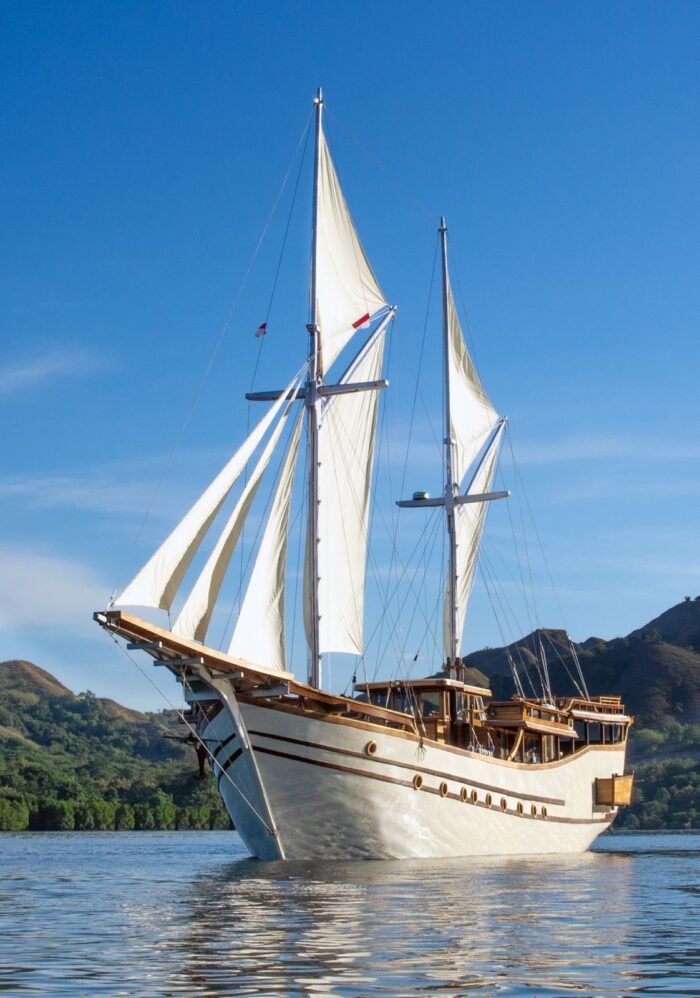
We understand that for many the idea of doing a diving liveaboard can be a little daunting so we thought we would explain a little more how it all works!
Liveaboard literally means live-on-board! This means that you spend your entire trip on the boat. Imagine falling asleep to the sound of waves lapping against the side of the boat and waking up in the morning to find yourself already at the first dive site and all of your gear is ready to go!
Liveaboard diving comes with many benefits. The crew aboard Eliya are ready to make sure your every need is met. Once you come aboard and get settled in your cabin our crew will help you setting up your dive gear. From the moment you set your gear up until the moment you leave our crew offer ‘full-service’ diving helping you change tanks, washing your gear, making sure you have everything ready before you jump in the water.
Eliya is currently based in Komodo National Park. One of the big benefits of diving off a liveaboard is that you can easily fit 4 dives into the day. Onboard Eliya we aim to do 20 dives over the duration of each trip! This means that you get a lot more diving in a shorter space of time. It’s also a great way to rack up the number of dives in your logbook!
A regular day onboard Eliya will look something like this.
Our smiling crew will be ready to wake you up nice and early for your first dive of the day. You can start with a quick cup of coffee and a little snack if you are hungry while listening to the dive briefing & then straight in the water for the first dive of the day!
Once you come back from your first dive breakfast will be ready and waiting for you. While you are eating breakfast Eliya will be making its way to the next dive site. After dive 2 you will be served a hot and tasty lunch and then will have plenty of time to relax and take in the views before your 3rd dive of the day.
The 4th dive will be a dusk or night dive depending on the location. Once you are out of the water, showered and refreshed after your dive there will be delicious Indonesian cuisine waiting for you. You can choose to eat in the open air dining area under the stars or be a little more relaxed in our covered cabin.
Liveaboard diving also comes with other perks – being on KLM Eliya means you will wake up to beautiful Komodo sun-rises and be able to relax in the evenings surrounded by stunning Komodo sunsets – one of our favourite things about being onboard KLM Eliya! For many people floating on the ocean and hearing the sound of the waves brings a peace and calm that can’t be beat! If you want to escape the hustle and bustle of everyday life then a trip onboard a Komodo liveaboard really is the only way to switch off and unwind.
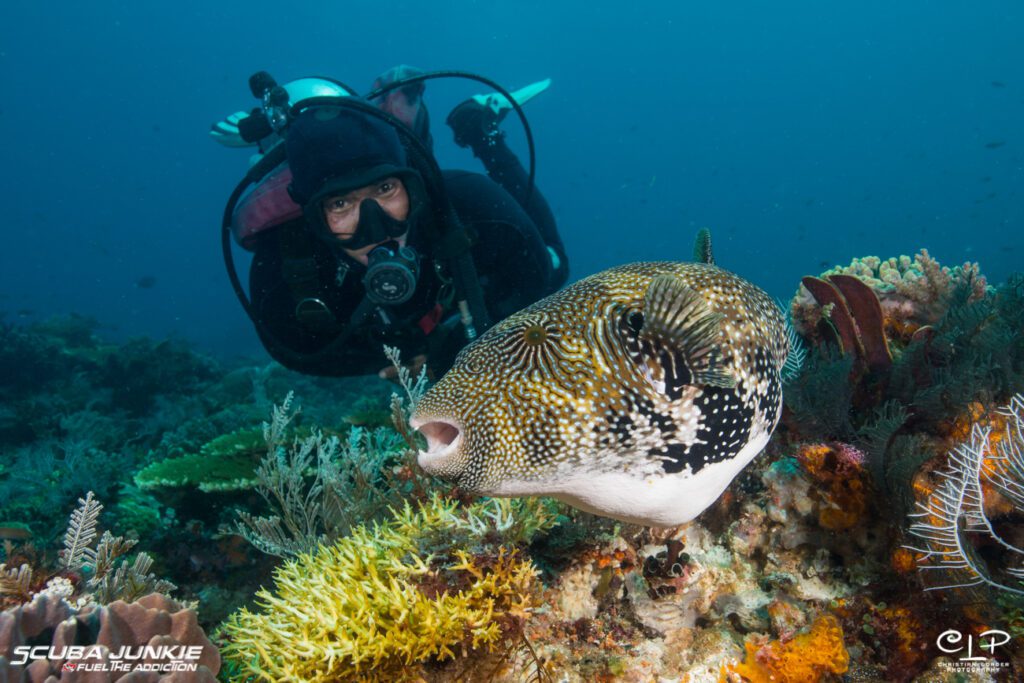
One of the main questions we get asked about liveaboard diving is “am I a good enough diver, will it be too intense for me?”
Diving in Komodo can be challenging and 4 dives a day can seem like a lot if it is not something you have experienced before. Doing 4 dives a day is a lot easier than trying to do the same schedule on a day trip because KLM ELiya is already at the dive sites! The first dive is early in the morning with 2 dives during the day and then a 4th dusk or night dive so the diving does actually feel very spread out through the day. There is no need to rush and you will have plenty of time to relax between dives!
The KLM Eliya has a super experienced dive crew that will ensure your safety and enjoyment while onboard. We keep dive groups small (so no more than 4 divers to the same guide) and we try to match people of similar experience levels. This is why we do not have a minimum number of dives or minimum certification requirement to dive with us. Although we will always encourage our guests to have and advanced certification or deep adventure dive before starting the trip.
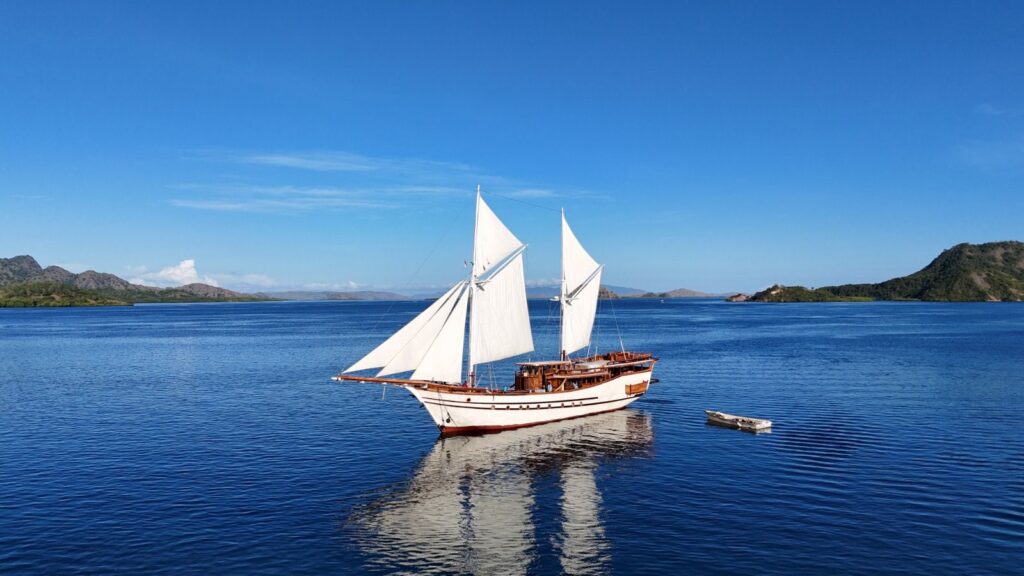
As Scuba Junkie we know the Komodo National Park very well as our Komodo Resort has been running in the area since 2015. The main consideration while diving here are the currents, but our Crew know these waters like the back of their hand! Many of our dive sites can be dived in a few different ways so how the guide chooses to dive a particular site will depend on the experience and comfort levels of the group.
Liveaboard diving often means a bigger number of dive sites to choose from as the boat is always in the National Park. This means that at certain times of year the dive sites that you will visit onboard Eliya are not accessible by day trip boats which gives the added value of being somewhere a little more remote with strong chances of having the dive sites all to yourselves! The other advantage of completing 4 dives a day usually means that, for sure, on the first and last dive of each day you will be the only divers at the site as none of the day boats will be around!
We have only touched on a few things here, but there are many reasons divers love liveaboard diving and many reasons why people choose just to do this type of diving on their holidays! Whether you are looking to try your first liveaboard diving experience or you have done some before KLM Eliya is the perfect choice.
Get in touch with us to find out a little more or even if you just have some questions about liveaboard diving in general please let us know and we will be happy to help!
Best time to visit Komodo? – With so much to offer it is easy to wonder when is the best time to visit Komodo National Park. Luckily for us diving in Komodo is possible ALL year round which means we can enjoy all this incredible area offers at any time of the year!
There are, however better times to visit if you are aiming for something in particular so we thought we would tell you a little more about the seasons and diving here.
Komodo National Park is located between the islands of Sumbawa and Flores in the Lesser Sunda Islands. The Park itself consists of the 3 main islands of Komodo, Rinca & Padar. There are however about 26 smaller islands also. The National Park is 1,733 km2.
The diving in Komodo is commonly divided into 3 areas – Central, North and South. So let’s explain a little more about the different areas.
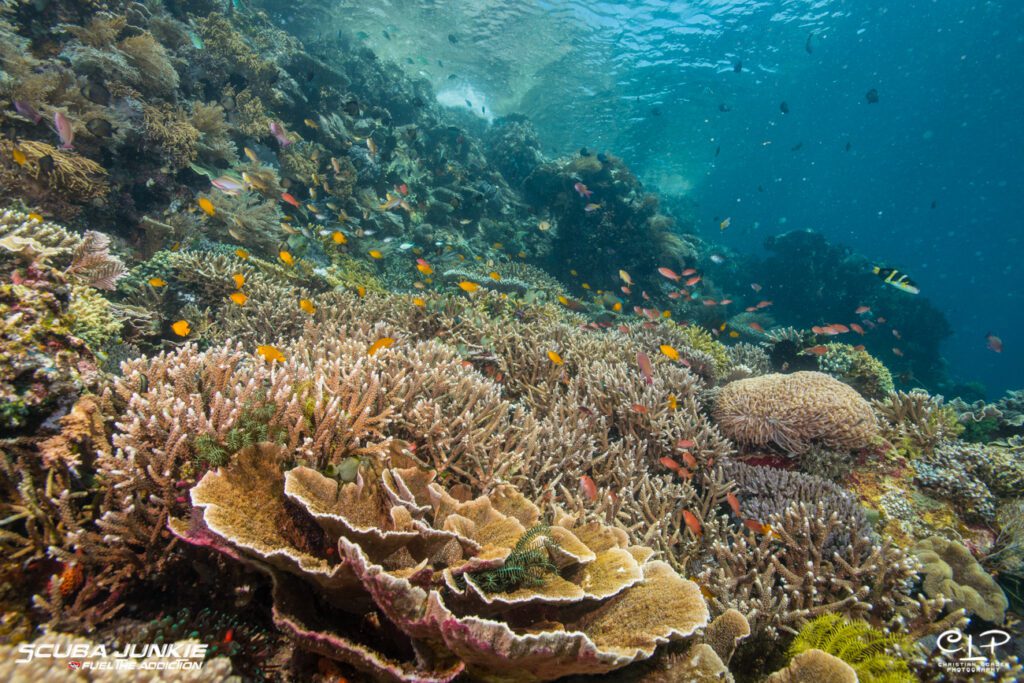
Best Time to Visit Komodo – Central Sites
These sites are the sites that sit between the east coasts of Komodo & Rinca Islands and the eastern boundary of the National Park. Famous dive sites you have probably heard of in this area are Batu Bolong, Manta Point, Mawan and Tatawa Kecil. There are many more!!
Central Komodo is accessible all year around. The conditions do vary a little throughout the year and we will come onto that a little bit later. The sites in this area really do offer something for everyone! Mantas frequent these central sites all year around, but for sure are seen in bigger numbers between September – May. We also get lots of reef sharks, green and hawksbill turtles, a huge variety of reef fish and stunning coral reefs. There are also a few fantastic macro / muck dives in this area where we will spend time looking for blue ring octopus, frogfish, nudibranch, ghost pipefish, pygmy cuttlefish and all the other little critters that find their homes here.
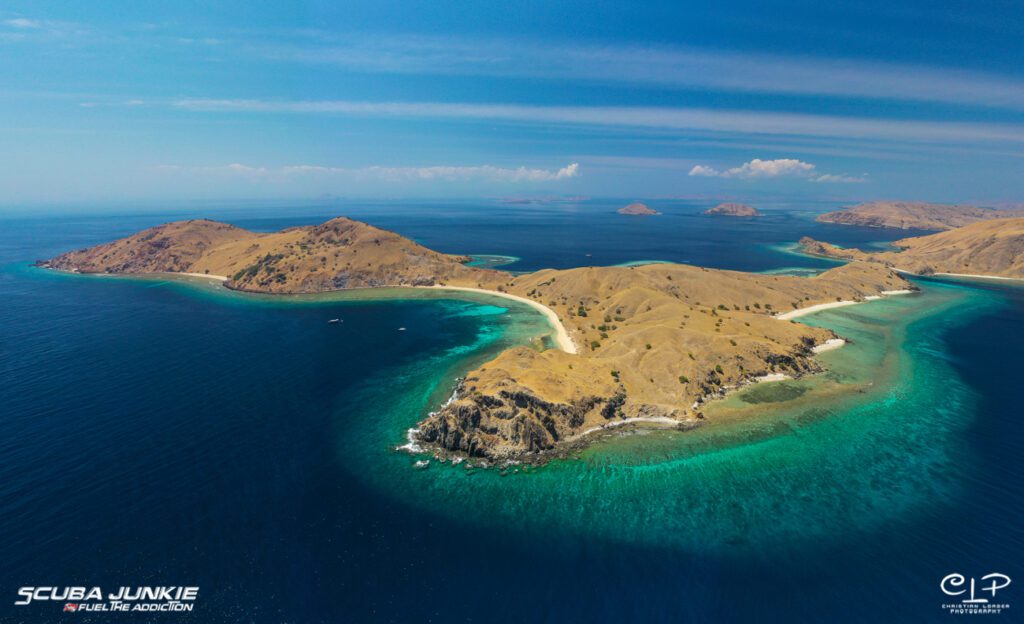
Best Time to Visit Komodo – Northern Sites
The north of the National Park is considered the area to the north east of Komodo Island. This area is much more exposed than the central sites as the islands are facing the open ocean. This does also mean these sites are usually great places to see “the big stuff.”
The dive sites can be found in and around the islands of Komodo, Gili Lawa Laut (Island close to the sea) and Gilia Lawa Darat (island close to the land – close to Komodo Island!). Some of the most famous sites in Komodo can be found here. We have The Cauldron / Shot Gun, Castle Rock, Crystal Rock and Golden Passage to name but a few.
Much of the diving at these northern dive sites does involve some current and it usually results in action packed dives with plenty of reef sharks and big schools of fish!
The Northern sites are best dived between March / April – October / November time as this is when the sites offer the best visibility and calmest sea conditions. For the remainder of the year the visibility can drop off quite a bit in this part of the National Park and the swell increases, but as this happens in the North of the Park the Southern sites open up!!
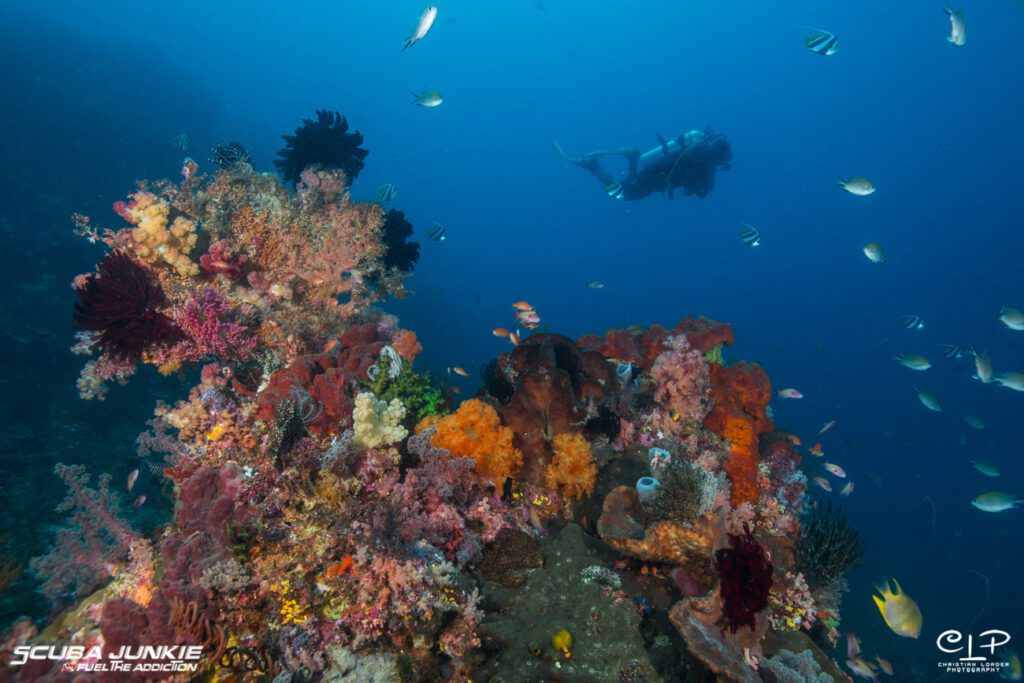
Best Time to Visit Komodo – Southern Sites
These sites are found to the south west of Komodo & Rinca Island with a number of popular dive sites being around Padar Island too.
The window for diving the southern sites in terms of great visibility and calm conditions is much shorter than the north. The southern sites are usually best dived between October – March. The reason for this is that during the rest of the year the visibility drops off and there can be often strong winds resulting in rough seas coming from the south.
The southern sites around Padar Island are famous for their topography with more of a rocky / wall topography and sites like Pillarstein where there are some fantastic swim throughs. The sites of Padar Bay and Secret Garden are home to corals that are not found in the central and northern sites and are also great places to look for frogfish, seahorses, pipefish and other smaller treasures! Small schools of devil rays can often be seen in the shallows at Secret Garden.
Towards Komodo and Rinca Islands there are the well known sites of Manta Alley & Nusa Kode as well as Cannibal Rock and many more. For Manta Alley the hint is in the name! Nusa Kode and Cannibal Rock have beautifully pristine reefs that will overload your senses with the variety of colourful coral that can be found here!
Dry Season / Wet Season
Indonesia sits on the equator which means we have 2 seasons here – the dry season and the wet season! The dry season usually lasts from March – October, but of course this can vary a little year to year. Dry season in this area means little to no rain and the islands become very arid giving most a brownish desert look.
The water temp this time of year ranges from 26-29 degrees with the warmest temperatures in July / August. The visibility also peaks in these months with 25-35 metre visibility on the majority of dive sites. Although the water is warm and the visibility is excellent we do see less mantas around the Park at this time of year as they often move further south to be in the more nutrient rich water and escape the busy boat traffic of high season!
The wet season usually runs from November – March. People are often worried about the term ‘wet season’ as it makes them think of all day every day monsoon rains! This certainly isn’t the case here in Komodo. Yes it does rain of course but it is common for the rain to start in the afternoons and the majority of rain fall occurring overnight. The days usually remain very sunny with blue skies!
Due to the sometimes heavy rain fall the visibility does drop off at this time of year with average visibility of 10-20m to be expected on most sites.
However this is a usually an excellent time to see mantas as they love the nutrient rich water that flows into the region at this time of year. It is not unusual to have dives with 30-40 mantas flying around during this season!! The water temperature at this time of year averages between 22-26 degrees so if you get a little chilly an extra vest or hood is worth bringing!
What to take away:
Best time to dive Komodo: Anytime is a great time – ALL year around!!!
Best chances to see lots of mantas: September – May
Best visibility: June – September (peaking in July & August)
Warmest water: July – August (peaking in July & August)
Dive Central Sites: All year around
Dive Northern Sites: March/April – October/November
Dive Souther Sites: October/November – Feb/March
Stay alert in the next month for our upcoming mini blog series highlighting our favourite diving spots in the northern, central, and southern regions of the Park.
If you are interested in finding out more about our liveaboard trips onboard our stunning KLM Eliya in Komodo National Park contact us here now.
Komodo’s newest liveboard the KLM Eliya is launching in April of this year. We would like to take this opportunity to invite you to come and join us on our latest adventure!
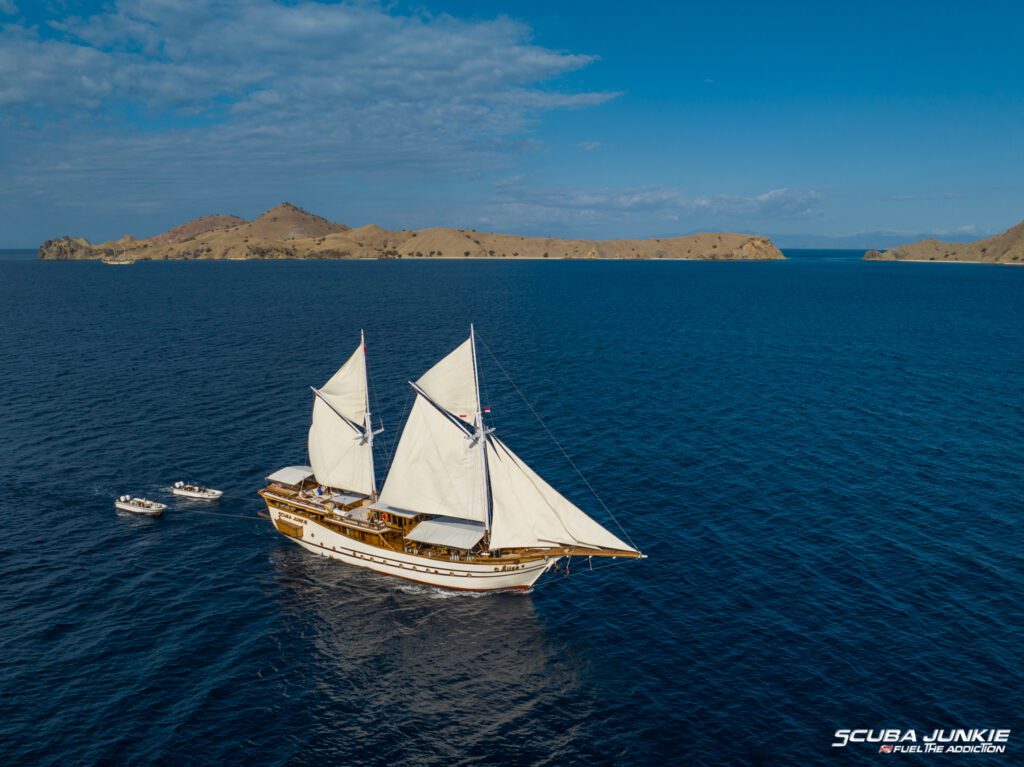
The Scuba Junkie Team have used their 20+ years experience of scuba diving in South East Asia to design and build this spectacular 30 metre phinisi style vessel.
KLM Eliya will offer you the very best liveaboard diving in Komodo and our Scuba Junkie Crew are ready to take you on the adventure of a lifetime through the waters of this world famous National Park. Komodo is a top class diving destination offering beautifully diverse coral reefs, an array of megafauna from mantas to sharks and a wonderful variety of schooling fish!! This area is also well known for the currents that we get here – this is another reason why the marine life and reefs remain so healthy! Our experienced team of dive guides onboard Eliya are ready to show you just what it is that makes this place so very special!
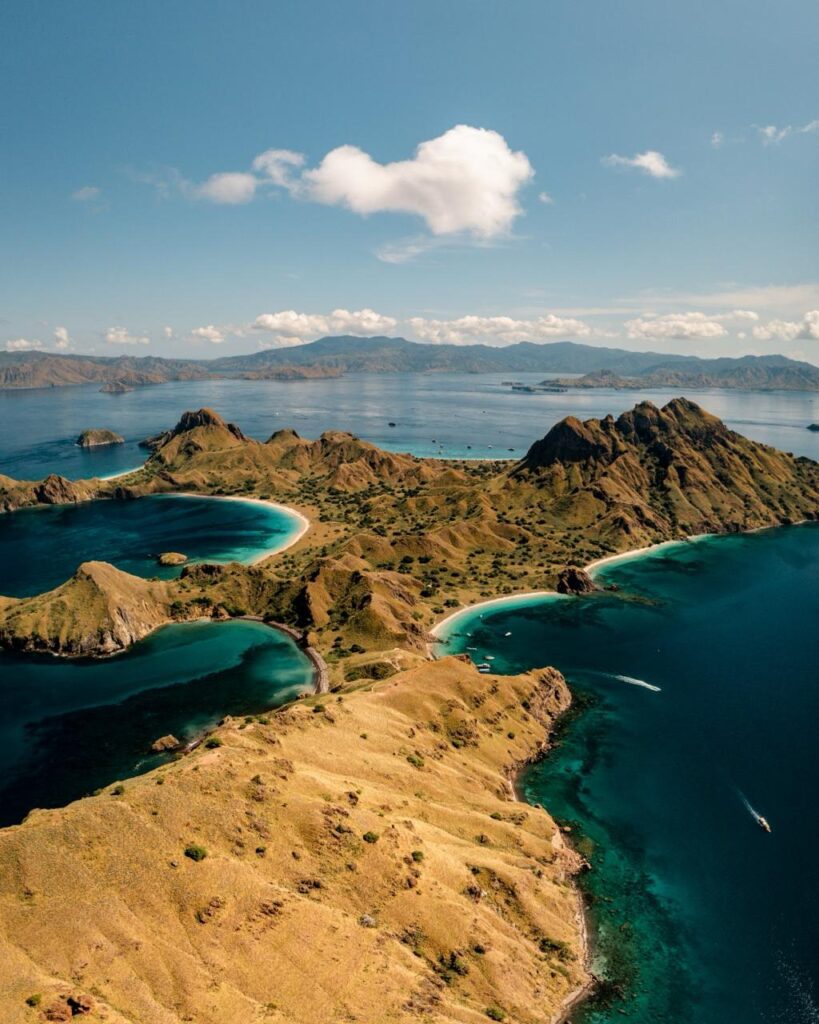
Check out more about the diving Komodo here.
KLM Eliya can cater for 14 divers in 6 double and 2 triple cabins. Each cabin is equipped with AC and hot water as well as ample storage space for all of your belongings. Our specious deck areas are the perfect place to unwind after your dives. KLM Eliya has been designed to offer practicality and comfort in very aspect.
Be one of the first to be welcomed onboard! Our Maiden Voyage is taking place at the end of April 2024. This trip is already fully booked but don’t worry we still have some amazing special offers available to you!!
For all trips departing in May 2024 we are offering a whopping 30% saving on our published prices. In June 2024 we are offering 20% of any bookings departing this month. These are fantastic savings on Komodo liveaboard diving which won’t be around for long!
Our 6 day 5 night trips are departing every Wednesday from the main harbour in Labuan Bajo. Each trip will combine 20 dives and an opportunity to do a land excursion to see the pre-historic Komodo Dragons. You can take a closer look at our trip itinerary here.
Our special offer trips departing in May and June will be focused on the Central & Northern dive sites of Komodo National Park. These areas include famous sites such as Manta Point, Batu Bolong, Cauldron / Shotgun, Castle Rock to name but a few. These sites offer some of the very best diving in the area and are famous for a reason!
Strong currents usually mean lots of action with megafauna and schooling fish a common sight. However, not every dive in Komodo is a strong current dive. Many sites offer more leisurely drifts across beautiful reef-scapes and the macro dive sites have an array of hidden treasures waiting to be discovered. The diving will be a mixture of early morning, day and night dives so you will have the opportunity to see everything Komodo has to offer.
Remember as valued Scuba Junkie Guests we also have fantastic Combo Deals for multi-location bookings. Should you wish to combine a trip to one (or more!) of our fantastic Indonesian locations – our resort in Komodo , Penida, Sangalaki and our Malaysian locations in Sipadan and Kota Kinabalu we have additional discounts available. Our Combo Deals allow you to make savings across multiple locations. The more locations you book the more you save!! (Terms & Conditions do apply)
If you want to find out more about our great savings please get in touch here and we can help you starting planning your next diving adventure!