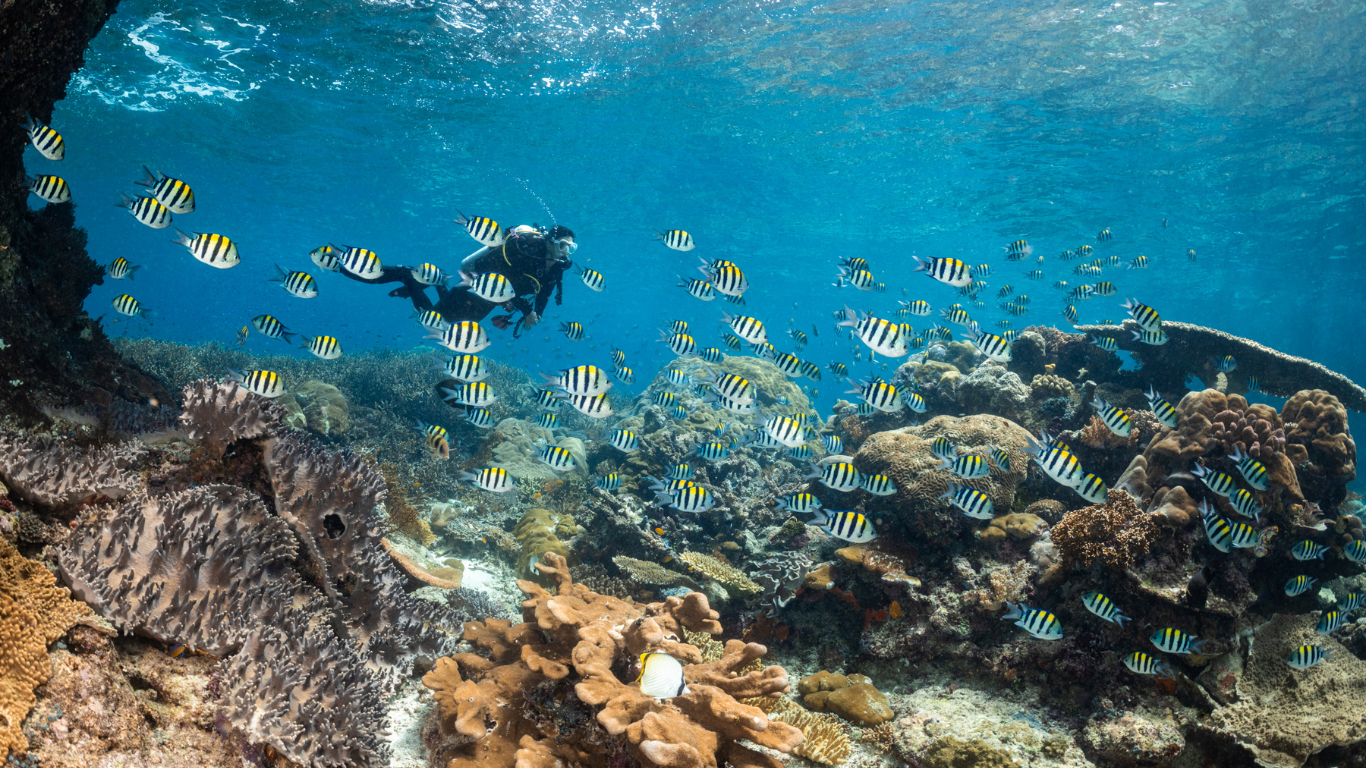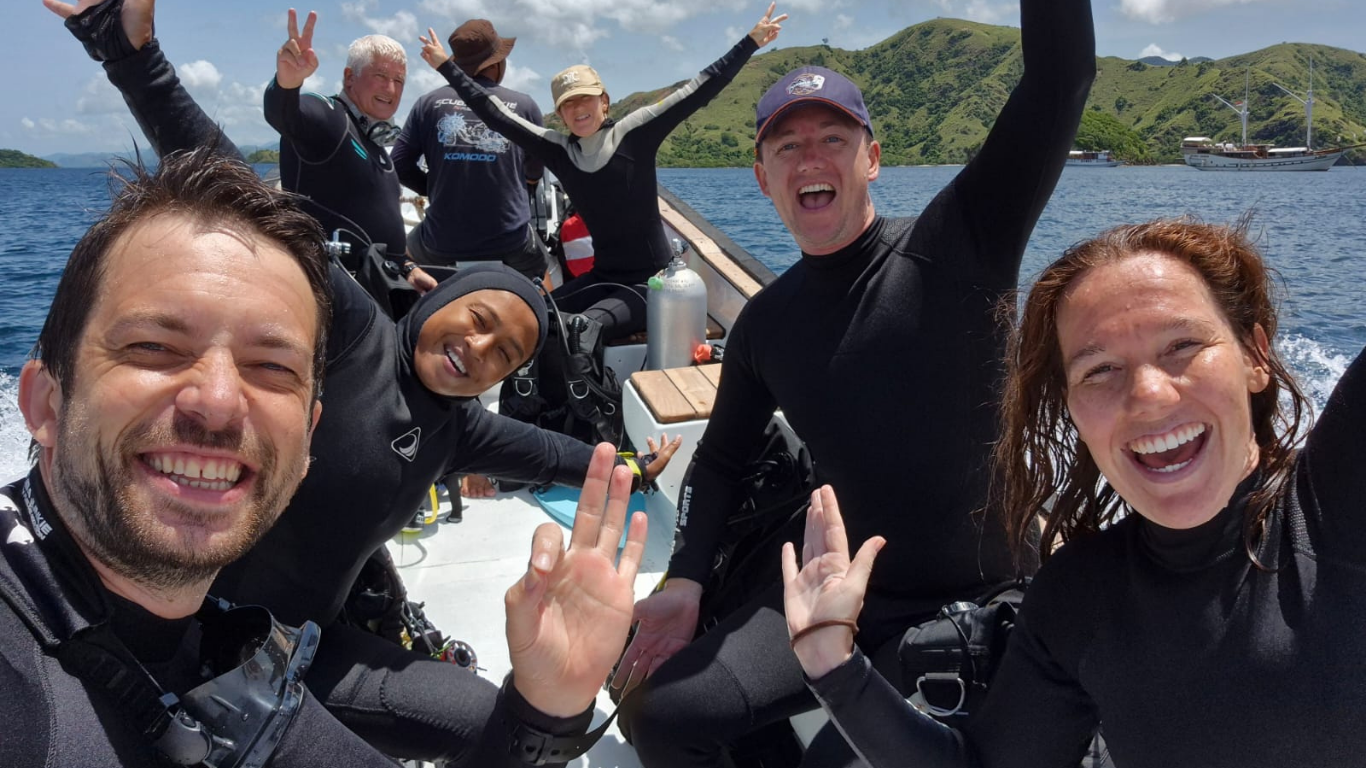
We provide Liveaboard trips in the within Indonesia. With trips to Komodo National Park, Raja Ampat & Banda Sea aboard our beautiful KLM Eliya. Come explore the beauty of some of Indonesia's best dive locations!
Looking for tips and tricks about diving, marine life or what to do in Indonesia? Follow us on our blog for weekly updates from the team!
World Oceans Day: Why Protecting the Ocean Means Protecting Ourselves

Conservation l Uncategorized June 11, 2026
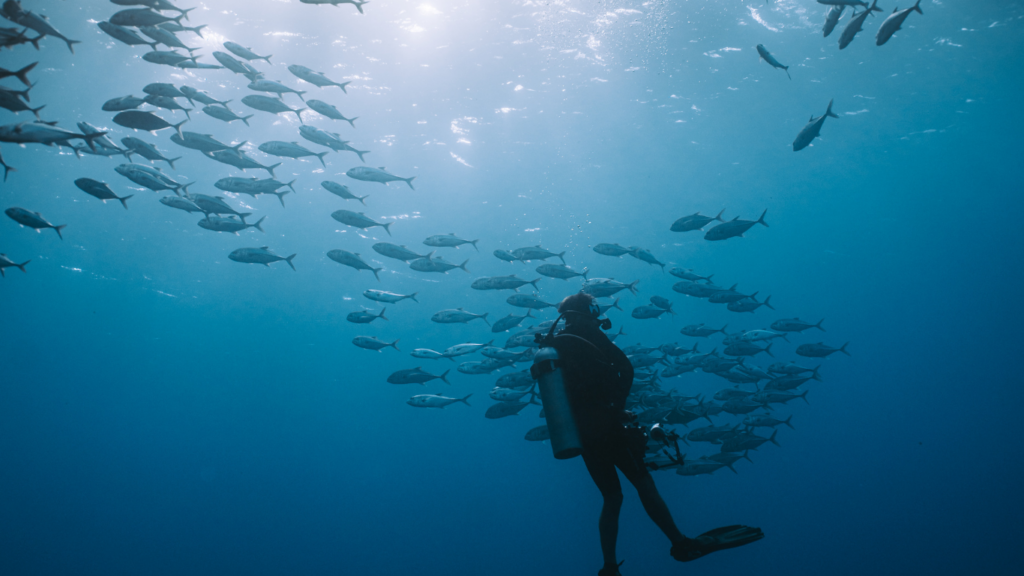
Table of Contents
Let this World Oceans Day remind us that the ocean is not separate from us but has always flowed through us, in everything we do and consume. Discover how small daily actions, responsible diving, and marine conservation efforts by the Scuba Junkie family help protect our blue planet.
The first time many of us truly understand the ocean is not from a documentary or a photograph. It happens quietly. Sometimes underwater, where the sound of the world disappears and all we hear is our own breathing. Sometimes standing barefoot on a beach at sunrise, watching waves arrive from places we will never see.
And sometimes, it happens when we lock eyes with a sea turtle gliding through coral reefs older than human history itself.
That moment changes people.
This is why World Oceans Day matters so deeply to us at Scuba Junkie. Not because it is just another date on the calendar, but because it reminds us that the ocean is not somewhere far away. It is part of every breath we take, every meal we eat, every climate system that keeps our planet alive.
The ocean gives us life long before we ever step into it.
Yet today, it needs our active actions to protect it more than ever. So, let’s reimagine our relationship to the ocean.
World Oceans Day Is About More Than the Ocean
We often speak about “saving the ocean” as though it were separate from humanity. But the truth is simpler and more uncomfortable than that. If the ocean suffers, we suffer too.
The ocean is one of Earth’s greatest oxygen producers and the foundation of our planetary life support system. It regulates our climate, feeds over 3 billion people, supports livelihoods, and protects biodiversity on a scale we are only beginning to understand.
And still, every year, millions of tonnes of plastic enter marine ecosystems. Coral reefs are bleaching under rising temperatures. Sea turtles mistake floating plastic bags for jellyfish. Ghost nets continue drifting silently through the sea, trapping marine life long after they were abandoned.
For many people, these problems feel distant. Easy to ignore.
That is part of the challenge.
We rarely protect what we do not feel connected to.
At Scuba Junkie, we have seen this transformation happen thousands of times. Someone arrives simply wanting a holiday or a dive certification. Then they descend beneath the surface for the first time and suddenly the ocean becomes personal.
A turtle is no longer just “marine life.”
A reef is no longer just “nature.”
The ocean becomes a living world they care about deeply.
And once people care, they begin to protect.
The Ocean Is Under Pressure, But Hope Still Exists
It is easy to feel overwhelmed when talking about protecting and preserving the ocean. Climate change, pollution, overfishing, habitat destruction… the list can feel endless.
But not all hope is lost.
In fact, one of the most beautiful things we witness every day is the incredible resilience of the ocean when people choose to care for it.
Across the Scuba Junkie family, conservation is not treated as a side project. It is part of daily life — from the small details, like providing guests with locally sourced eco-friendly toiletries across all our operations to weekly beach and underwater cleanups to the larger programs that define how we dive, travel, educate, and operate.
Through Scuba Junkie SEAS, our conservation arm founded in 2009, marine conservation has become deeply woven into everything we do. In Mabul, sea turtle nests are protected through hatchery programs that have already helped release more than 17,000 hatchlings back into the ocean. In collaboration with the Sabah Wildlife Department, injured turtles have been rehabilitated and returned to the wild through the Mabul Turtle Rehabilitation Centre.
Coral restoration projects, marine debris initiatives, shark conservation efforts, and educational outreach efforts all work toward the same idea:
Protecting the ocean starts with people.
Not perfect people.
Not scientists only.
Just people willing to care.
Can Diving Harm the Ocean? Yes — But It Can Also Help Protect It
This is an important conversation, and one we believe should be honest.
Yes, diving can damage reefs — if done irresponsibly. Poor buoyancy, touching marine life, littering, or overcrowding fragile ecosystems can all have negative impacts.
But when done responsibly, diving and other marine activities can also become one of conservation’s strongest allies.
At Scuba Junkie, responsible dive practices are central to how we operate. Environmental briefings, following the Green Fins code of conduct, reef-safe behaviors, and conservation education are integrated into the diving experience because we believe tourism should protect the places it depends on.
And perhaps even more importantly, diving creates emotional connection.
Someone who has watched a shark glide through blue water is far more likely to support shark conservation. Someone who has seen coral bleaching with their own eyes understands climate change differently. Someone who has floated beside a turtle often leaves carrying a sense of responsibility that lasts years beyond the trip itself.
The ocean stops being abstract.
It becomes real.
You Do Not Need To Live Near The Ocean To Become An Ocean Ambassador
One of the biggest misconceptions about marine conservation is believing only coastal communities or divers can make a difference. But the ocean connects all of us and our actions.
The plastic bottle thrown away inland can still reach the sea through rivers and drainage systems. The seafood choices we make influence the fishing industry. The products we buy, the waste we create, the businesses we support — all of these decisions ripple outward and can make a real difference.
Being an ocean ambassador does not require living close to the ocean. It begins with awareness. Sometimes the smallest actions matter more than we realize:
Using reusable bottles and bags to reduce unnecessary plastic consumption.
Supporting sustainable tourism operators such as Green Fins Members.
Learning and sharing about marine ecosystems.
Using non-toxic, reef-safe sunscreens.
Use local and public transportation when possible.
Supporting conservation organizations in-person or financially.
Sharing educational content instead of ignoring it.
Voting for candidates that prioritize climate action.
Even conversations matter. Because awareness spreads. And when enough people care, that’s when systems begin to change.
How We Can Protect The Ocean Together
The truth is that conservation is rarely about one dramatic action. It is usually thousands of small consistent efforts carried out by ordinary people.
At Scuba Junkie, we have watched travelers join reef and beach cleanups during their holidays and leave transformed by the experience. We have seen local communities become deeply involved in turtle protection initiatives. We have watched children release hatchlings into the sea and understand, perhaps for the first time, that nature’s future depends on them.
For those who have the time and would like to be more hands-on, participating in reef and beach cleanups, marine life monitoring, or marine conservation workshops can make a direct difference.
For those who are limited on time and resources, your support can still be powerful. Scuba Junkie SEAS runs programs such as turtle adoption initiatives connected to the hatchery and rehabilitation work in Mabul. Supporting these projects helps fund nest protection, rehabilitation efforts, monitoring, education, and conservation outreach. Many vital marine conservation organisations remain underfunded, any support you can offer makes a difference.
Sometimes helping the ocean means getting in the water.
Sometimes it means using your voice or wallet.
Both matter.
World Oceans Day Reminds Us That There Is Still Time
There is a tendency in environmental conversations to focus only on loss. But the ocean is still full of life worth fighting for.
While individual actions matter deeply, we can’t ignore that the future of the ocean also depends on larger decisions being made at government and industry levels. Marine protected areas, stronger regulations against pollution, sustainable fishing policies, and meaningful climate action all play a critical role in protecting marine ecosystems for future generations.
Sometimes helping the ocean means carrying a reusable bottle or joining a beach cleanup. Sometimes it means signing petitions, supporting environmental organizations, voting for leaders who prioritize conservation, or using our voices to demand stronger protection for our seas.
Real change happens when personal responsibility and collective action work together — whether that means carrying a reusable bottle, signing a petition, or voting for leaders who prioritize our seas.
And despite the challenges, hope is not lost.
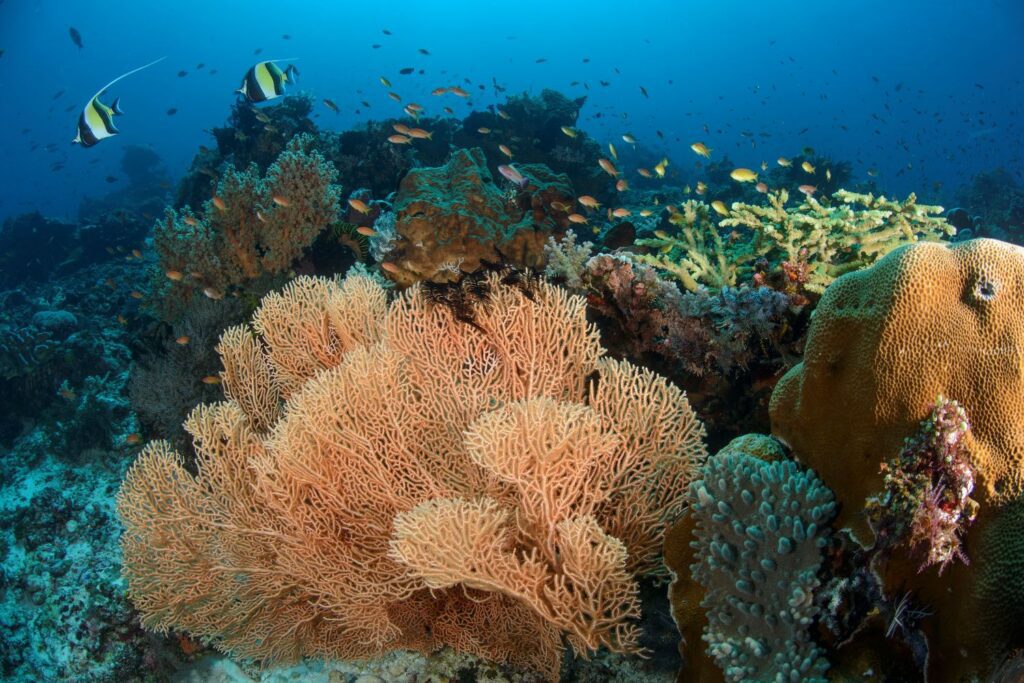
There are still healthy reefs bursting with color.
There are still turtles returning to the nest.
There are still communities choosing conservation over exploitation.
There are still people willing to dedicate their lives to protecting marine ecosystems.
Frequently Asked Questions About World Oceans Day
What is World Oceans Day?
World Oceans Day is celebrated every year on June 8th to raise awareness about the importance of the ocean and encourage global action to protect marine ecosystems.
Why is the ocean important to human life?
The ocean is one of Earth’s greatest oxygen producers, regulates the climate, supports biodiversity, provides food, and sustains billions of livelihoods worldwide.
How does Scuba Junkie help protect the ocean?
Conservation is embedded into everything we do at Scuba Junkie. As a Green Fins Member, we follow a strict code of conduct to minimize our environmental impact across all operations. Through Scuba Junkie SEAS, our dedicated conservation arm, this commitment extends further into turtle conservation, coral restoration, marine debris cleanups, shark conservation, and community outreach programs.
Can diving be environmentally friendly?
Yes. Responsible diving practices such as good buoyancy control, avoiding contact with marine life, using reef-safe products, and supporting eco-conscious operators can minimize environmental impact and promote conservation awareness.
How can people help the ocean if they live far away?
Reducing plastic use, supporting conservation projects, making sustainable purchasing choices, spreading awareness, and donating to marine conservation initiatives can all help protect the ocean from anywhere in the world.
What is the turtle adoption program in Mabul?
The turtle adoption initiatives supported by Scuba Junkie SEAS help fund sea turtle conservation efforts including hatchery protection, rehabilitation, monitoring, and conservation education programs in Mabul.
A Final Thought For World Oceans Day
The ocean does not ask for perfection from us.
Only respect.
Every refillable bottle, every cleanup, every conversation, every responsible dive, every protected reef, every rescued turtle — it all matters.
And perhaps the most powerful thing we can do is inspire others to care too.
Because the moment people fall in love with the ocean, they begin to fight for its future.