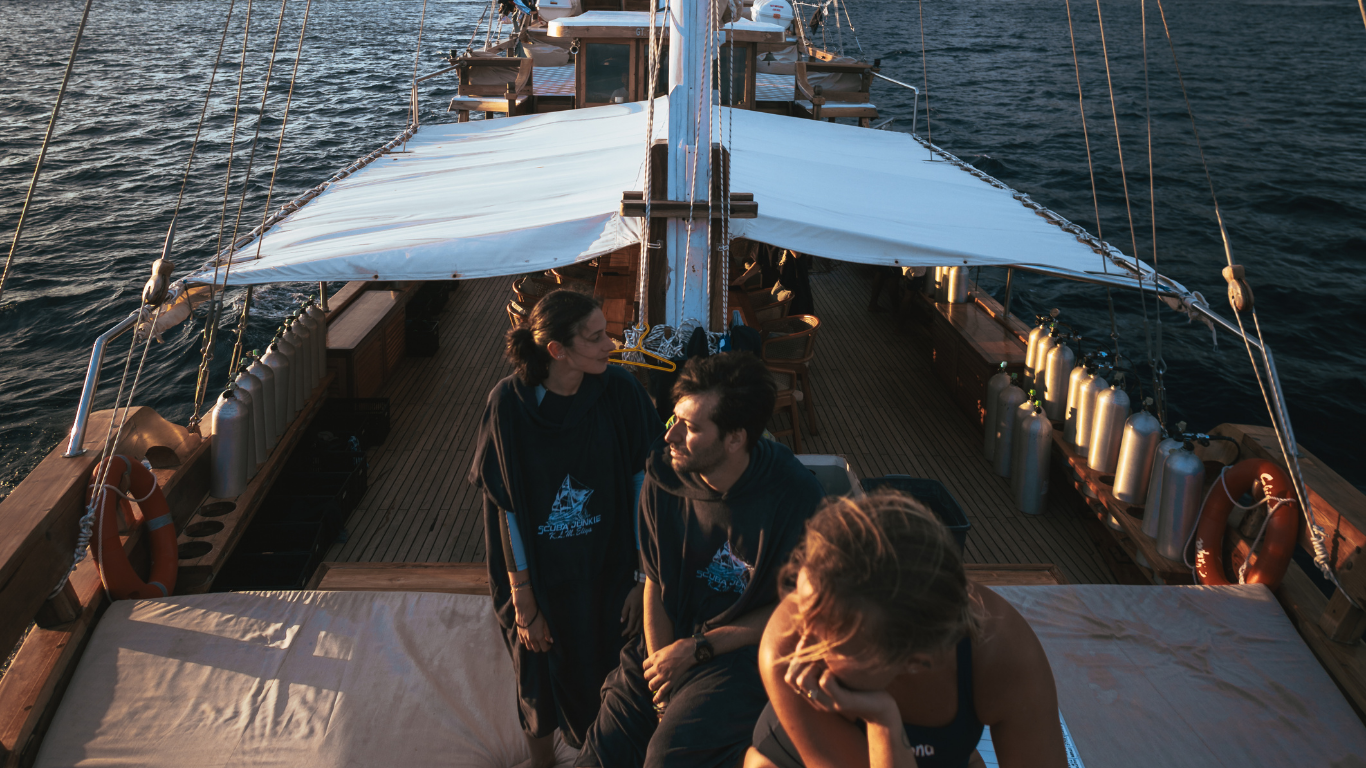
We provide Liveaboard trips in the within Indonesia. With trips to Komodo National Park, Raja Ampat & Banda Sea aboard our beautiful KLM Eliya. Come explore the beauty of some of Indonesia's best dive locations!
Looking for tips and tricks about diving, marine life or what to do in Indonesia? Follow us on our blog for weekly updates from the team!
Raja Ampat Marine Park: A Glimpse Into Nature, Culture, and Responsible Exploration

Diving l Raja Ampat December 6, 2025
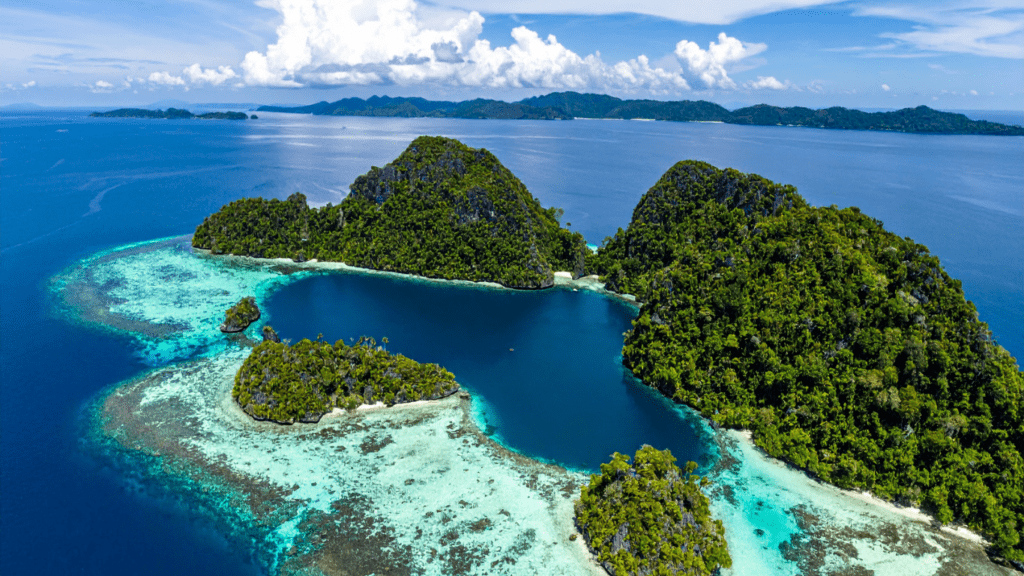
Table of Contents
Introduction: Raja Ampat Marine Park and Why It Matters
If you’ve been dreaming of visiting one of the world’s most extraordinary marine environments, Raja Ampat marine park is the name that appears again and again—and with good reason. Known for unmatched biodiversity, deep-rooted cultural traditions, and some of the clearest waters on Earth, the region stands as a reminder of how vibrant and delicate our oceans truly are.
This blog offers a gentle introduction to the marine park, its people, and its cultural landscape, while sharing a little Scuba Junkie excitement—because our upcoming Raja trips are nearly sold out, and November 2026 will mark Eliya’s very first journey to Raja Ampat. With only a few spots left on two departures, this feels like the perfect moment to help divers understand the magic of where they’re headed.
What Makes Raja Ampat Marine Park So Special?
The Heart of the Coral Triangle
Raja Ampat sits at the center of the Coral Triangle, the world’s most biodiversity-rich marine region. Scientists consider it a global priority for conservation due to its high coral cover, fish abundance, and healthy reef systems.
Extraordinary Marine Biodiversity
The Raja Ampat marine park holds:
- Over 500 species of coral
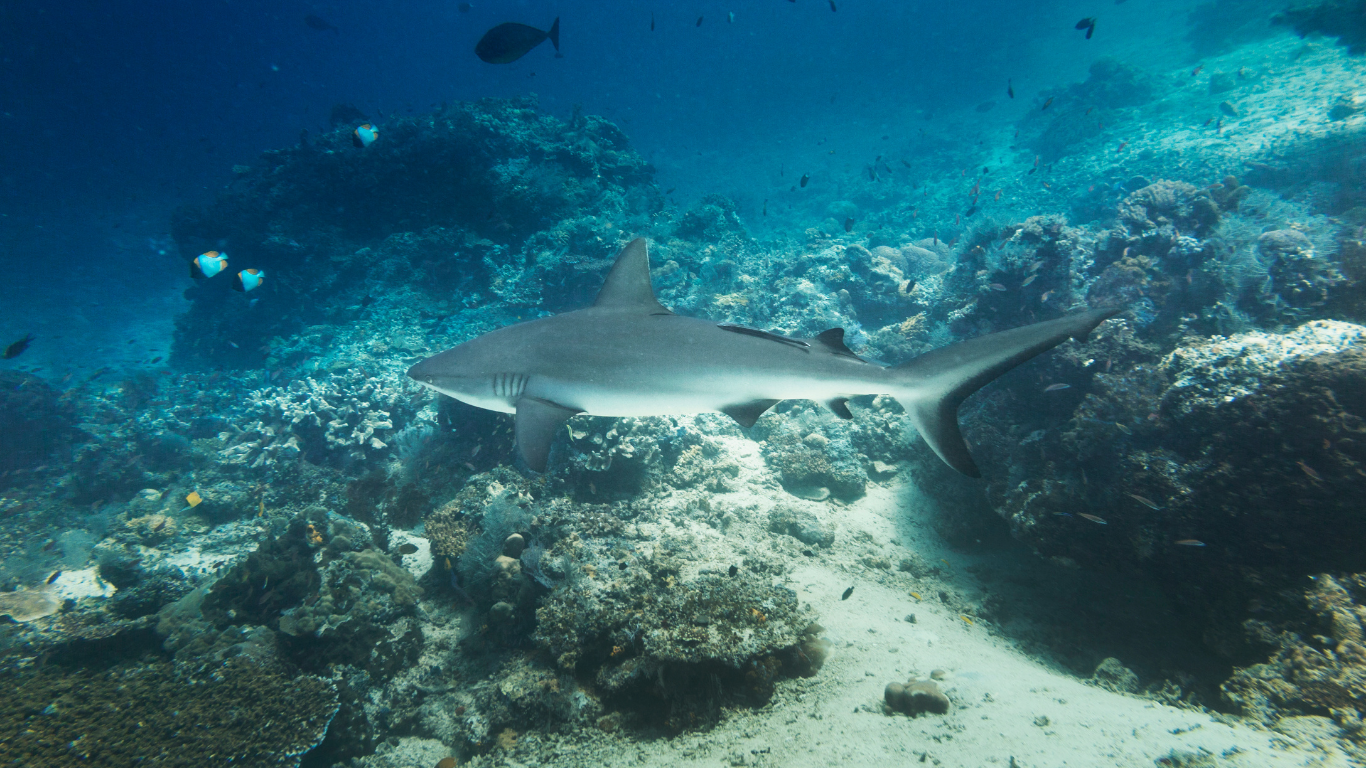
- More than 1,300 species of reef fish
- Majestic manta rays
- Pristine mangroves, seagrass meadows, and reef walls
This combination creates a dreamscape for divers: colorful, calm, and alive at every depth.
A Protected Area With Global Importance
The marine park isn’t just a tourist attraction—it’s a formally managed conservation zone designed to protect marine life for future generations. Visitors contribute directly to preservation through park fees and low-impact tourism practices.
The Culture of Raja Ampat: People, Traditions, and Respect
The Indigenous Papuan Communities
Raja Ampat is home to Indigenous Papuan groups whose lives are closely linked to the sea. Their knowledge of tides, reefs, and seasonal shifts is passed down through generations and deeply respected by conservationists.
Local Customs and Daily Life
Visitors may notice:
- Simple wooden stilt villages
- Traditional boats and fishing techniques
- Community gatherings and songs
- A warm, slow rhythm of life
Respecting privacy, modest dress near villages, and polite interaction goes a long way. A friendly smile is always returned with one.
Tourism Etiquette and Cultural Sensitivity
Being mindful of local customs keeps tourism harmonious. Basic guidelines include:
- Asking before taking photos of people
- Avoiding loud behaviour in villages
- Supporting local artisans and community initiatives
These small gestures ensure that tourism remains beneficial and respectful.
Conservation Efforts Within Raja Ampat Marine Park
Marine Protected Zones
The Raja Ampat marine park is divided into zones that regulate fishing, diving, and boating. These rules help fish populations recover and reefs remain healthy.
Community-Led Conservation
Local communities play a major role in patrolling the waters, reporting illegal fishing, and ensuring their environment is preserved. Their involvement is one reason the region remains so pristine.
The Role of Responsible Tourism
Responsible operators, divers, and travelers are essential. By following regulations and supporting ethical tourism, visitors help keep the ecosystem thriving.
Scuba Junkie and Raja Ampat: A Journey Years in the Making
Thanking the Scuba Junkie Family
The Scuba Junkie family has shown incredible enthusiasm for our Raja Ampat trips—so much so that most departures are already fully booked. Your trust, excitement, and loyalty mean everything, and we can’t wait to share these experiences with you.
Limited Spots Left for Upcoming Trips
At this point, only two trips still have a few available spots. If Raja Ampat has been on your bucket list, now is the moment before everything fills up.
Eliya’s First Trip in November 2026
A special note: November 2026 marks Eliya’s very first venture to Raja Ampat, making the upcoming seasons feel even more exciting. Sharing knowledge about the area feels important as we prepare for this milestone.
What Divers Can Expect: Gentle Guidelines for Visiting
Dive Conduct in a Protected Area
Small actions make a big difference:
- Maintain buoyancy to avoid touching coral
- Respect wildlife distances
- Avoid chasing or crowding mantas or other marine life
- Follow guides’ briefings carefully
These habits help keep the Raja Ampat marine park thriving.
Supporting Local Communities
Choosing local services, respecting cultural spaces, and acknowledging the park fee system all contribute to community livelihoods and conservation funding.
FAQs
1. Why is Raja Ampat so biodiverse?
Its location within the Coral Triangle and strong ocean currents create ideal conditions for marine life.
2. Do I need a permit to enter the marine park?
Yes. The Raja Ampat Marine Park Entry Fee supports conservation and community projects.
3. Is Raja Ampat suitable for beginners?
Due to the more advanced nature of some of the sites within the Raja Ampat Marine Park, we require all divers to be Open Water with a minimum Deep certification.
4. What is the best time to visit?
Conditions are excellent year-round, with November–April offering some of the calmest seas.
5. Can I visit local villages?
Yes, with respect for customs. Always dress modestly and ask before taking photos.
6. How do tourists support conservation?
Through park fees, ethical diving, and supporting community-led initiatives.
Conclusion: Embracing the Spirit of Raja Ampat Marine Park
The Raja Ampat marine park is more than a destination—it’s a living ecosystem intertwined with culture, tradition, and community-led conservation. For divers, it offers unmatched biodiversity and a powerful reminder of why protecting our oceans matters.
As we prepare for upcoming Scuba Junkie trips—with only two departures still holding a few spots—and with Eliya joining her first Raja adventure in November 2026, we hope this guide helps guests understand the beauty and responsibility of exploring this extraordinary region.