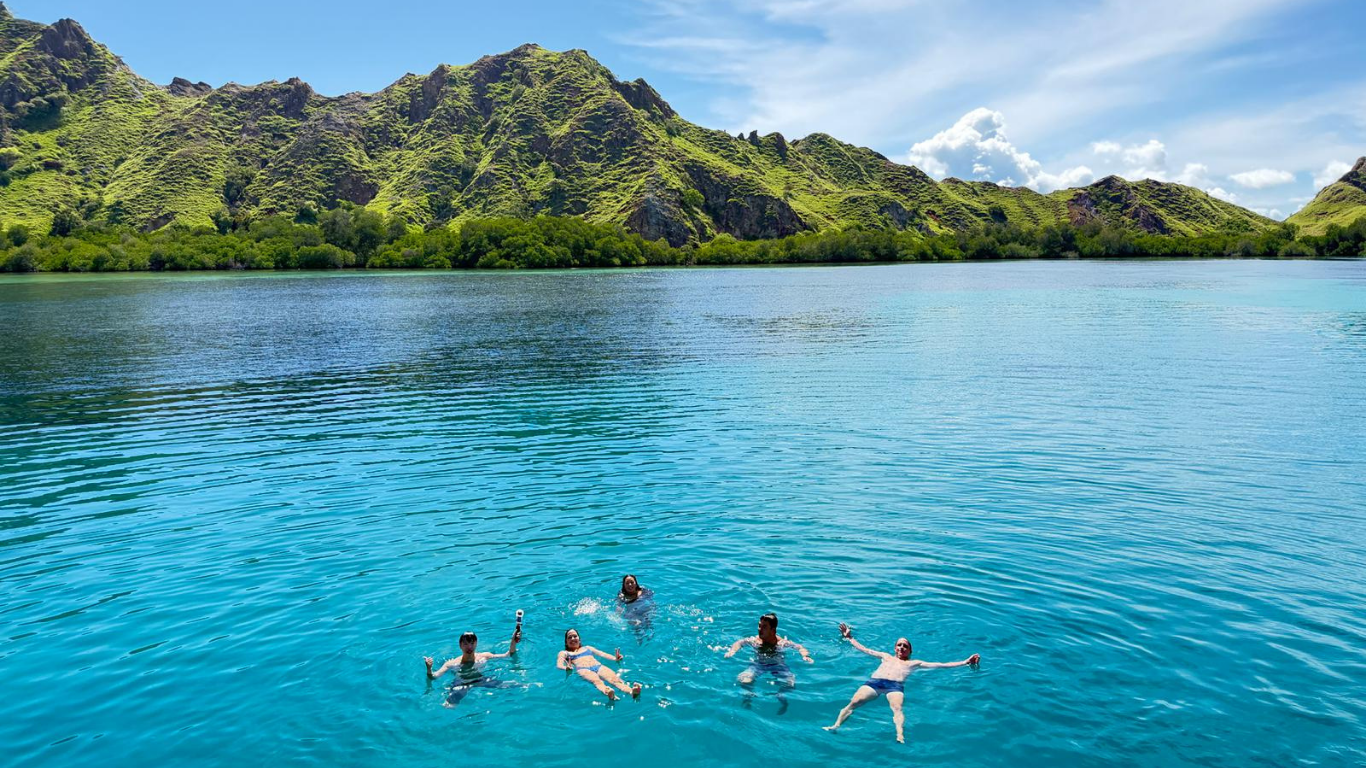
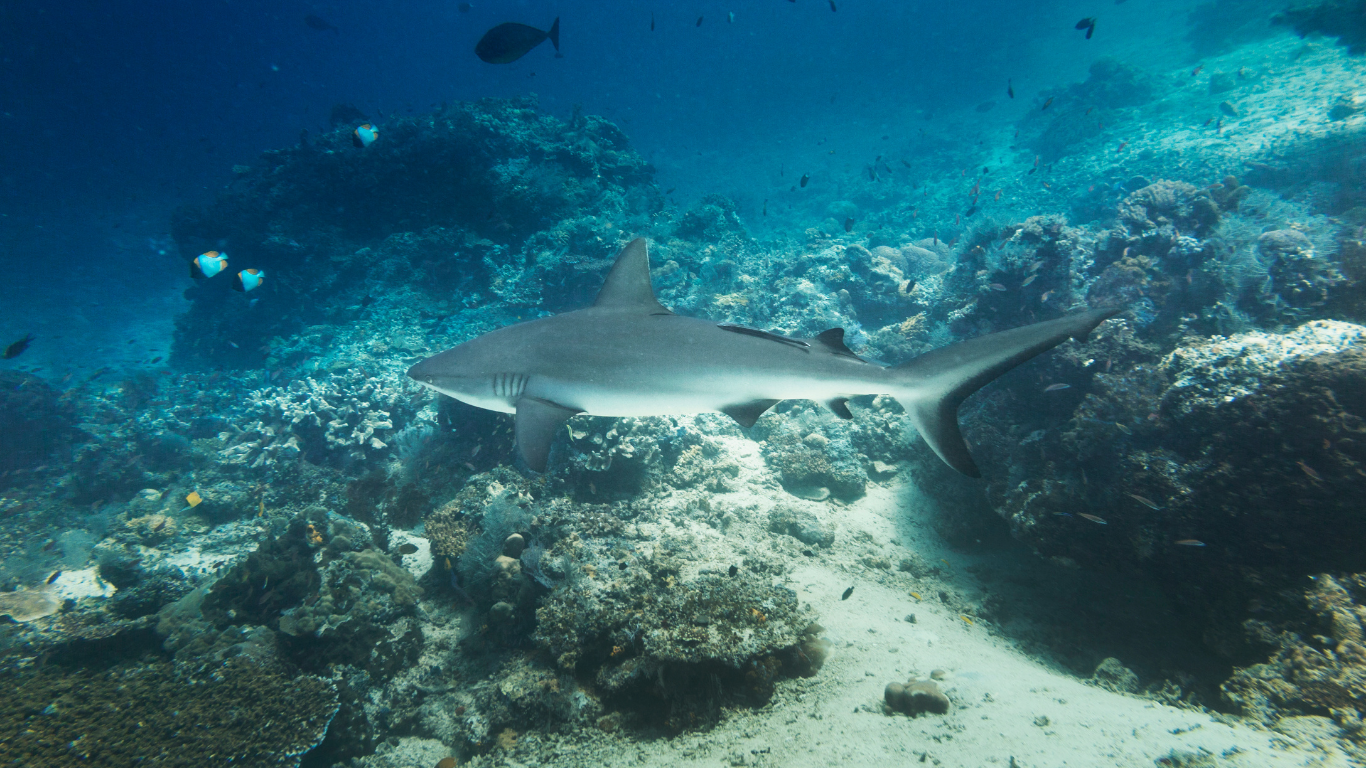
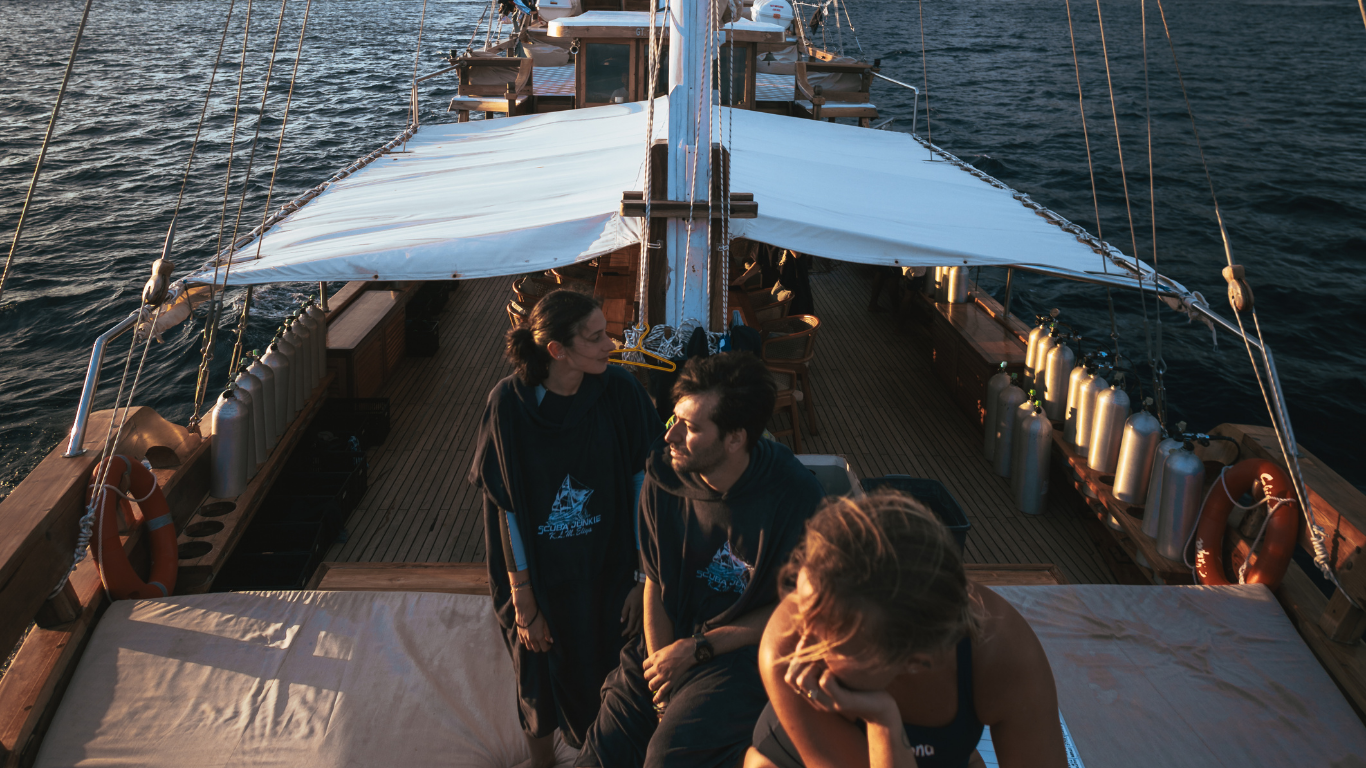
We provide Liveaboard trips in the within Indonesia. With trips to Komodo National Park, Raja Ampat & Banda Sea aboard our beautiful KLM Eliya. Come explore the beauty of some of Indonesia's best dive locations!
Looking for tips and tricks about diving, marine life or what to do in Indonesia? Follow us on our blog for weekly updates from the team!
Komodo Dragons in The Wild: 10 Wild Facts About the Last Living Dinosaurs

Uncategorized November 22, 2025
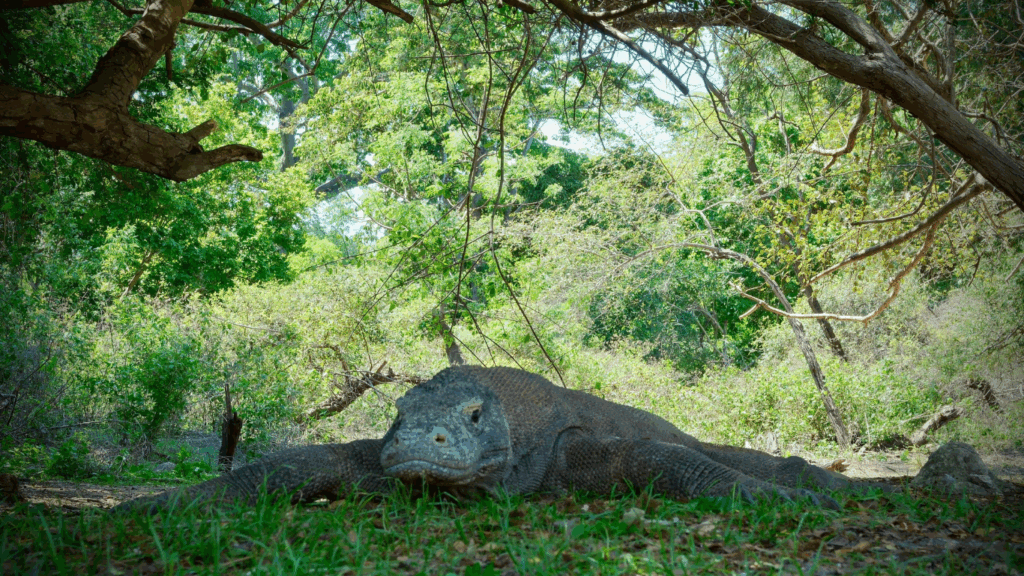
Table of Contents
Komodo Dragons – One of the most magical things about joining KLM Eliya is that your adventure doesn’t end underwater.
Yes, you’ll dive with manta rays, drift over coral gardens, and explore remote islands — but you’ll also walk among living dinosaurs.
This isn’t a fantasy. Here is the home of the largest lizard on Earth: the Komodo dragon.
They’re ancient, powerful, and oddly graceful in their own wild way. On land, under the tropical sun, in a national park shared with deer, monkeys, and water buffalo — you may spot one just meters away, basking or slowly stalking across your path.
These creatures are one of the rarest wildlife experiences in the world — and here are 10 wild facts that prove it.
1. Komodo Dragons Are Real-Life Dinosaurs
The Komodo dragon (Varanus komodoensis) is the largest living lizard on the planet, growing up to 3 meters long and weighing over 90 kg.
They’re ancient too — part of a lineage that dates back millions of years. Although not direct descendants of dinosaurs, they’re one of the closest, living reptilian links to that era.
They have armored skin, serrated teeth, powerful claws, and a presence that truly feels prehistoric.
2. They Were First Documented in 1910
While local communities had known of these dragons for generations (and even feared them in folklore), the Western world only discovered them in 1910, when Dutch colonial officers in Flores heard rumors of a giant lizard on Komodo Island.
One year later, Lieutenant van Steyn van Hensbroek led an expedition and sent a photo and report back to the Netherlands — and the legend was born.
3. Komodo Dragons Can Run — And Kill
Despite their slow, lumbering appearance, Komodo dragons are surprisingly agile. They can run up to 20 km/h in short bursts, and they’re known for ambushing prey with deadly speed.
They eat:
- Deer
- Wild boar
- Monkeys
- Birds
- Water buffalo
- And even smaller Komodo dragons
Once they bite, their victim rarely escapes. Komodos have sharp teeth, strong jaws, and a mildly venomous bite that causes rapid blood loss and shock.
4. Females Can Lay Eggs Without Males
Yes — it’s true. Komodo dragons are one of the few vertebrates capable of parthenogenesis, meaning females can lay fertile eggs without mating.
This happens when no males are available, allowing the species to survive even in isolation. It’s rare and remarkable — and a true example of evolutionary survival strategy.
They usually lay around 20 eggs, which incubate for 7–8 months before hatching.
5. Baby Dragons Live in the Trees
Once hatched, young Komodo dragons immediately climb trees to avoid being eaten — yes, by other dragons. They spend their early life in the canopy, eating insects, lizards, and small birds, until they’re big enough to survive on the ground.
6. Where Can You See Komodo Dragons in the Wild?
Komodo dragons only live on five islands in the world:
- Komodo
- Rinca
- Gili Motang
- Nusa Kode
- Flores (in very limited numbers)
7. Why Only in These Islands?
It’s believed that Komodo dragons once roamed a much larger area of Indonesia and Australia. Over time, due to rising sea levels and habitat changes, their range shrank — isolating them on a handful of islands in the Lesser Sundas.
Here, they survived as apex predators — without natural enemies and with just enough prey.
8. Are Komodo Dragons in Danger?
Yes. They are currently listed as Endangered on the IUCN Red List.
Their main threats include:
- Climate change, which affects nesting conditions and prey availability
- Human development, shrinking their habitat
- Natural disasters, which can devastate island populations
- Tourism mismanagement (although this is improving)
Komodo National Park was created in 1980 to protect these animals, and today it is a UNESCO World Heritage Site and a model for conservation in Southeast Asia.
9. They’re More Than Just Predators
Komodo dragons play an important role in the ecosystem. As apex predators, they help regulate the populations of other animals — like deer and monkeys — maintaining a balanced environment.
Their survival is linked to the survival of the whole island ecosystem. Protecting them means protecting all the life that depends on this unique environment.
10. You Can Visit Them — Respectfully
With Scuba Junkie Liveaboards, we offer an optional land tour to see the dragons during your trip.
You’ll hop into the dinghy with your group and land at the edge of the Komodo National Park. A local ranger, trained by the park, will lead your group through dragon territory — sharing stories, pointing out wildlife, and yes, helping you get that perfect dragon photo (they’re great photographers, trust us).
Tour prices vary based on group size, with local park guides shared at a 1 guide per 5 guest ratio. On average, guests contribute around 50,000 IDR per person. Your crew will organize everything for you.
This tour is optional and weather/conditions permitting
Final Thoughts: The Land of Dragons Awaits
Diving may be what brings you to Komodo. But it’s the dragons that leave you speechless on land.
Komodo dragons are not just wild animals — they are living time capsules. Fierce, fragile, and completely unique to this part of the world.
If you’ve never seen one in the wild, the time is now.
💬 Would you walk in dragon territory?
Tell us in the comments — would you join the Rinca trek, or wait on the boat? Have you ever seen one before?
Let’s talk dragons.