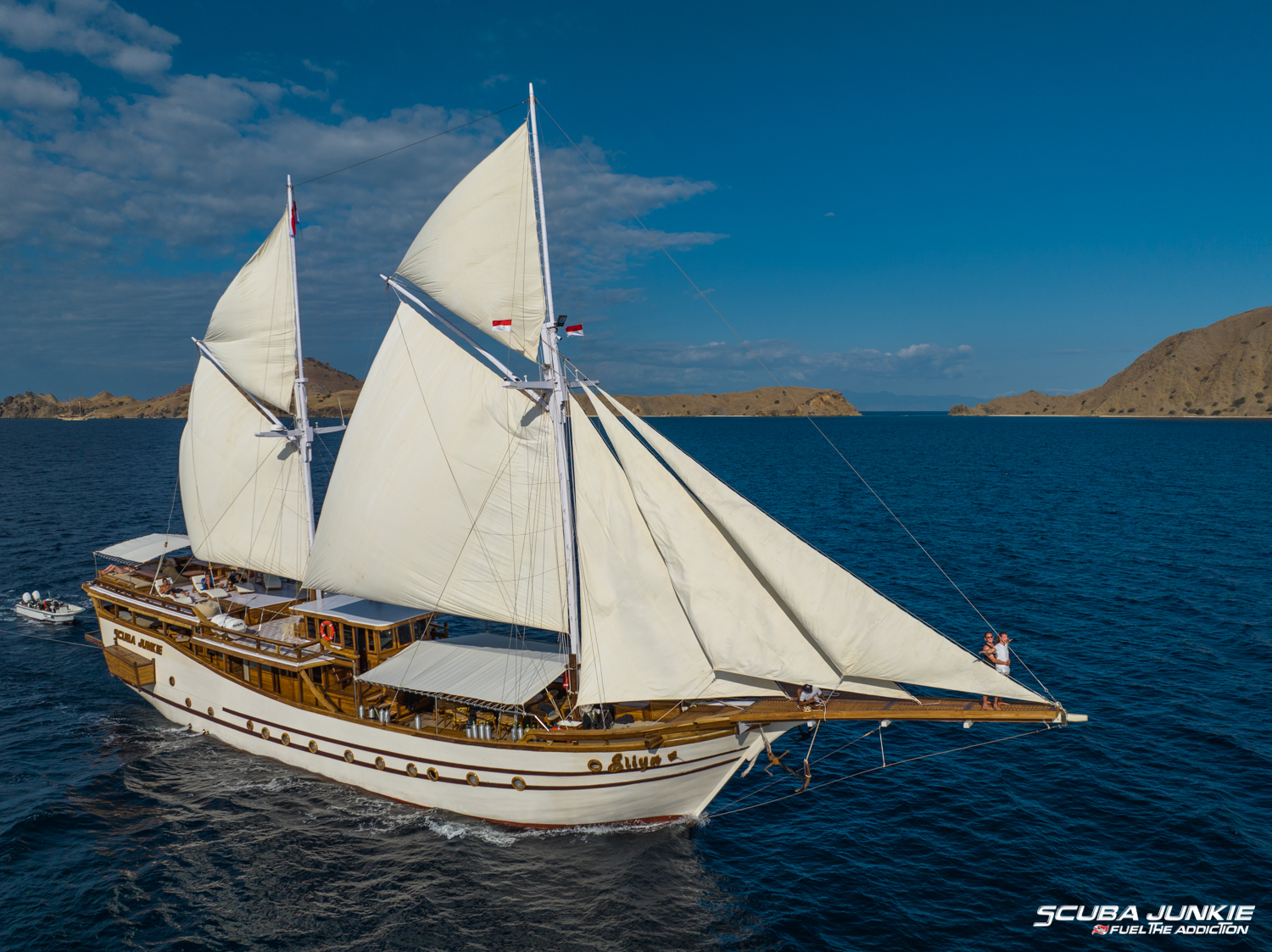
We provide Liveaboard trips in the within Indonesia. With trips to Komodo National Park, Raja Ampat & Banda Sea aboard our beautiful KLM Eliya. Come explore the beauty of some of Indonesia's best dive locations!
Looking for tips and tricks about diving, marine life or what to do in Indonesia? Follow us on our blog for weekly updates from the team!
Drift Diving Explained: Why So Many Divers Love Diving With the Current

Uncategorized July 22, 2026
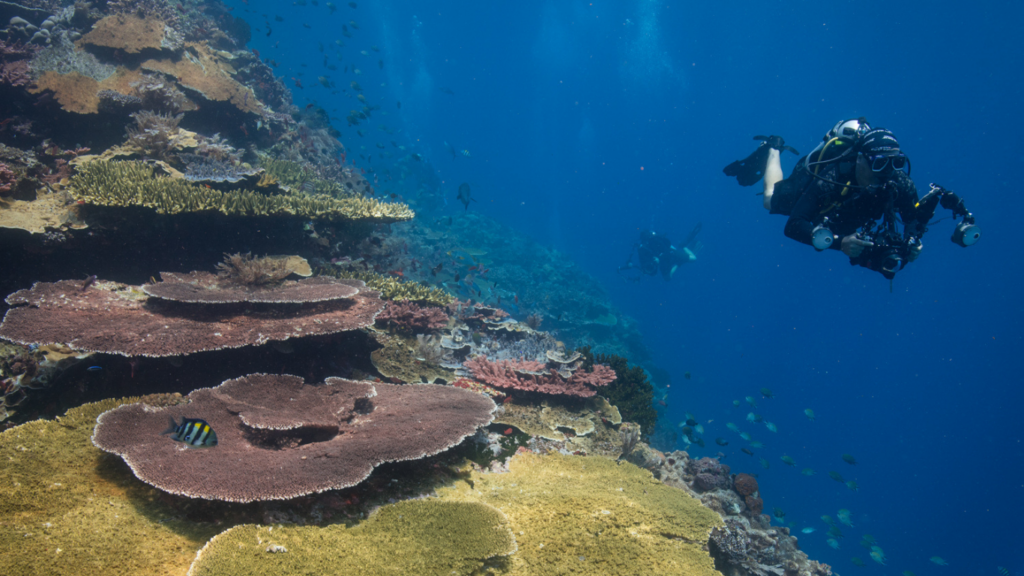
Table of Contents
Ask a group of divers how they felt before their first drift diving experience and you’ll probably hear the same answer more than once.
“I was nervous.”
It’s a completely normal reaction.
From the very beginning of our diving journey, we’re taught to control our movements underwater. We learn buoyancy, finning techniques and navigation, so the idea of diving in moving water can seem intimidating at first. The word current often sounds like something to avoid rather than something to enjoy.
Then comes that first drift dive.
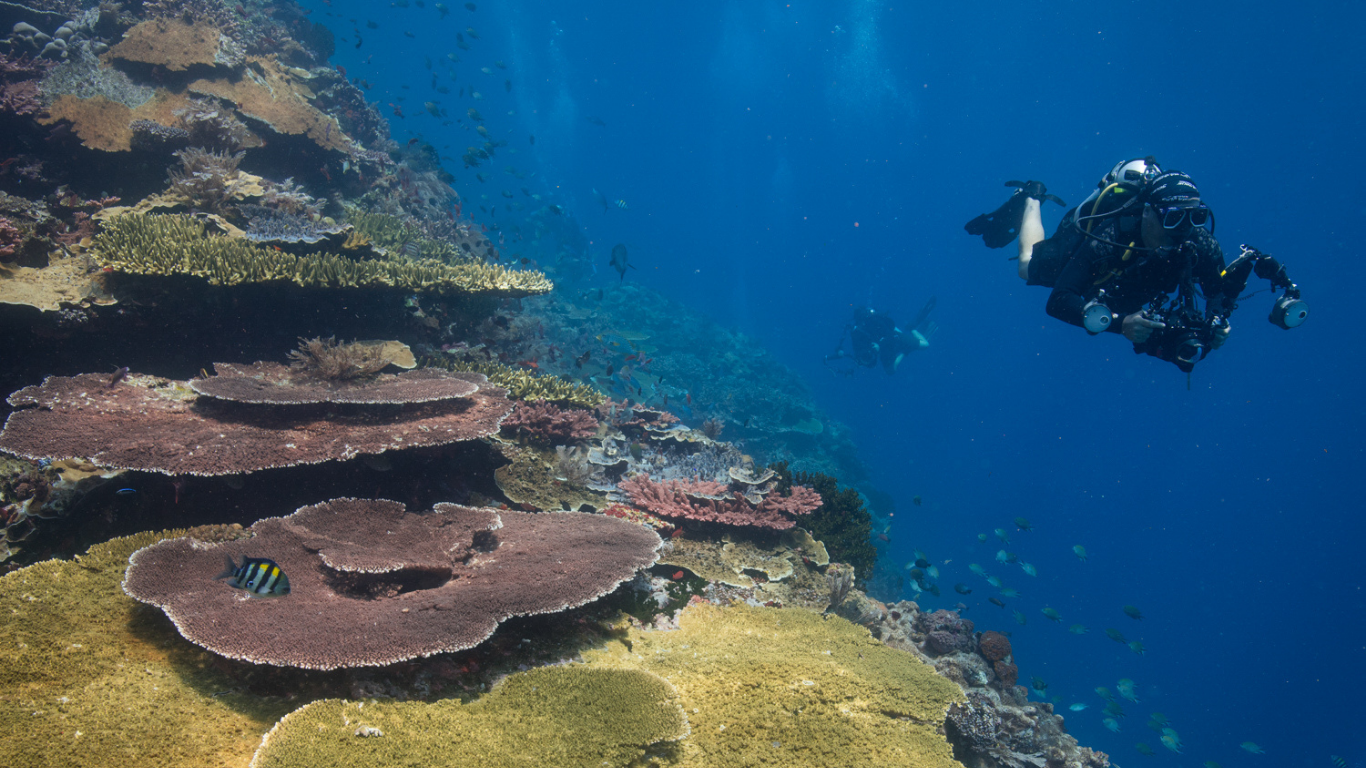
Instead of fighting the water, you realise the current is carrying you effortlessly across the reef. Your breathing slows down, your finning becomes lighter, and before you know it, you’re gliding over coral gardens while schools of fish move alongside you.
That’s usually the moment divers understand why drift diving has become one of the most enjoyable ways to explore the underwater world.
What Is Drift Diving?
Simply put, drift diving is a dive where the natural movement of the water becomes part of the journey.
Rather than swimming long distances, divers allow the current to carry them across the reef while the dive boat follows from the surface. The route, speed and distance covered all depend on the strength and direction of the current, making every drift dive slightly different from the last.
The goal isn’t to fight the current.
It’s to work with it.
When done correctly, drift diving often feels surprisingly effortless. Instead of focusing on swimming, divers can spend more time observing marine life, enjoying the scenery and maintaining good buoyancy.
It’s one of the reasons experienced divers often describe it as feeling more like flying than swimming.
Why Do Divers Love Drift Diving?
One of the biggest surprises for new drift divers is how relaxing it can be.
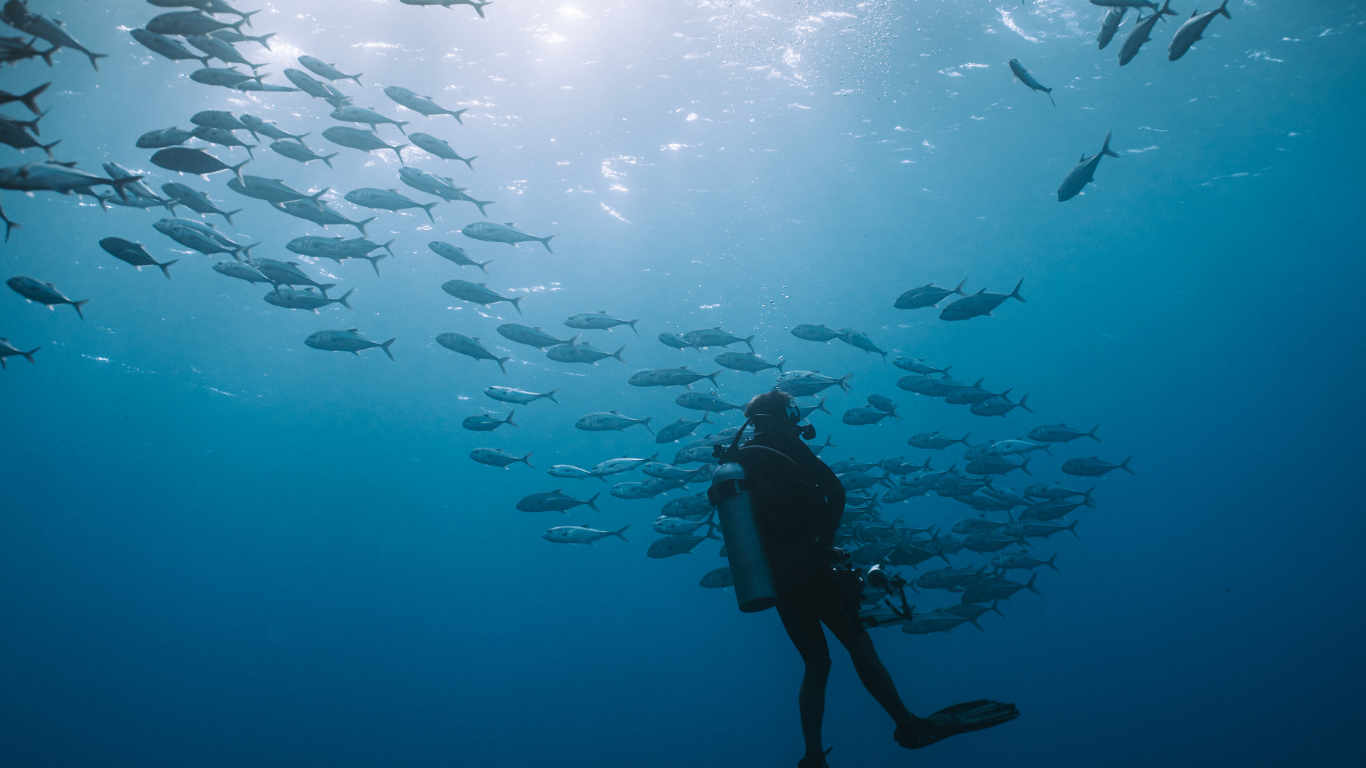
As the current carries you along, the reef unfolds naturally beneath you. Large coral bommies appear one after another, schools of fish move in and out of the blue, and the dive becomes a continuous journey rather than swimming from one point to another.
Because you’re covering a larger area, every few minutes the underwater landscape changes. A colourful coral garden may give way to a dramatic wall, followed by a sandy channel or a reef slope full of marine life.
Many of the world’s most famous dive destinations are known for drift diving because currents bring nutrients into the ecosystem. Those nutrients support healthy coral reefs and attract the incredible diversity of marine life that divers travel across the world to see.
In many cases, the current itself is one of the reasons these reefs are so alive.
Does Drift Diving Mean Strong Currents?
Not necessarily.
This is probably the biggest misconception surrounding drift diving.
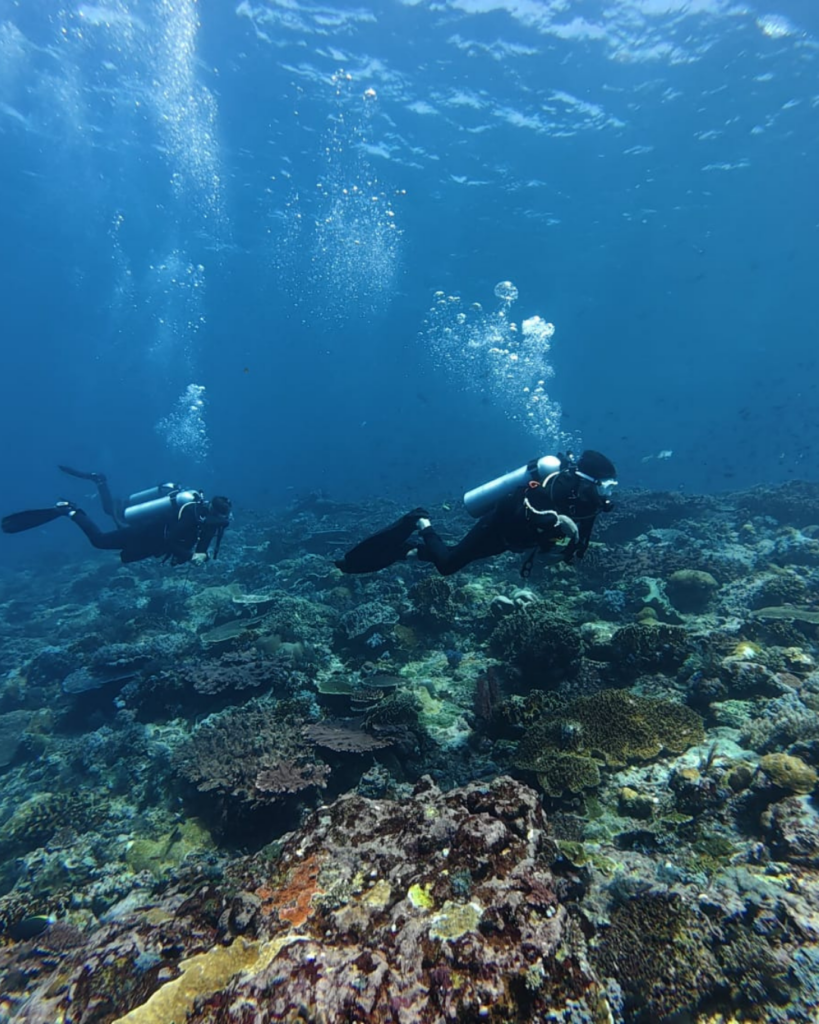
A drift dive simply means the current is carrying you during the dive. Sometimes that movement is so gentle you barely notice it. Other times, the current is stronger and requires more experience, careful planning and close communication with your guide.
Every dive site is different, and currents can change with the tides, the moon phase and local topography.
This is why two dives at exactly the same site can feel completely different, even if they happen only a few hours apart.
Understanding these changes is one of the reasons local knowledge is so valuable.
How Do Dive Guides Plan a Drift Dive?
Long before divers enter the water, a great deal of planning has already taken place.
Your guide will consider the tide, wind direction, swell, current strength and the experience level of the group before deciding whether a drift dive is appropriate.
At Scuba Junkie Liveaboards, divers are grouped according to their experience and comfort level. This allows every group to enjoy the best possible dive while maintaining high safety standards.
Sometimes this means choosing a gentle drift that’s perfect for building confidence. Other times, experienced divers may explore sites where stronger currents create spectacular underwater conditions.
The decision is never based on finding the strongest current.
It’s about finding the right conditions for that particular group.
How to Prepare for Your First Drift Diving Experience
The good news is that you don’t need to be an expert to enjoy drift diving, but a few good habits will make your experience much more comfortable.
The most important skill is buoyancy. A diver who is comfortable maintaining neutral buoyancy will find drift diving far easier than someone relying on constant finning to control their position.
Good communication with your buddy and guide is equally important. Before entering the water, make sure you understand the dive plan, entry technique and how the group will stay together throughout the dive.
Finally, remember to relax.
Many new drift divers instinctively try to swim against the current. In reality, allowing yourself to move naturally with the water is usually the most efficient and enjoyable approach.
Why Is Drift Diving So Famous in Komodo?
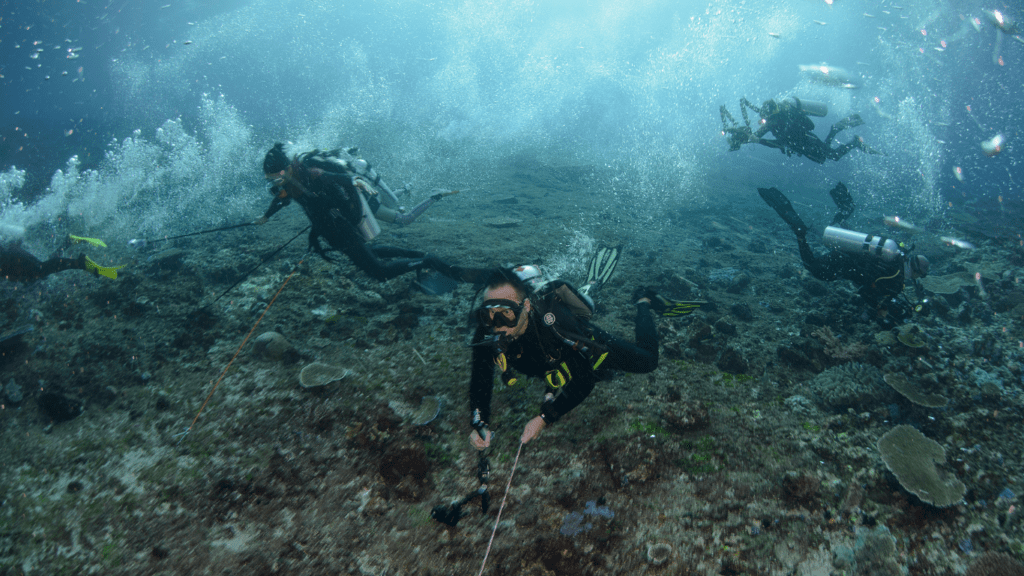
If you’ve researched diving in Indonesia, you’ve probably heard that Komodo National Park is famous for its currents.
There’s a good reason for that.
Komodo sits between the Indian Ocean and the Flores Sea, where enormous volumes of water move through narrow channels as the tides change. This constant movement brings nutrient-rich water into the park, supporting one of the most productive marine ecosystems on the planet.
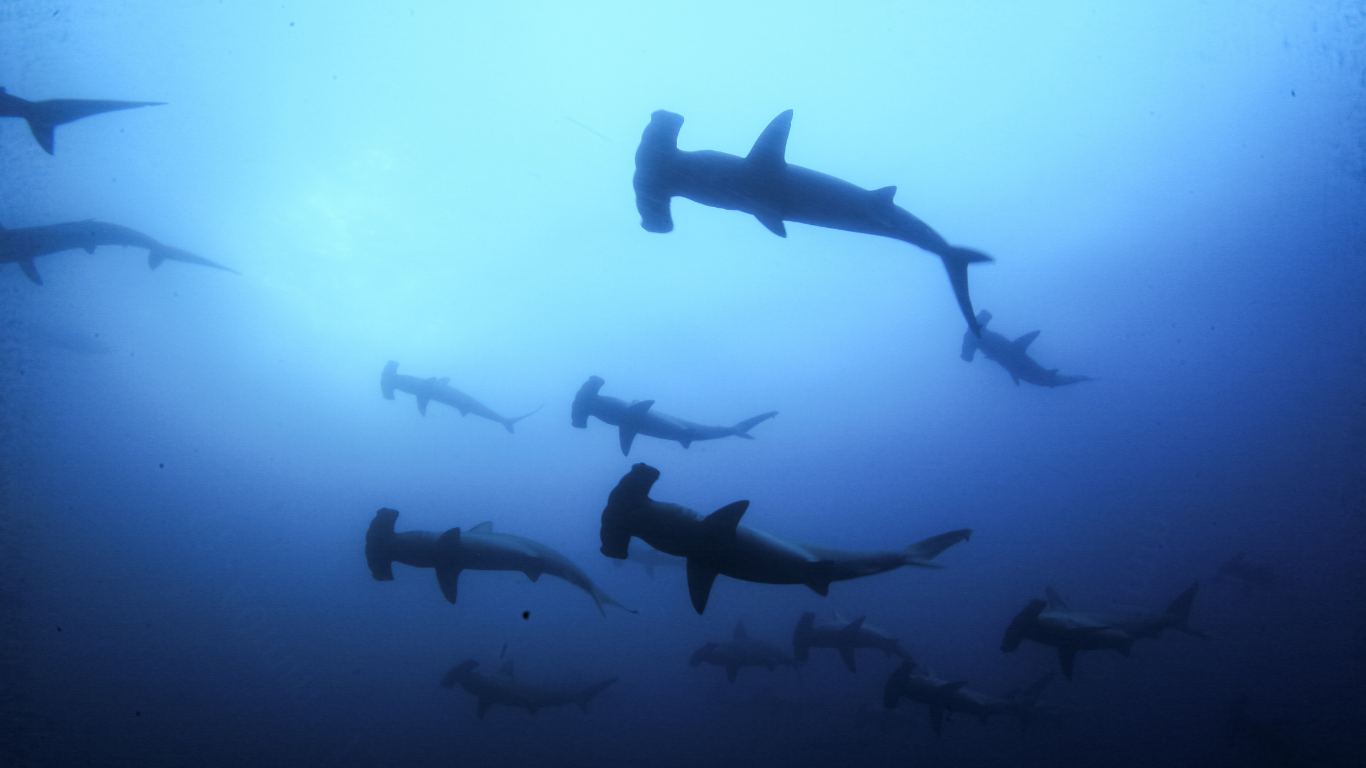
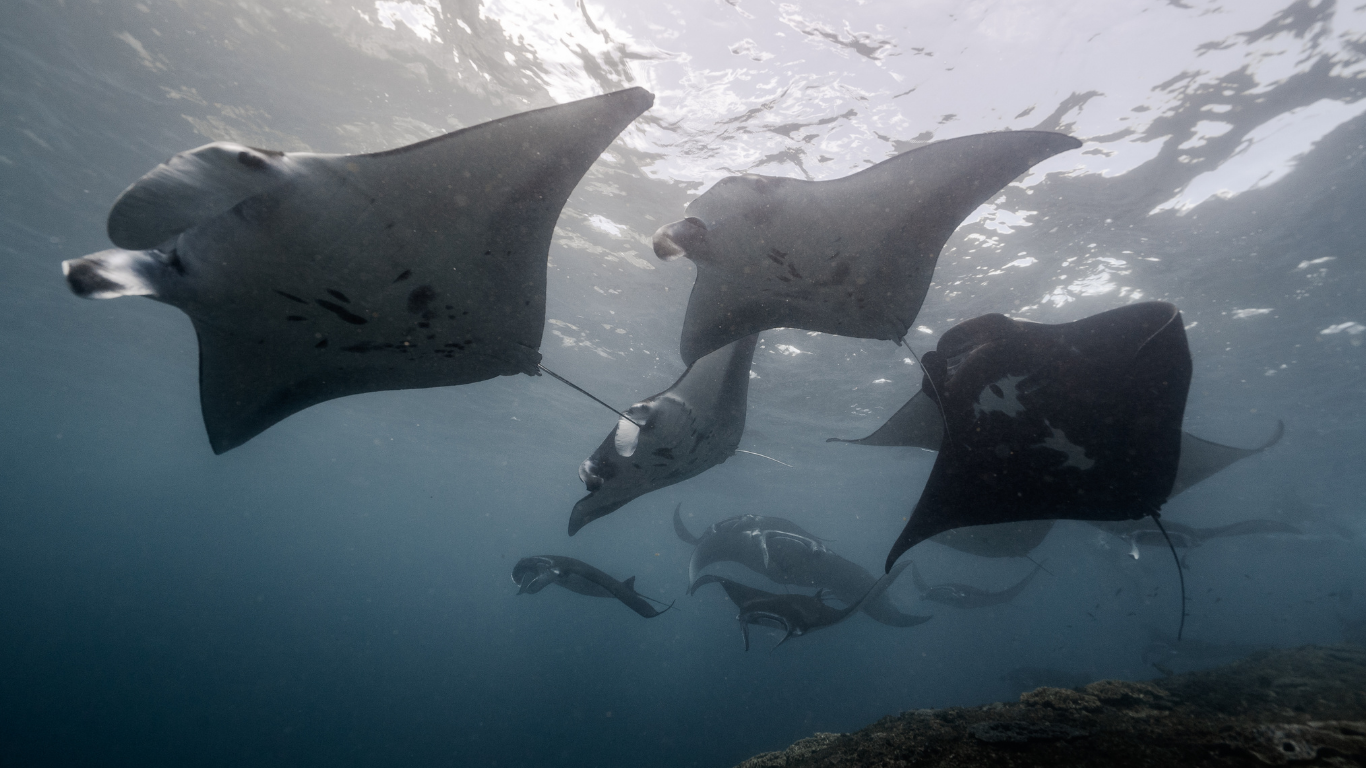
The result is healthy coral reefs, incredible fish biomass and frequent encounters with larger marine life.
Of course, not every dive in Komodo is a drift dive, and not every drift dive involves strong currents. Conditions vary from site to site and throughout the day, which is why experienced guides carefully choose dive sites based on the conditions and the experience of each dive group.
It’s also worth remembering that at Scuba Junkie Liveaboards, divers are never mixed across very different experience levels. Groups are planned according to certification, experience and confidence in the water, allowing everyone to enjoy Komodo in conditions that suit them.
Respect the Ocean, Enjoy the Ride
Perhaps the biggest lesson drift diving teaches us is that not everything underwater needs to be controlled.
Instead of resisting the ocean, we learn to understand it.
We begin to notice the direction of the current, the behaviour of fish and the shape of the reef. We trust our guide, refine our buoyancy and allow the ocean to do much of the work for us.
It’s a different way of diving.
And for many people, after that first drift dive, it’s difficult to imagine diving any other way.
Frequently Asked Questions
What is drift diving?
Drift diving is a type of scuba dive where divers allow the current to carry them naturally across the reef instead of swimming long distances.
Is drift diving safe?
Yes. When properly planned and conducted with experienced guides, drift diving is a safe and enjoyable style of diving.
Do I need to be an advanced diver for drift diving?
Not always. Gentle drift dives are suitable for many certified divers, while stronger currents require more experience. Your dive guide will always select sites appropriate for your group’s experience level.
Why is drift diving so popular in Komodo?
Komodo’s unique geography creates nutrient-rich currents that support extraordinary marine life, making it one of the world’s best destinations for drift diving.
Should I swim against the current?
In most drift dives, no. Divers are encouraged to relax, maintain good buoyancy and move naturally with the current while following the dive plan.
Can beginners enjoy drift diving?
Yes. With the right conditions and experienced guides, many newer divers discover that gentle drift diving is much easier and more enjoyable than they expected.
Continue Reading
Planning your next adventure? You might also enjoy: