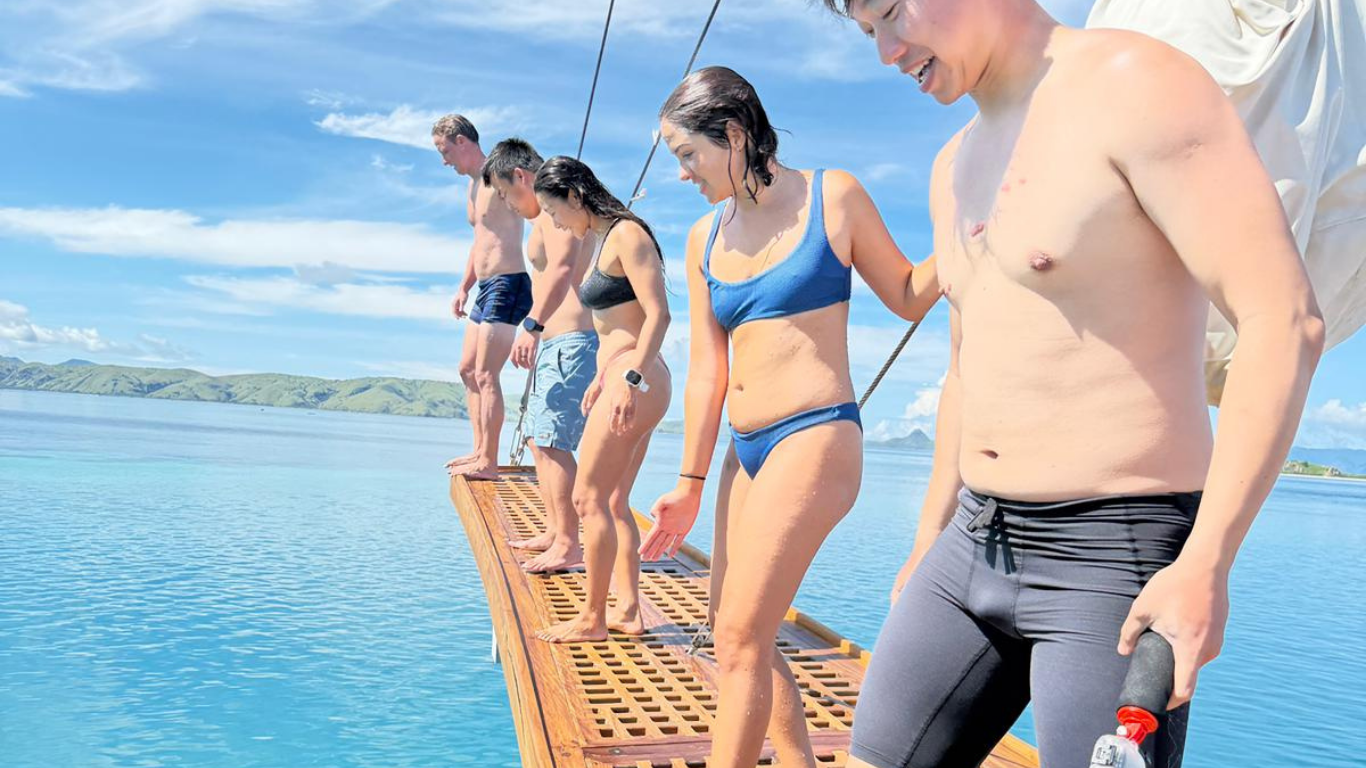
We provide Liveaboard trips in the within Indonesia. With trips to Komodo National Park, Raja Ampat & Banda Sea aboard our beautiful KLM Eliya. Come explore the beauty of some of Indonesia's best dive locations!
Looking for tips and tricks about diving, marine life or what to do in Indonesia? Follow us on our blog for weekly updates from the team!
Raja Ampat to Alor Liveaboard Expedition: Banda Sea Expedition Through Indonesia’s Ring of Fire

Banda Sea l Diving with Scuba Junkie l Uncategorized May 22, 2026
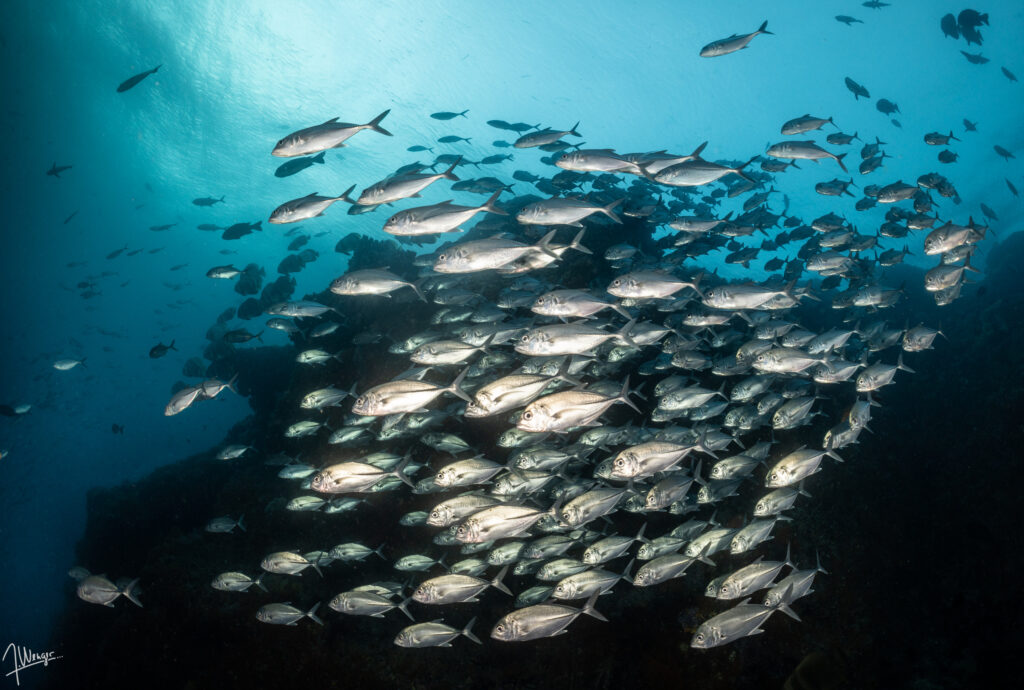
Table of Contents
There are regular dive trips, and then there are true expeditions.
The journey from Raja Ampat to Alor with Scuba Junkie Liveboards KLM Eiya belongs firmly in the second category: an 11-day Banda Sea crossing through some of the most remote, untouched and spectacular waters in Indonesia. Stretching across nearly 1,500 kilometres of archipelago, this voyage connects the legendary reefs of Raja Ampat to the volcanic wilderness of the Banda Sea before ending in the biodiversity-rich waters of Alor.
For divers looking for more than a standard liveaboard itinerary, this is a voyage into the heart of the Ring of Fire, a region shaped by tectonic forces, deep ocean currents and centuries of isolation, and one of the most biodiverse marine environments on Earth.
What to Expect in the Banda Sea Expedition
Sorong and Misool
The expedition departs from Sorong, gateway to Raja Ampat. From there, we will head south toward Misool, the wildest and most visually dramatic region of southern Raja Ampat.
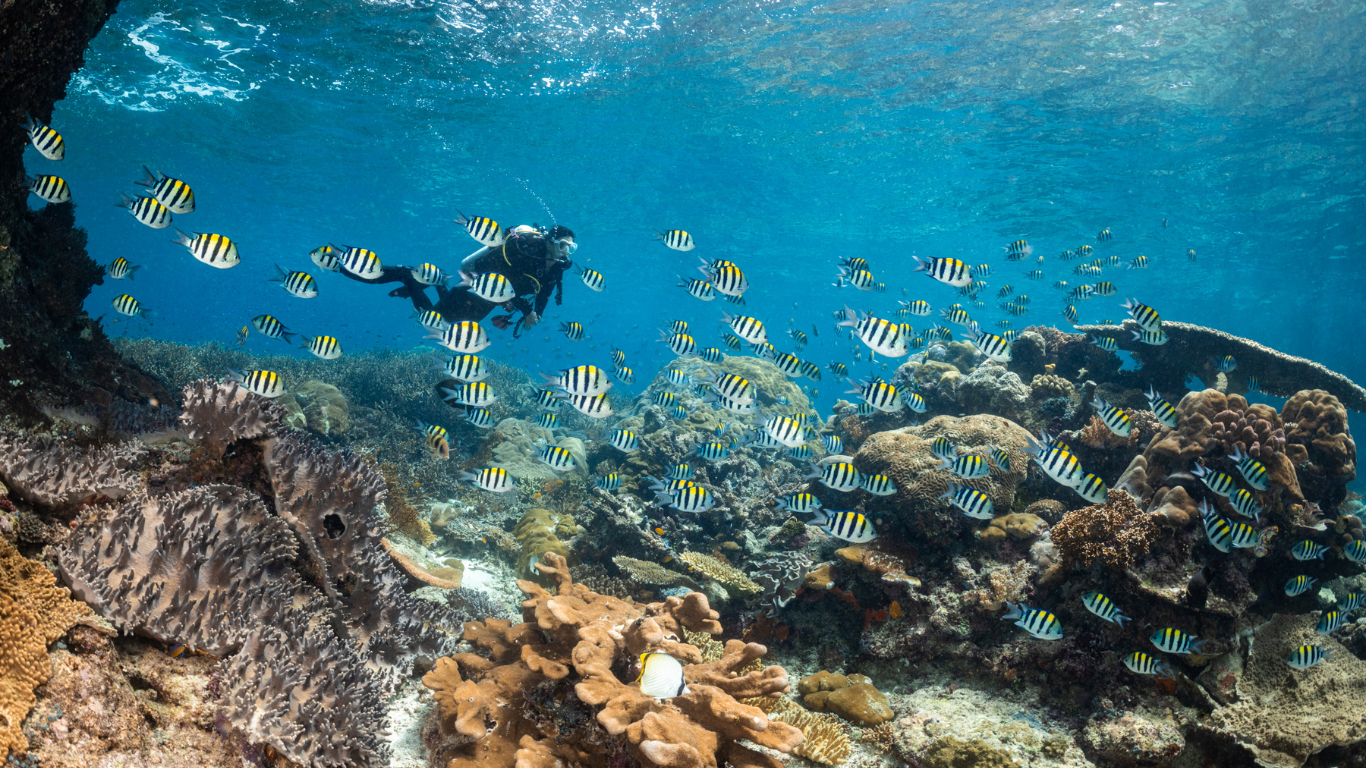
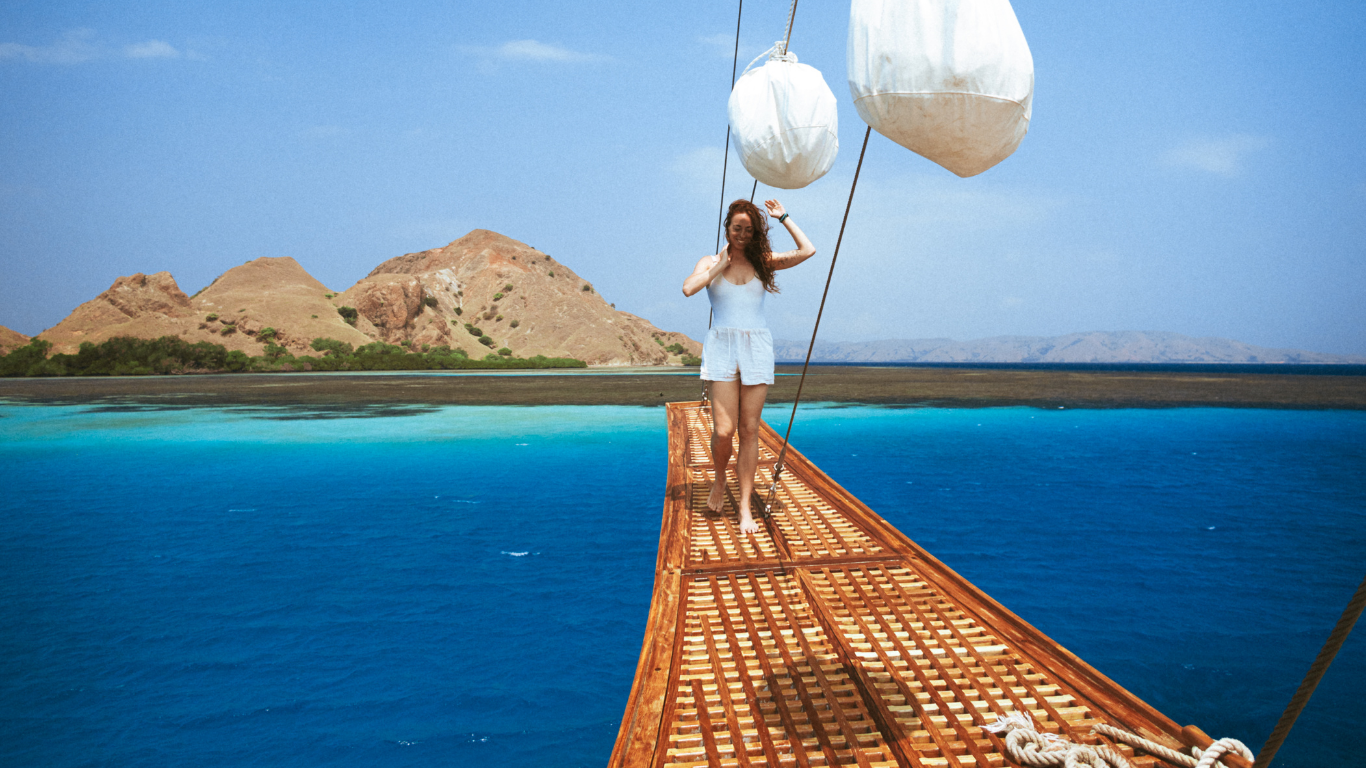
Towering limestone karsts rise above turquoise lagoons. Underwater, the reefs explode with life: dense schools of fusiliers and snappers drifting across coral slopes draped in giant sea fans, barracudas patrolling blue-water drop-offs, manta rays circling cleaning stations. Misool delivers everything Raja Ampat promises, and then some.
But unlike most Raja Ampat liveaboard itineraries, this Banda Sea expedition does not stop there.
Into the Banda Sea
Crossing into the Banda Sea changes the atmosphere entirely. The reefs become more remote. The distances are longer. The ocean is deeper and wilder.
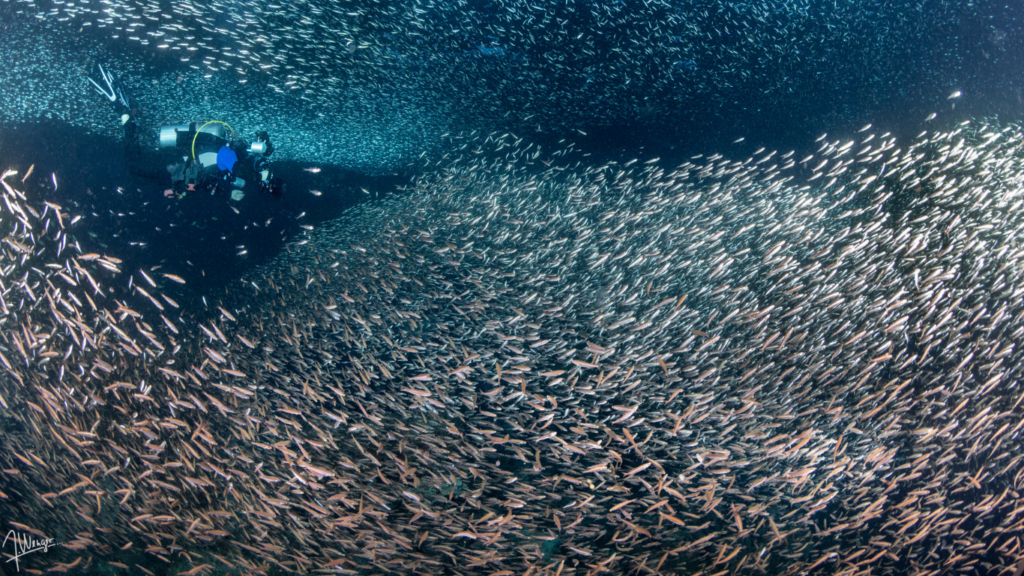
One of the expedition highlights is Pulau Koon, home to a site known simply as “Too Many Fish”. The name barely does it justice. Massive schools of reef fish blanket the reef in astonishing density, while turtles, sharks and pelagic predators move constantly through nutrient-rich currents.
Further south lies Pulau Manuk, an isolated volcanic island rising abruptly from the open Banda Sea. Black volcanic cliffs steam under the tropical sun while thousands of seabirds circle overhead. Below the surface, it offers one of the most unusual diving experiences anywhere in the world.
Manuk is famous for its sea snakes — not the occasional encounter most divers experience elsewhere — but the huge numbers of highly active sea snakes hunting together across the reef slopes, weaving through schools of fish alongside giant trevallies. The kind of dive that stays with you for a long time to come.
The Forgotten Islands
As the voyage pushes deeper into the Banda Sea, the sense of isolation becomes even more striking. Remote volcanic islands such as Teun, Nila, Serua, Romang and Wetar sit far from regular tourism routes, surrounded by deep ocean currents and vast open water.
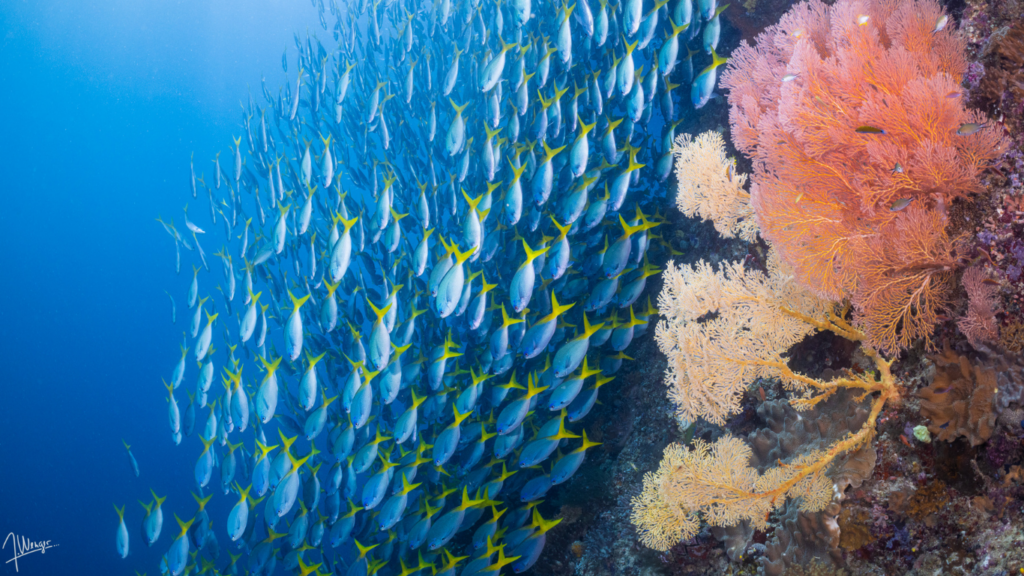
The diving here feels raw and untamed: steep walls disappearing into the blue, offshore pinnacles swept by current, reefs alive with schools of jacks, fusiliers and roaming predators. Between dives, rugged coastlines and dramatic volcanic scenery reinforce what this trip really is — one of Indonesia’s truly wild frontiers.
Alor
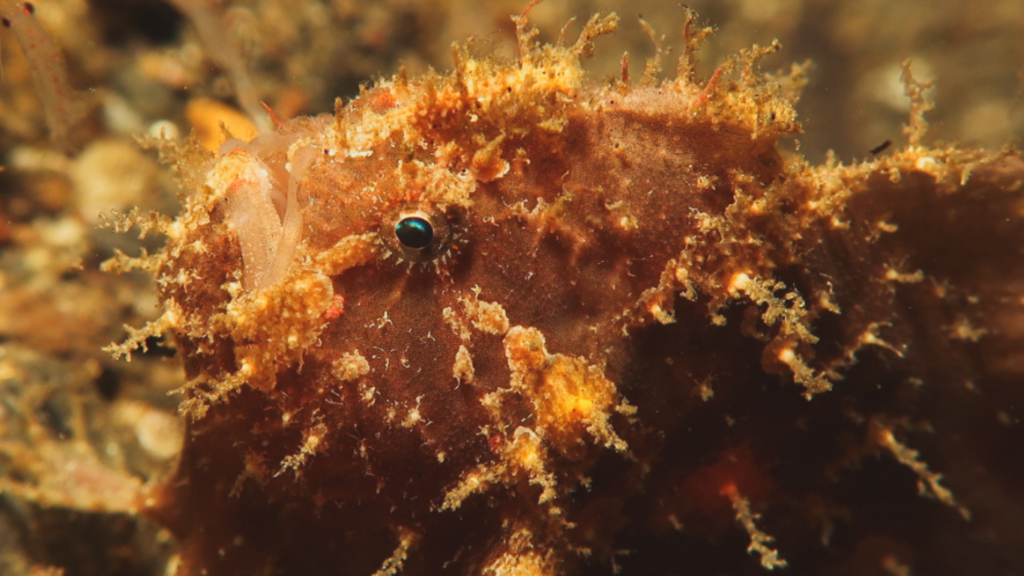
The final chapter unfolds in Alor, widely considered as one of Indonesia’s most underrated diving destinations.
Nutrient-rich currents flowing through the Pantar Strait create ideal conditions for marine biodiversity. Depending on seasonal conditions, mola mola and hammerhead sharks may appear in the blue. And after days of drift dives and volcanic reef systems, the expedition slows down with an evening muck dive in Kalabahi Bay, where frogfish, nudibranchs, crustaceans and other macro creatures hide in dark volcanic sand.
A fitting finale to a journey defined by variety.
Who Is This Trip For?
This is not a trip for everyone, and that is entirely the point.
The Raja Ampat to Alor crossing is designed for experienced divers comfortable to dive in currents as currents dictate the dives in this expedition. Every island feels isolated from the modern world.
Recommended experience level: intermediate to advanced divers. Drift diving experience is strongly advised.
Best Time to Join the Banda Sea Expedition
The crossing is typically operated during the transitional seasons, March to May and September to November, when prevailing winds shift and sea conditions allow for safe passage through the open Banda Sea. These windows also coincide with optimal conditions in both Raja Ampat and the Banda Sea, where thermoclines bring cooler, nutrient-rich water and increase the chances of pelagic encounters.
Life Aboard Our KLM Eliya Phinisi
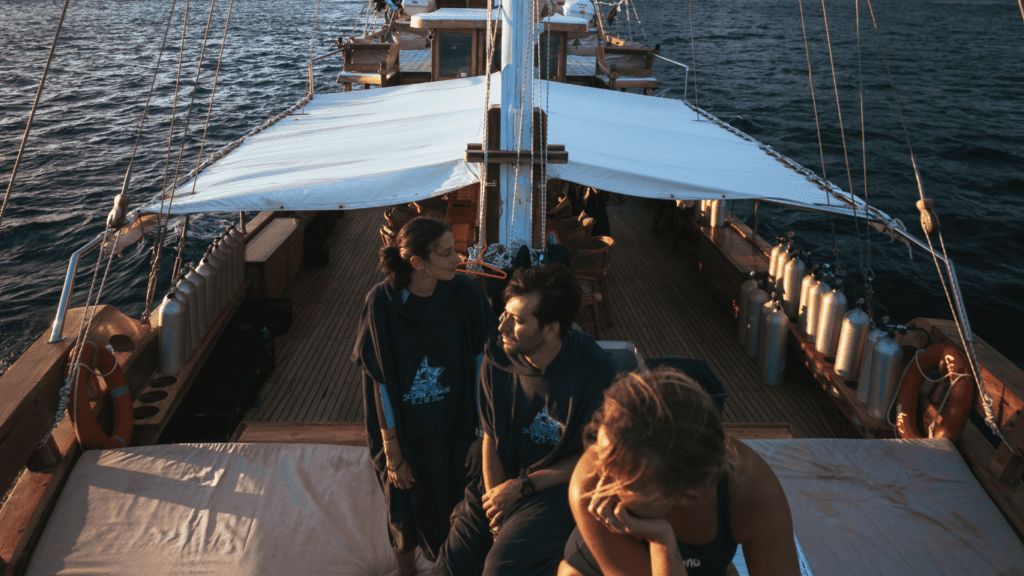
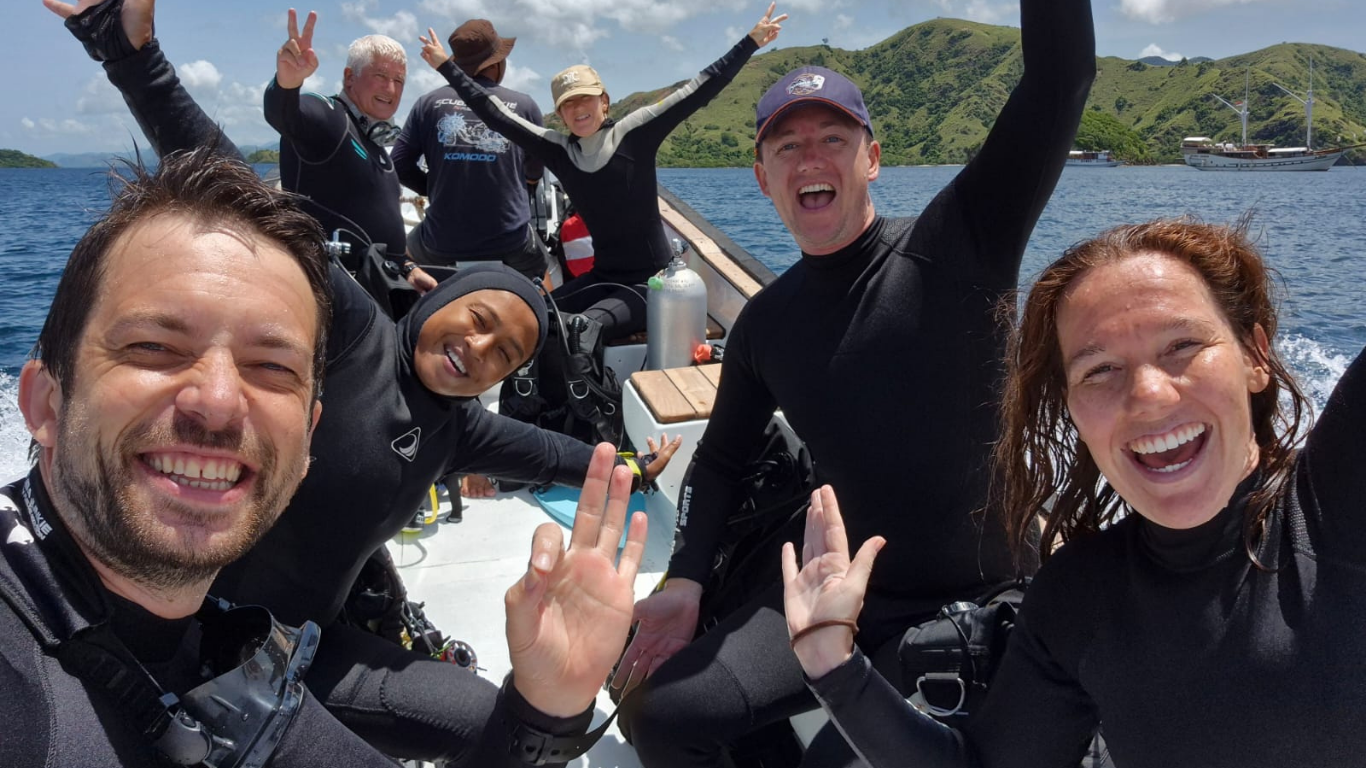
Over 11 days, life onboard our KLM Eliya settles into the rhythm of the sea: sunrise briefings, long crossings under starlit skies, remote anchorages and conversations shared on deck after unforgettable dives.
The dive guides aboard KLM Eliya know these waters intimately. Their knowledge of currents, seasonal behaviour and site-specific marine life is what turns a good dive into an exceptional one. In waters this remote, that expertise matters and it is those expertise that will give you the best expedition experience all while looking after the environment.
More than a dive trip, this voyage moves through multiple ecosystems, geological worlds and cultural regions, from Raja Ampat’s limestone lagoons to the active volcanoes of the Banda Sea and the remote communities of Alor. It feels closer to an old-style ocean expedition than a conventional dive cruise.
An Exceptional Banda Sea Expedition That Fills Fast
This is the kind of journey divers talk about for years. Spots go quickly, and for good reason. So, time to join the Scuba Junkie Liveaboards family and come share our passion for the ocean!
Check availability or contact the team now to book your next diving adventure.
FAQ
How long is the Raja Ampat to Alor Banda Sea Liveaboard Expedition?
KLM Eliya’s Sorong to Alor expedition runs over 11 days, covering approximately 1,500 kilometres of Indonesian archipelago across Raja Ampat, the Banda Sea and Alor.
What experience level is required?
Intermediate to advanced divers. You will encounter strong currents, open-ocean crossings and multi-day sea passages. Drift diving experience is strongly advised. This trip is not suitable for beginners.
What is the best time to do this crossing?
March to May and September to November are the recommended windows, when seasonal conditions allow safe passage through the Banda Sea and maximise opportunities for pelagic encounters.
What marine life can I expect?
Manta rays, reef sharks, sea snakes, giant trevallies, massive schools of jacks and fusiliers, turtles, frogfish and nudibranchs throughout the route. Depending on timing, mola mola and hammerhead sharks are possible in Alor. The species variety across 1,500 kilometres is extraordinary.
How do I get to Sorong?
Sorong is served by domestic flights from Jakarta, Bali, Makassar and Manado. Most guests fly via Jakarta or Bali. Plan for at least one overnight in Sorong before embarkation.