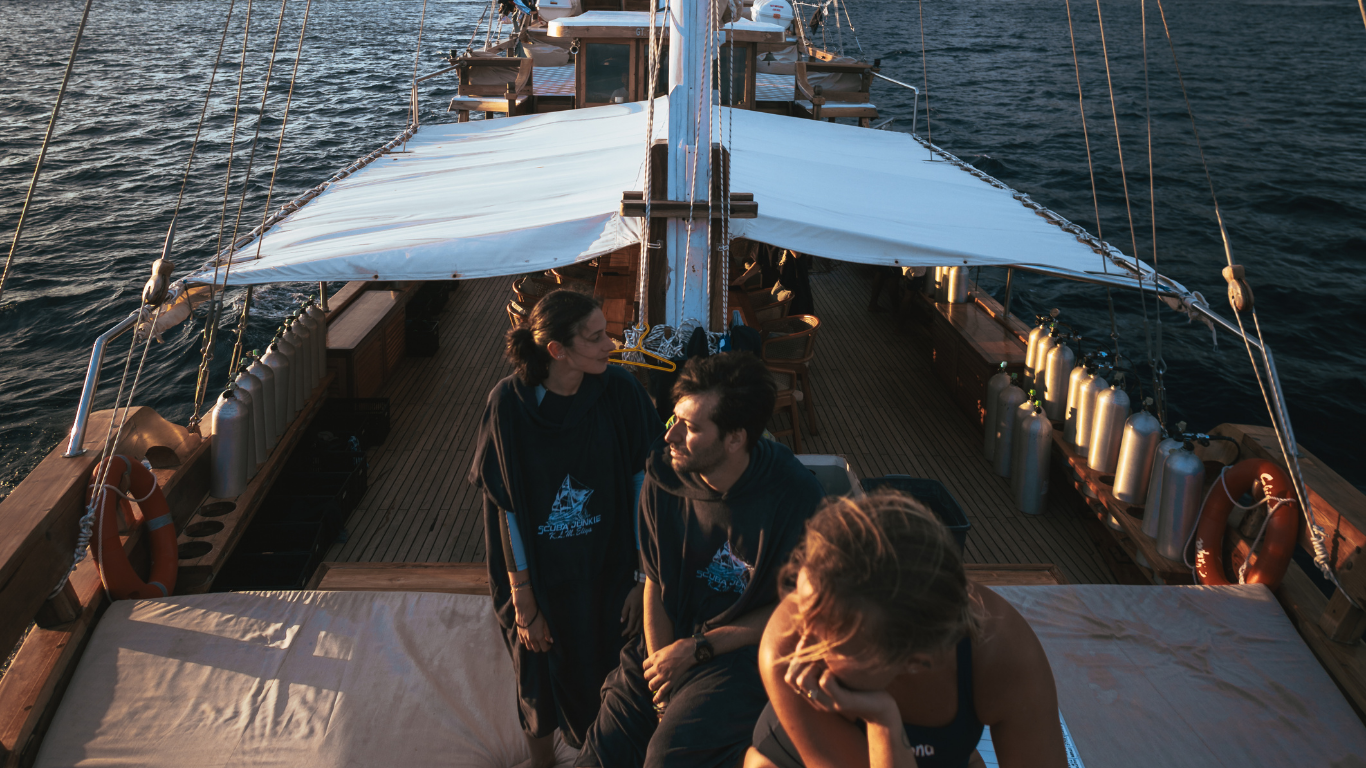
We provide Liveaboard trips in the within Indonesia. With trips to Komodo National Park, Raja Ampat & Banda Sea aboard our beautiful KLM Eliya. Come explore the beauty of some of Indonesia's best dive locations!
Looking for tips and tricks about diving, marine life or what to do in Indonesia? Follow us on our blog for weekly updates from the team!
9 Reasons Raja Ampat Marine Life Will Leave You Breathless

Uncategorized August 7, 2025
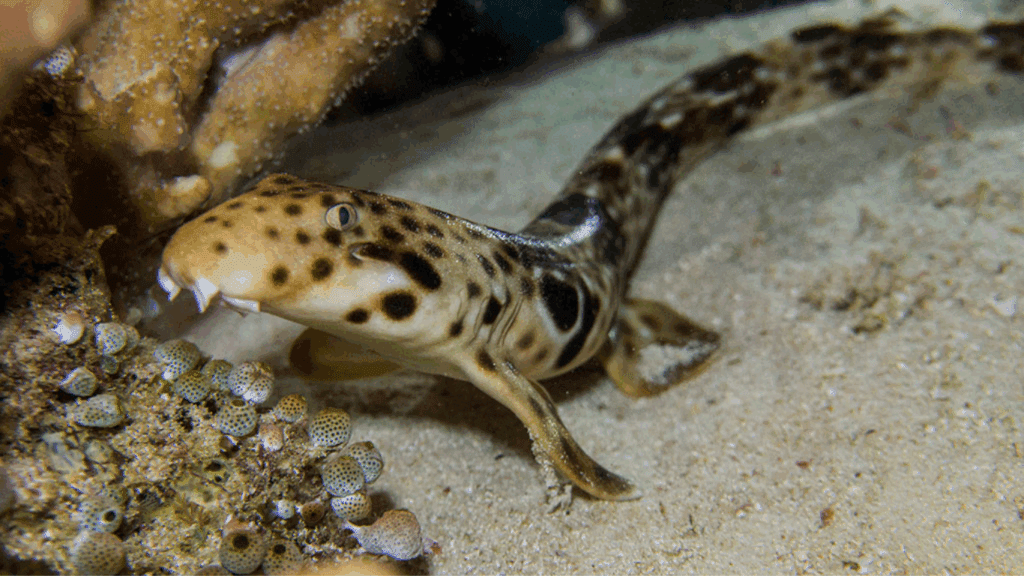
Table of Contents
A World So Alive, It Feels Like a Dream
What to expect from Raja Ampat Marine Life.
There are places that feel so untouched, so wild and vibrant, that stepping into them feels like crossing into another world. Raja Ampat is one of them.
Imagine drifting through crystal-clear waters where every glance reveals another marvel: a manta gliding silently above, a sea fan swaying with pygmy seahorses, a flash of reef sharks patrolling the edge of a drop-off. It’s not a dream — it’s Raja Ampat marine life, Indonesia’s crown jewel of marine biodiversity.
And aboard KLM Eliya, you don’t just visit this paradise — you live in it.
Where Is Raja Ampat—and Why It’s So Special
Located off the northwest tip of New Guinea in Southwest Papua, Indonesia, Raja Ampat (meaning “Four Kings”) is a remote archipelago of over 1,500 small islands, cays, and shoals. Despite its remoteness, it has become one of the world’s most sought-after destinations for divers and marine scientists alike.
What makes it so special? Its location at the heart of the Coral Triangle, the epicenter of global marine biodiversity. Raja Ampat is a hotspot where the Pacific and Indian Oceans meet — a confluence that feeds its reefs with rich nutrients and supports astonishing life.
According to Conservation International, Raja Ampat holds the world record for the highest number of fish species seen in a single dive — 374. More than 600 species of coral (75% of the world’s known species) thrive here. There’s simply no other place on Earth like it.
The People Behind the Reefs
Raja Ampat is not just a marine park — it’s home to resilient, warm communities who have lived in harmony with the sea for generations. Papuan villages like Arborek, Sawandarek, and Yenbuba welcome visitors with smiles, traditional dances, and simple stilt houses built over water.
Fishing and sago harvesting remain vital here, but thanks to marine protection efforts, many locals have shifted to sustainable tourism roles — dive guides, boat crew, conservation rangers. These are the stewards of the sea, sharing their home with divers while protecting Raja Ampat marine life.
1. Majestic Manta Encounters
Raja Ampat is home to both reef mantas (Mobula alfredi) and oceanic mantas (Mobula birostris). At famed cleaning stations like Manta Sandy or Manta Ridge, you can hover weightless as these giants—some with wingspans over 5 meters—circle gracefully just meters above.
These encounters are not only visually breathtaking; they’re crucial to science. Raja’s mantas are part of ongoing conservation tagging projects. You may even spot a tagged individual mid-dive!
2. Shark Conservation Success
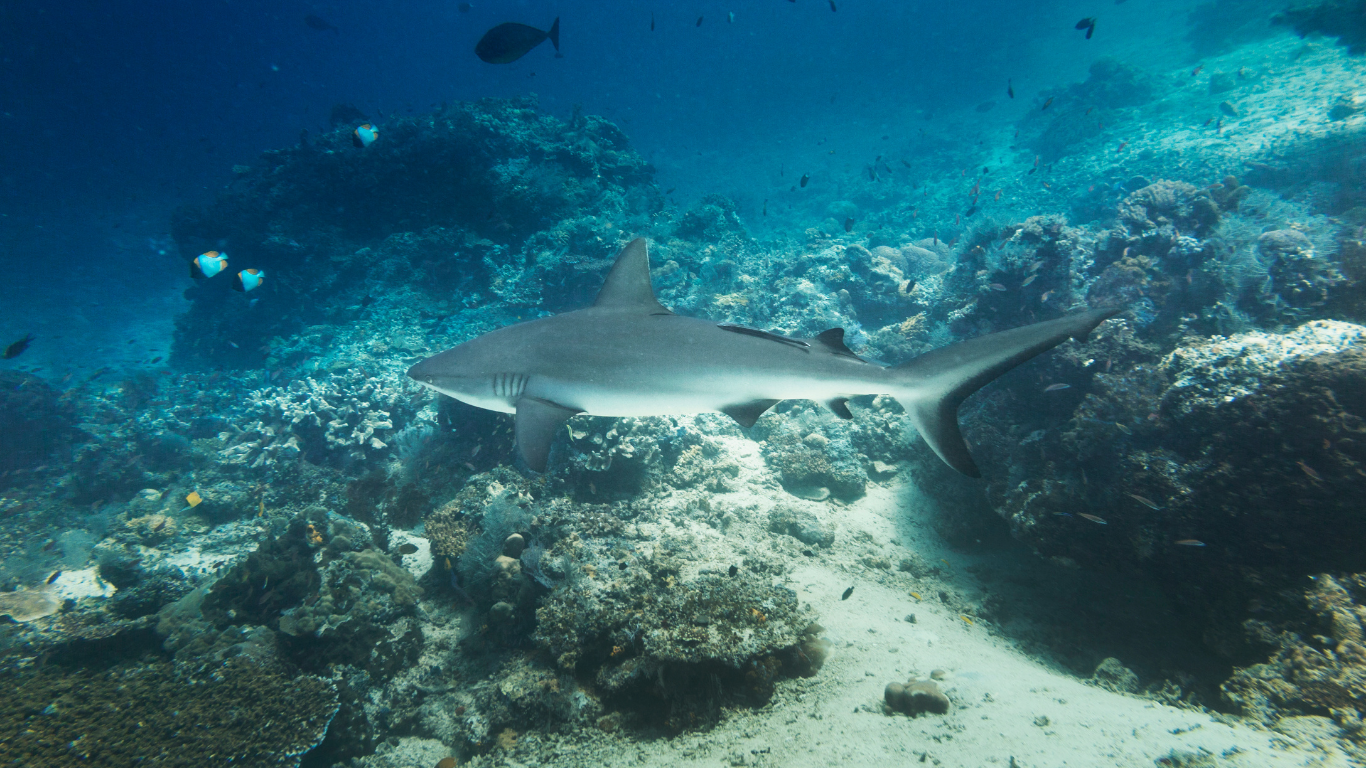
Once overfished, Raja Ampat has become a sanctuary for sharks. Blacktip, whitetip, and grey reef sharks are common on dives, with rarer sightings of wobbegongs (the quirky carpet shark) and even walking sharks, found nowhere else on Earth.
Since 2012, the entire area has been declared a shark sanctuary, making Raja a powerful example of how marine protection works.
3. Coral Gardens Beyond Imagination
At sites like Cape Kri and Melissa’s Garden, divers are treated to mind-blowing coral formations — hard and soft corals in colors that seem Photoshopped, from bright purple to fluorescent greens.
Unlike in many places around the world, coral bleaching events here have been minimal. Why? Thanks to strong currents, deep-water upwellings, and strict conservation laws, Raja Ampat’s reefs remain resilient and full of life.
4. Pygmy Seahorses & Macro Magic
Yes, the big fish are stunning — but Raja also rewards the patient. Look closely and you’ll spot pygmy seahorses clinging to sea fans, blue-ringed octopus, nudibranchs of all colors, and mantis shrimp with punch-fast reflexes.
This blend of mega and micro is what makes diving in Raja feel like flipping between a National Geographic documentary and a BBC close-up.
5. Massive Schooling Fish
Few things give a diver goosebumps like being surrounded by a swirling school of barracudas, jacks, or batfish. At My Reef or Sardine Reef, you may find yourself lost in a tornado of silver scales, sunlight flickering through from above.
6. Marine Mammals & Surprise Visitors
While not guaranteed, dolphins, pilot whales, and even dugongs have been spotted in Raja’s open waters. You never know what you’ll see next — and that’s part of the thrill.
7. Night Diving with Bioluminescence
On night dives, something magical happens: the reefs glow. Not from your torch, but from nature itself. Bioluminescent plankton sparkle with each movement, creating an underwater galaxy you’ll never forget.
8. Eco-Protection That Works
Raja Ampat is a model for marine conservation. Its marine park is divided into zones: no-take zones, sustainable fishing areas, and tourism zones. Entrance fees directly fund reef patrols, village development, and education.
This is diving with a purpose — knowing your trip supports a living, breathing marine sanctuary.
9. And the Best Way to Explore It All? Aboard KLM Eliya
There’s only one way to fully absorb the magic of Raja Ampat marine life — and that’s on a liveaboard. KLM Eliya isn’t just a boat; it’s a floating boutique hotel steeped in tradition and comfort.
Lovingly handcrafted in the Phinisi style and equipped for divers of all levels, KLM Eliya offers:
- Spacious ensuite cabins with sea views
- A dive deck designed by divers, for divers
- Nitrox availability for longer, safer dives
- Hand-prepared meals and alfresco dining
- Intimate group sizes and expert local dive guides
Most importantly, she takes you where few others go — weaving through central and southern Raja, reaching pristine reefs and secluded coves.
The Trip of a Lifetime
Raja Ampat marine life is not just beautiful — it’s sacred. It’s living proof of what our oceans can be when they are loved and protected. When you dive here, you don’t just witness a paradise — you become part of the story.
And there’s no better way to experience it than aboard KLM Eliya, where every sunrise, every dive, every encounter leaves you just a little more breathless.
💬 Have you ever dreamed of diving in Raja Ampat? Tell us what marine life you’d love to see first in the comments!