We provide Liveaboard trips in the within Indonesia. With trips to Komodo National Park, Raja Ampat & Banda Sea aboard our beautiful KLM Eliya. Come explore the beauty of some of Indonesia's best dive locations!
Looking for tips and tricks about diving, marine life or what to do in Indonesia? Follow us on our blog for weekly updates from the team!
Komodo National Park Visitor Quota: Is Limiting Tourism the Best Way to Protect the Park?

Uncategorized March 5, 2026
Table of Contents
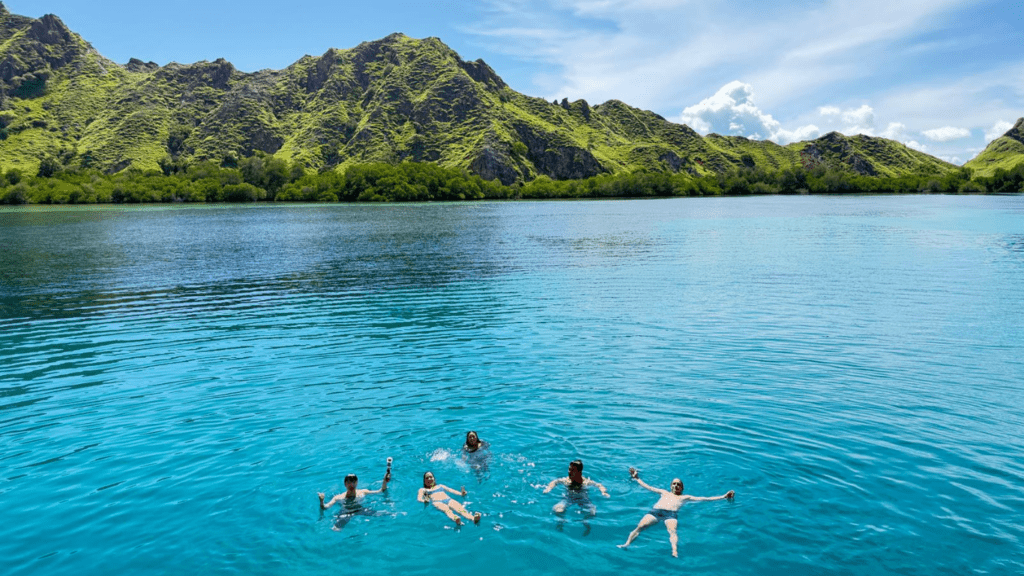
Komodo National Park visitor quota regulations will soon change how travelers visit one of the most extraordinary marine parks in the world. Starting in April 2026, the Indonesian government will introduce a new quota system limiting how many visitors can enter the park each day.
The goal behind this new regulation is clear: protect Komodo’s fragile ecosystem while maintaining sustainable tourism.
But the decision also raises an interesting question for divers, travelers, and conservationists:
Is limiting the number of visitors (carrying capacity) the best way to protect Komodo National Park?
Or could tourism itself play a bigger role in supporting conservation?
To understand the debate, it helps to look at what the new Komodo National Park visitor quota actually means.
What Is the Komodo National Park Visitor Quota?
The new Komodo National Park visitor quota will limit the number of people entering the park to 365,000 per year — or split daily — 1,000 visitors per day.
Currently, the average daily visitors is at 1,600, which meant that certain popular areas sometimes experienced significant visitor pressure. However, this 1,600 is not made up of a homogeneous group. These visitors are segmented into a few segments: cruise ship day visitors, independent land tourists, day trip divers, and liveaboard guests.
By reducing the daily limit, park authorities hope to better manage tourism and protect the natural environment that makes Komodo so unique.
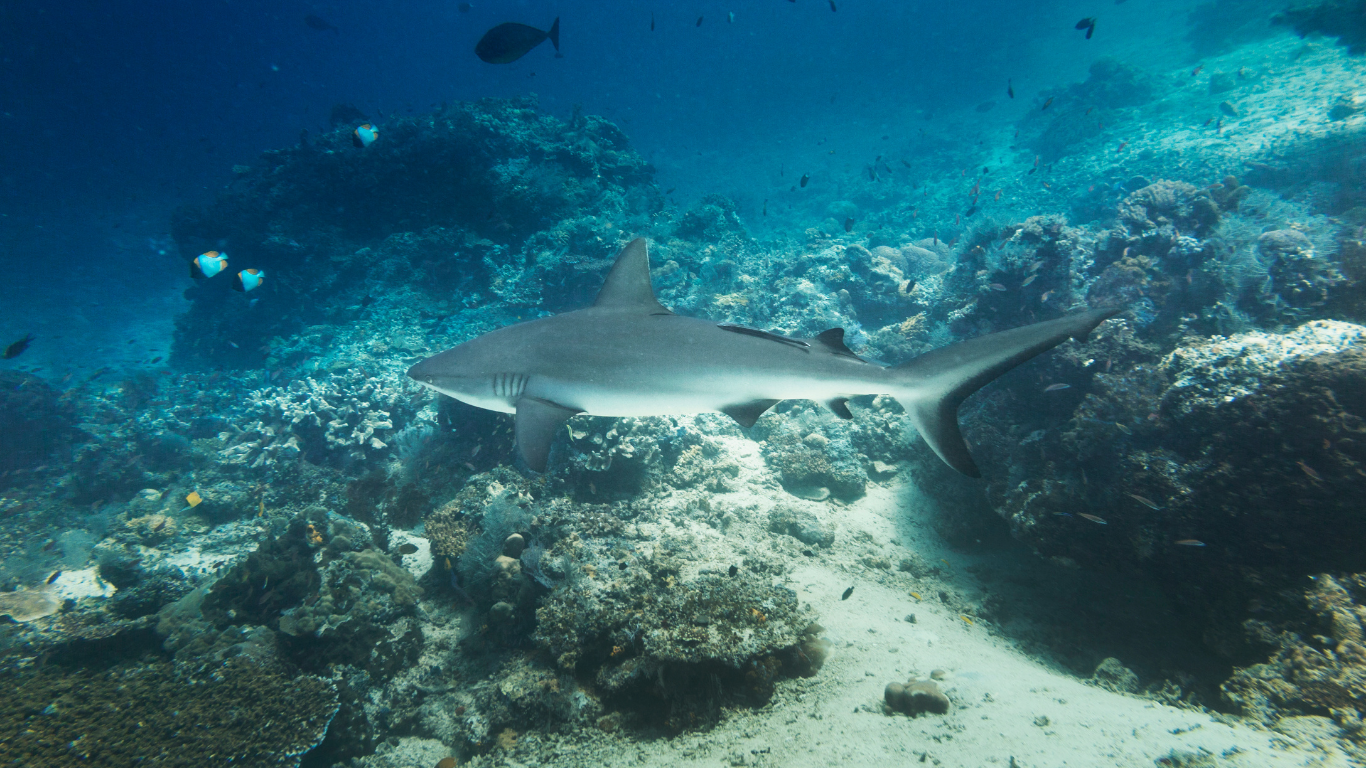
Komodo National Park is globally famous for its extraordinary biodiversity. Located in the heart of the Coral Triangle, it is home to vibrant coral reefs, manta rays, sharks, turtles, and thousands of reef species.
It is also the only place on Earth where visitors can see the legendary Komodo dragons in their natural habitat.
Because of this incredible biodiversity, the park has been recognized as a UNESCO World Heritage Site by the UNESCO.
What Do the Park Permits Cover?
The permits required under the Komodo National Park visitor quota apply to all visitors entering the park, not only divers.
This means the permit includes:
• Diving activities within the marine park
• Snorkeling and boat visits
• Land excursions to islands such as Komodo, Padar and Rinca
• Wildlife viewing, including Komodo dragon treks
For a typical 6-day diving liveaboard itinerary, the park permit costs approximately:
IDR 1,650,000 per person
(IDR 275,000 per day)
These permits help fund conservation programs, ranger patrols, park management, and environmental protection.
If visitors plan to fly a drone while exploring the park, an additional permit is required.
The current drone permit fee is approximately:
IDR 2,000,000 per drone per day
Because permits are issued for specific travel dates under the Komodo National Park visitor quota, they now need to be arranged well in advance.
Why Limiting Visitors Might Help Protect Komodo
Supporters of the Komodo National Park visitor quota believe limiting visitor numbers is an important step toward protecting the park’s ecosystems.
Marine environments can be extremely sensitive to human activity. Large numbers of visitors can increase pressure on coral reefs, wildlife habitats, and popular dive sites.
By reducing the number of visitors entering the park each day, authorities hope to:
• Reduce overcrowding at popular locations
• Minimize environmental impact
• Improve visitor safety
• Maintain the quality of the experience for travelers
Many protected natural destinations around the world have introduced similar systems to protect fragile ecosystems.
Visitor Limits Are Not New in the Diving World
The Komodo National Park visitor quota may feel like a big change, but similar systems already exist in other famous dive destinations.
One example is the Galápagos Islands, where strict regulations control how many visitors can enter protected areas.
Closer to home for us, Sipadan Island in Malaysia operates under a permit system that limits how many divers can visit the island each day. Sipadan is also home to another Scuba Junkie location, and the permit system has helped protect its reefs and marine life for many years.
These examples show that visitor limits can be an effective tool when it comes to protecting world-class dive destinations.
The “Water-Up” Alternative: Is a Quota Necessary?
While government quotas are a “top-down” approach, the local diving industry, spearheaded by the Dive Operators Collaboration Komodo (D.O.C.K.) and Gahawisri, has been developing its own “water-up” solutions. A prime example is the existing government-approved framework — the 20-minute rule.
To prevent congestion at popular sites like Batu Bolong, Crystal Rock, and Castle Rock, local operators have begun self-regulating by limiting group time at a site to 20-minute intervals. By coordinating boat movements and diver flow, the industry is proving it can manage “carrying capacity” on its own.
Furthermore, many operators in the region have adopted the Green Fins Code of Conduct, including Scuba Junkie. By following these global environmental guidelines, the industry has shown that it can significantly reduce its environmental footprint. It suggests a powerful alternative: perhaps the focus shouldn’t just be on how many people visit, but on how they behave. Stricter underwater conduct and better diver education can protect the reef just as effectively as a quota.
This raises a key debate: If the industry can effectively self-manage through smarter site coordination, is a strict government-mandated cap on visitors truly necessary, or does it risk unnecessarily limiting access to the park?
The Other Side of the Conversation
While many conservationists support the Komodo National Park visitor quota, the topic still raises an interesting discussion.
Tourism is often the biggest driver for conservation.
Dive tourism generates important funding for local communities, marine protection programs, and environmental research. Visitors who experience places like Komodo often become passionate advocates for protecting the ocean.
This raises an important question:
If fewer people are able to visit, could that also reduce awareness and funding for conservation?
There no simple answer. Protecting precious ecosystems while allowing people to experience them is always a delicate balance.
What matters most is ensuring tourism remains sustainable, and supportive of conservation while protecting the livelihoods of local communities who depend on a healthy environment.
Planning a Trip Under the Komodo National Park Visitor Quota
With the Komodo National Park visitor quota taking a more concrete effect in April 2026, planning ahead will become more important for visitors.
Because permits are limited and issued for specific dates, securing them early will help ensure your itinerary runs smoothly.
If you are planning a trip with Scuba Junkie Liveaboards or staying at Scuba Junkie Komodo Beach Resort, our booking team can help arrange the required permits and guide you through the process.
Our goal is to make the experience as seamless as possible so you can focus on enjoying your time exploring Komodo’s incredible underwater world.
What Do You Think?
The Komodo National Park visitor quota reflects a growing global conversation about how we protect the natural places we love to explore.
Limiting visitor numbers may help reduce environmental pressure. But tourism can also support conservation, education, and local livelihoods.
So the question remains:
Is restricting access the best way to protect Komodo National Park?
Or should the focus be more on sustainable tourism and environmental education?
We would love to hear your thoughts.
Have you ever dived in Komodo?
Do you think visitor limits help protect marine ecosystems?
Share your perspective in the comments.