We provide Liveaboard trips in the within Indonesia. With trips to Komodo National Park, Raja Ampat & Banda Sea aboard our beautiful KLM Eliya. Come explore the beauty of some of Indonesia's best dive locations!
Looking for tips and tricks about diving, marine life or what to do in Indonesia? Follow us on our blog for weekly updates from the team!
Komodo Coral Health 2025: 7 Clear Signs the Reefs Are Thriving—And What Still Needs Care

Uncategorized November 8, 2025

Table of Contents
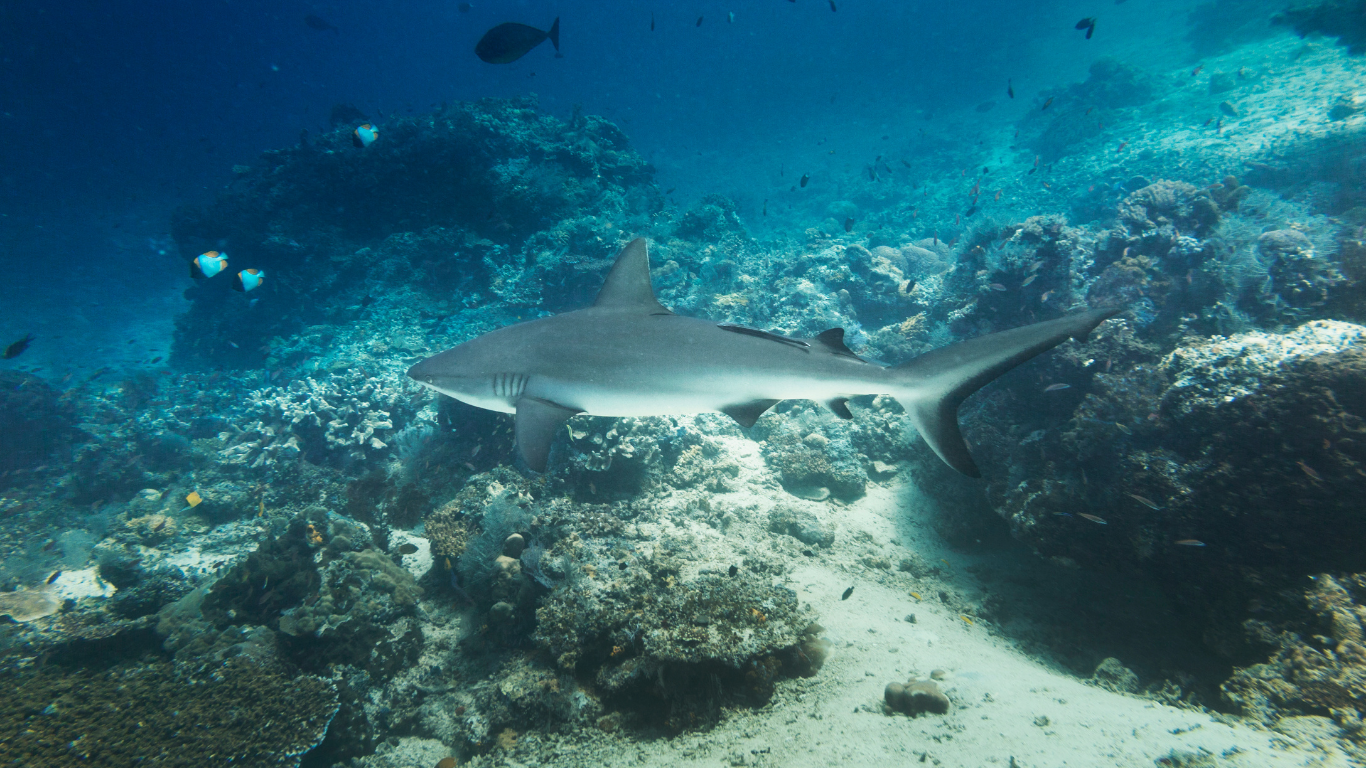
Komodo coral health is the quiet magic beneath every manta pass and shark patrol. Yes, big encounters steal the show—but none of it happens without living reef. Coral is the stage that holds the story together: the color, the food, the shelter. In Komodo, that stage is still vibrant in many areas, and with smart choices from managers, locals, and visitors, it can stay that way.
What Are Corals—and Why They Matter (for Komodo coral health)
Corals are colonies of tiny animals (polyps) that build limestone skeletons, creating cities for ocean life. Healthy reefs feed fisheries, protect coasts, power tourism, and anchor biodiversity across the Coral Triangle—the world’s richest marine region that includes Indonesia, where Komodo sits. UNESCO’s site profile highlights how Komodo’s reefs are “diverse and luxuriant,” shaped by clear waters and rapid exchange of nutrient-rich currents between ocean basins, a big part of today’s Komodo coral health story. UNESCO World heritage
Why Komodo’s Location Supercharges Komodo coral health
Komodo lies between the Pacific and Indian Oceans. The Indonesian Throughflow funnels water through deep basins and narrow straits; seasonal upwelling boosts nutrients, naturally supporting robust reef life and plankton blooms. This dynamic oceanography—north–south monsoon shifts, tidal mixing—creates conditions that benefit reef growth and productivity and help sustain megafauna too.
How Healthy Are the Reefs? A Balanced Look at Komodo coral health
Overall, Komodo coral health remains good in many zones of the park. Historical monitoring inside KNP showed reef recovery after destructive fishing was curbed, with live coral cover increasing inside the park in the late 1990s–early 2000s—an early sign that protection works. ResearchGate At a broader scale, IUCN notes the site’s outstanding marine biodiversity while also flagging future climate-related risks—so “healthy” here means “strong but not invulnerable.”
The Big Global Context: Bleaching & Climate—still relevant to Komodo coral health
Globally, NOAA confirmed the fourth mass coral bleaching event on record in 2023–2024, with heat stress affecting reefs worldwide (including parts of Indonesia). News coverage from mid-2024 also documented severe bleaching in Bali. These reports don’t mean Komodo’s reefs are failing; they remind us that climate stress is widespread and periodic events can touch many Indonesian regions. Keeping Komodo coral health resilient means staying vigilant through anomalously warm seasons.
What’s Helping on the Ground (and Water): Management & community support
Komodo National Park uses zoning (core, marine protection, and use zones) to balance conservation and traditional livelihoods. Responsible-use guidance and rules for marine tourism are part of everyday practice. Park literature outlines no-take areas and limits on extractive activities, which underpin Komodo coral health today.
Marine tourism management has also stepped up: after years of rapid growth, KNP introduced limits at sensitive manta/reef sites (e.g., September 2019 restrictions on boat and diver numbers at Karang Makassar), improving in-water etiquette and reducing crowd pressure—good for manta behavior and the nearby reef matrix.
And there’s hopeful national momentum: in 2024 the U.S.–Indonesia debt-for-nature swap dedicated funding to coral conservation in the Lesser Sunda–Banda Seascape (Komodo’s wider region), a positive signal for long-term Komodo coral health and restoration readiness.
Scuba Junkie Liveaboards contributes environmental and wildlife sightings to Indonesian researchers; long-term manta work in Komodo has relied heavily on dive-community citizen science—evidence that tourism can strengthen monitoring when done right.
What Still Threatens Komodo coral health
Even with strong fundamentals, reefs are sensitive. Key risks include:
- Marine heatwaves & bleaching during strong El Niño years.
- Local stressors (anchor damage, diver contact, sediment, pollution) if guidelines aren’t followed.
- Illegal/destructive fishing outside strict zones (historically a problem, much reduced by enforcement).
We’re careful to keep this in perspective: these are manageable when everyone plays their part—park teams, operators, and divers.
Tourism: Part of the solution—if we’re thoughtful
Komodo’s dive tourism brings visibility, funding, and real-time eyes on the reef. Codes of conduct, staggered entries (the “20-minute rule”), controlled group sizes, and buoyancy training reduce accidental coral contact and keep animal encounters calmer. That collaboration between managers and operators is a big reason Komodo coral health remains strong.
What You Can Do (Anywhere) to support Komodo coral health
Start where you are—small choices add up:
- Choose reef-safe sunscreen and avoid single-use plastics; reduce first, then reuse/ recycle when reducing isn’t possible.
- Dive with excellent buoyancy; keep fins high and off the bottom.
- Support organizations working in the Coral Triangle; your donation or time amplifies monitoring and education.
Systemic change is essential. But individual actions matter—they inspire, ripple, and send a message. You don’t have to do everything. Just start somewhere.
What did Komodo coral health look like when you dived here—pristine gardens, recovering patches, a favourite coral species? Share your experience (and tips) in the comments so future guests know how to dive gentler and see more.